
Beautiful Plants For Your Interior
Beautiful Plants For Your Interior
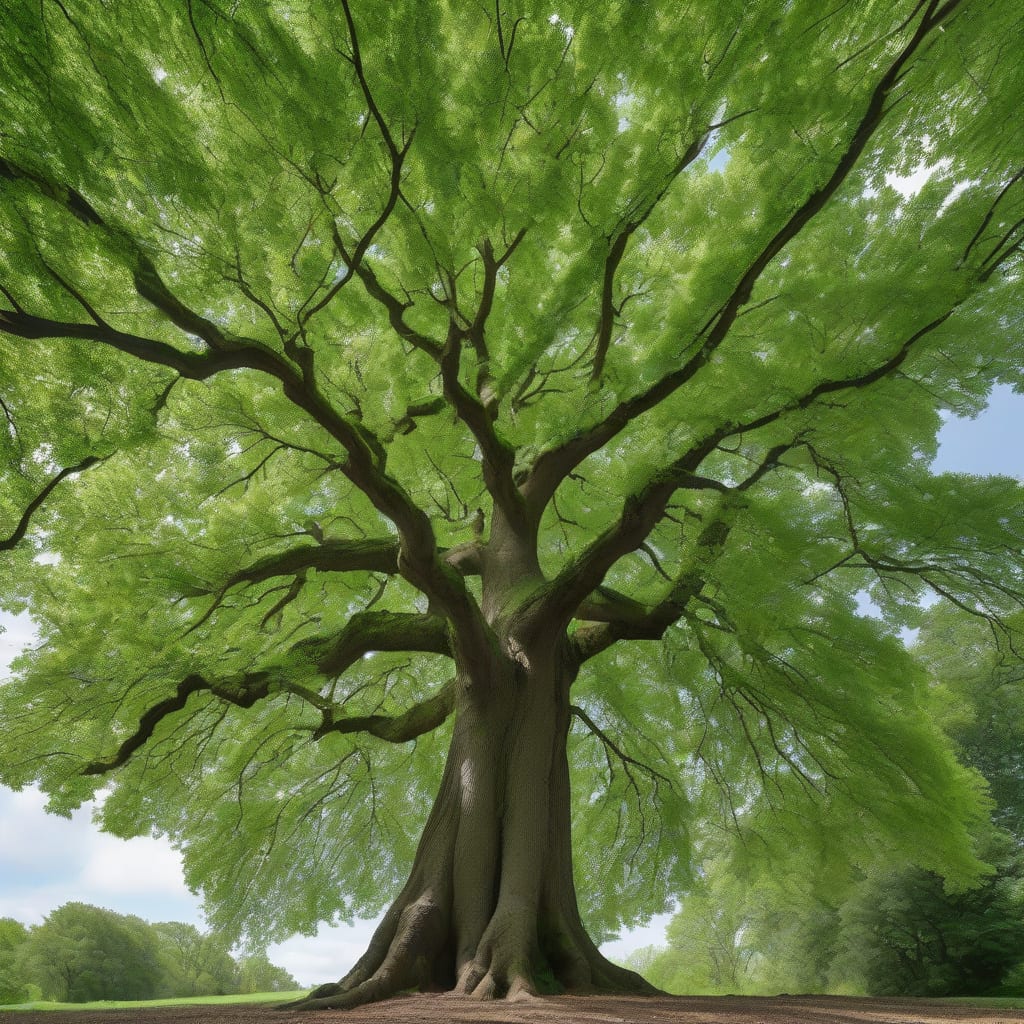
I’ve always been fascinated by the majestic Elm Tree 🌳, and one question that often comes up is about its growth potential. How tall can these beautiful trees actually grow, and what factors influence their height?
Elm Trees can reach impressive heights of 40 to 80 feet, making them a stunning addition to any landscape in USDA Zone 6. Let’s explore what affects their growth and how to care for them.

2-5 ft

5-10 ft

10-15 ft

40-80 ft
Elm trees are known for their impressive height, but several factors influence their growth. Understanding these factors is crucial for proper planning and maintenance. The height of an elm tree can be affected by its species, climate, soil quality, and maintenance practices. 🌳
Different elm tree species have varying growth potentials. For instance, the American Elm can grow taller than the English Elm. Climate conditions, such as temperature and precipitation, also play a significant role in determining the tree’s height. Soil quality, including nutrient availability and drainage, affects the tree’s ability to grow. Proper maintenance practices, like pruning and watering, can further influence the tree’s height. 🌱
Elm trees are known for their impressive height, but different species have varying growth potentials. Understanding these differences is crucial for selecting the right tree for your landscape. The American Elm and English Elm are two of the most common species, each with unique characteristics.
The American Elm is known for its potential to grow up to 100 feet tall, making it one of the tallest elm species. In contrast, the English Elm typically reaches heights of 60 to 80 feet. Other species, like the Slippery Elm, may have more modest height expectations, ranging from 50 to 70 feet. 🌳
When selecting an elm tree for your landscape, it’s essential to consider the mature height of the tree. This will help you plan for adequate space and ensure the tree has the best chance to thrive. Proper planning can also help prevent potential issues with power lines, neighboring structures, or other landscape features. 🏠
In addition to height, the growth rate of elm trees varies by species. American Elm trees are known for their fast growth rate, while English Elm trees grow at a more moderate pace. Understanding these growth patterns can help you manage your tree’s development and make informed decisions about pruning and maintenance. 🌟
Elm trees are valued not only for their height but also for their ecological benefits. They provide shade, improve air quality, and support local wildlife. By choosing the right elm species for your landscape, you can enjoy these benefits while also enhancing the beauty of your surroundings. 🌿
By understanding the maximum height potential of different elm tree species, you can make informed decisions about which tree to plant and how to care for it. Whether you’re looking for a tall shade tree or a more compact option, there’s an elm species that can meet your needs. 🌳
In conclusion, the height of an elm tree is influenced by its species, and understanding these differences is key to making the most of your landscape. By selecting the right elm tree and providing proper care, you can enjoy the many benefits these trees have to offer. 🌟
I’ve found that managing elm tree height is crucial for maintaining a beautiful and functional landscape. Proper pruning and maintenance techniques can help control the tree’s height while promoting healthy growth 🌳.
Prune your elm tree during its dormant season to minimize stress and promote healthy growth. Remove any dead or damaged branches to maintain the tree’s overall health 🌟.
When it comes to managing elm tree height, pruning is a critical technique. Pruning helps control the tree’s size, promotes healthy growth, and enhances its overall appearance. I recommend pruning your elm tree regularly to maintain its desired height and shape 🌳.
In addition to pruning, training your elm tree can also help manage its height. Training involves shaping the tree’s structure to promote a strong and balanced growth pattern. This can be achieved by removing select branches and guiding the tree’s growth 🌟.
Regular maintenance is also essential for managing elm tree height. This includes monitoring the tree’s health, addressing any issues promptly, and providing necessary care such as watering and fertilization 🌿.
By combining proper pruning, training, and maintenance techniques, you can effectively manage your elm tree’s height and enjoy a beautiful and thriving landscape 🌳.
