
Beautiful Plants For Your Interior
Beautiful Plants For Your Interior
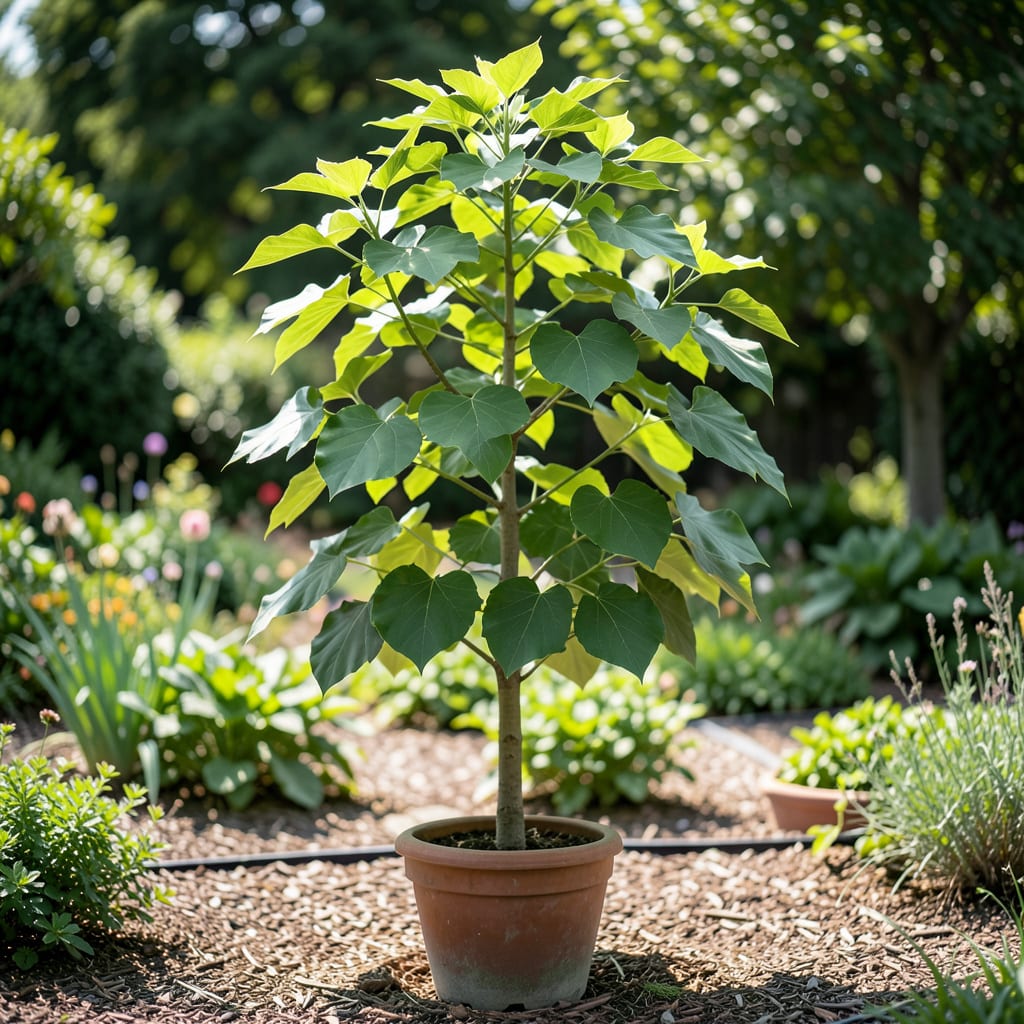
I’ve always been fascinated by the majestic Tulip Tree 🌳, known for its impressive height. These trees can grow quite tall, but understanding their growth potential is crucial for choosing the right location.
Tulip Trees can reach heights of 80-100 feet in ideal conditions, making them a stunning addition to any landscape in USDA Zone 6. Let’s explore what factors influence their growth and how to support their development.


Tulip trees are known for their impressive height, with some specimens reaching heights of 80-100 feet in ideal conditions. The maximum height potential of these trees is influenced by various factors, including soil quality, climate conditions, and maintenance practices.
The average height of a mature tulip tree typically ranges between 70-100 feet, with some exceptional trees growing even taller. Understanding these growth patterns is essential for gardeners and landscapers looking to incorporate these majestic trees into their designs 🌳.
The growth rate of tulip trees is typically 1-2 feet per year, although this can vary depending on the specific growing conditions. Factors such as soil quality, moisture levels, and sunlight exposure all play a role in determining the overall height potential of these trees.
In ideal conditions, with full sun to partial shade and well-draining soil, tulip trees can reach their maximum height potential. Regular maintenance and proper care can help support healthy growth and maximize height development.
It’s worth noting that tulip trees are considered taller than a 6-story building when they reach maturity. This impressive stature makes them a striking feature in any landscape.
As tulip trees grow, they require adequate water and nutrients to support their development. Ensuring that the soil remains moist but not waterlogged is crucial for promoting healthy growth.
Tulip trees are known for their straight trunks and columnar growth habit, which allows them to reach impressive heights while maintaining a relatively narrow profile. This makes them an excellent choice for landscapes where space may be limited.
The height potential of tulip trees can be influenced by a range of factors, including soil quality, climate conditions, and maintenance practices. By understanding these factors, gardeners and landscapers can better support the growth and development of these magnificent trees.
In conclusion, tulip trees have the potential to grow to impressive heights when given the right conditions. By providing optimal care and maintenance, these trees can thrive and become a stunning feature in any landscape 🌳.
Tulip tree height is influenced by multiple factors that gardeners and landscapers should consider when planting and maintaining these magnificent trees 🌳.
Soil quality plays a crucial role in determining tulip tree height potential. Trees growing in well-draining, fertile soil with adequate nutrient availability tend to grow taller than those in poor soil conditions.
Climate conditions also significantly impact tulip tree height. Trees growing in temperate climates with adequate moisture and moderate temperatures tend to grow taller than those in extreme environments.
Maintenance practices, such as pruning and fertilization, can also influence tulip tree height. Regular maintenance can help support healthy growth and maximize height development.
In summary, tulip tree height is influenced by a combination of soil quality, climate conditions, and maintenance practices. By understanding these factors, gardeners and landscapers can better support the growth and development of these magnificent trees 🌳.
To maximize tulip tree height, it’s essential to provide optimal growing conditions and regular maintenance. This includes ensuring adequate water and nutrients, as well as maintaining good soil health.
By following these guidelines and understanding the factors that influence tulip tree height, gardeners and landscapers can help these trees reach their full potential and become a stunning feature in any landscape 🌳.
To help tulip trees reach their maximum height potential, proper planting techniques and ongoing care are essential 🌳.
When planting tulip trees, it’s crucial to consider factors such as spacing, soil preparation, and care routines. Proper spacing allows for adequate air circulation and sunlight penetration, while well-prepared soil provides the necessary nutrients for healthy growth.
Plant tulip trees in well-draining soil with full sun to partial shade for optimal growth.
Regular maintenance is also vital for supporting healthy tulip tree growth. This includes regular watering, fertilization as needed, and pruning to maintain shape and promote vertical growth.
By following these guidelines and providing optimal care, gardeners and landscapers can help tulip trees reach their full height potential and become a stunning feature in any landscape 🌳.
Tulip trees are known for their impressive height and columnar growth habit, making them an excellent choice for landscapes where space may be limited.
In summary, proper planting techniques and ongoing care are crucial for supporting healthy tulip tree growth and maximizing height development.
Tulip trees typically grow to be between 70-100 feet tall when mature. Some exceptional specimens can even exceed this height. The average height makes them a striking feature in any landscape .
Tulip trees are known for their relatively fast growth rate, typically growing 1-2 feet per year. This rate can vary depending on factors such as soil quality, moisture levels, and sunlight exposure. Proper care can support healthy growth.
Several factors influence tulip tree height, including soil quality, climate conditions, and maintenance practices. Well-draining, fertile soil and temperate climates with adequate moisture support taller growth. Regular maintenance like pruning and fertilization also plays a role.
While tulip trees can be started in containers, they are not well-suited for long-term container growth due to their large size potential. They require ample space to grow and are generally better suited for planting directly in the ground where they have room to reach their full height potential .
