
Beautiful Plants For Your Interior
Beautiful Plants For Your Interior
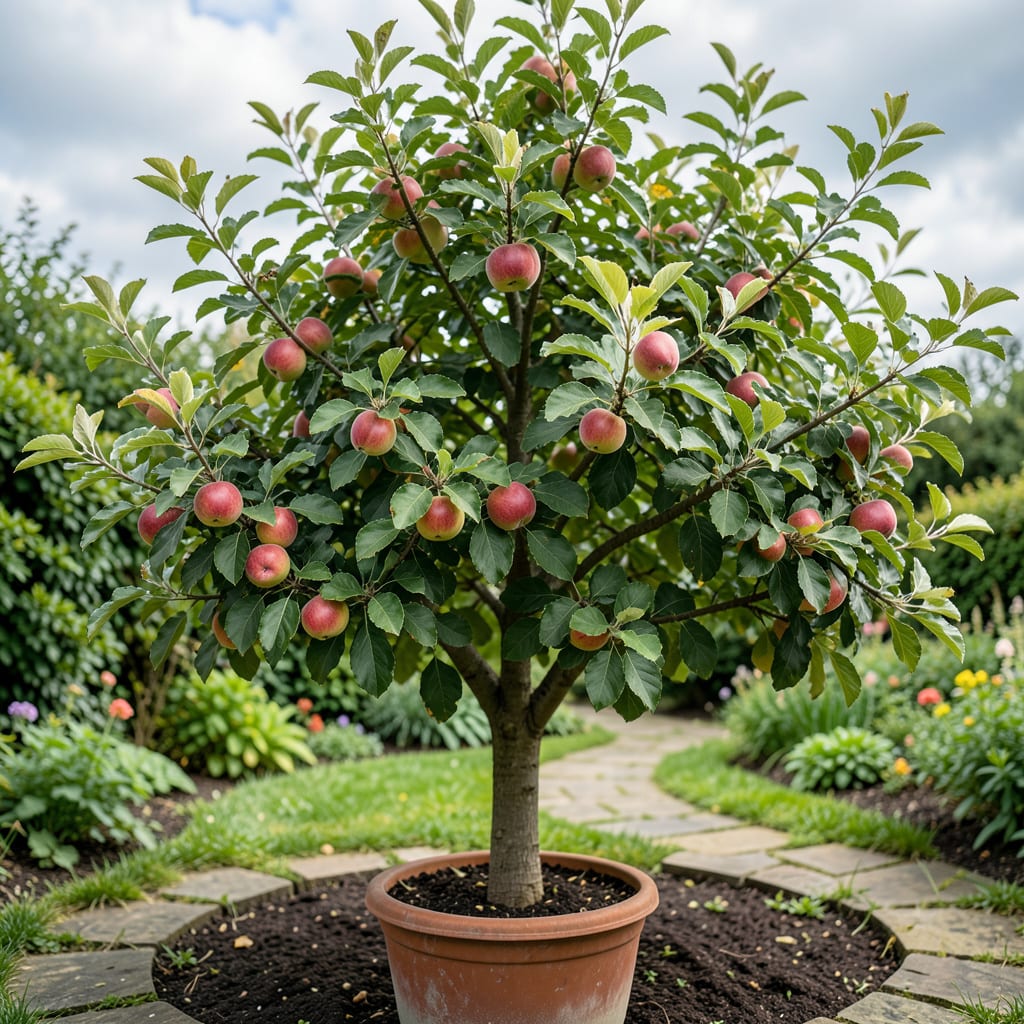
When planting a 🍑 Nectarine Tree, understanding its growth potential is crucial. In ideal conditions, these trees can grow between 12-25 feet tall, depending on factors like rootstock and pruning practices.
In USDA Zone 6a, you can expect your Nectarine Tree to reach its mature height within a few years. Proper care and pruning will help you achieve the desired shape and size for optimal fruit production.


When I first planted my nectarine tree, I quickly learned that height isn’t random. Several key factors drive how tall the tree becomes, and knowing them lets you plan space, support structures, and harvest expectations. Let’s explore each element in detail. 🌱
The rootstock selection you choose sets the tree’s ultimate size. Dwarfing rootstock keeps trees under 12 feet, while semi‑dwarf varieties reach 12‑18 ft. Standard rootstock can push height to 18‑25 ft, matching a single‑story house.
Soil quality directly influences root development and vertical growth. Aim for a pH between 6.0‑6.5 and incorporate plenty of organic matter to improve drainage and nutrient availability. Compacted or waterlogged soils stunt height and encourage disease.
Climate determines how quickly a nectarine tree can reach its mature stature. In my USDA zone 6a garden, cool springs delay early growth, but warm summers promote rapid vertical expansion. Adequate winter chill and a longer growing season are essential for fruit set and overall vigor.
Pruning is the most effective tool for height control. I prune during late winter, removing excessive canes and shortening the central leader to encourage fruiting spurs. Consistent height control prevents a lanky canopy and improves light penetration. ✂️
Watering schedule impacts both fruit size and tree height. Provide a deep soak once a week, ensuring the root zone stays moist especially during dry periods. Over‑watering can lead to shallow roots and reduced vertical growth.
Sunlight exposure is non‑negotiable for tall, healthy trees. Nectarines need full sun—at least 6+ hours of direct light daily. Insufficient light results in weak, leggy growth and reduces photosynthesis, limiting height and fruit quality.
A balanced 10‑10‑10 fertilizer applied in early spring fuels vigorous shoots. I avoid high nitrogen in late summer, which can cause excessive vegetative growth at the expense of fruit. Proper application timing supports steady height increase and promotes root health.
Spacing and training shape the tree’s final height. Plant trees 15‑20 ft apart to allow canopy expansion. Use a central leader system and stake young trunks to
Nectarine trees come in different varieties, each with its own growth characteristics. Understanding these differences helps you choose the right tree for your space and care for it effectively. The height of a nectarine tree is a crucial factor in determining its overall health and fruit production 🌳.
The average height of a nectarine tree varies significantly based on the rootstock. Dwarf varieties typically grow between 8-12 feet tall, making them ideal for smaller gardens or containers. Semi-dwarf trees reach heights of 12-18 feet, offering a balance between size and fruit production. Standard nectarine trees can grow much taller, reaching heights of 18-25 feet or more 🌲.
These trees are perfect for small spaces, growing 8-12 feet tall. They are ideal for container gardening or small backyard orchards.
Semi-dwarf trees offer a good compromise, growing 12-18 feet tall. They provide a moderate size while still producing a substantial amount of fruit.
Standard nectarine trees are the largest, growing up to 18-25 feet tall. They require more space but can produce a large quantity of fruit.
The maximum height a nectarine tree can achieve is largely influenced by factors such as soil quality, climate, and pruning practices. In optimal conditions, with proper care and maintenance, nectarine trees can reach their full height potential. Regular pruning is essential to maintain the desired height and promote healthy growth ✂️.
Nectarine trees generally follow a moderate growth rate, especially during their early years. Young trees can grow 1-2 feet per year, gradually slowing down as they mature. This growth pattern is typical for many fruit trees and is influenced by the tree’s variety and growing conditions 📈.
To summarize, the height of a nectarine tree is determined by its variety and growing conditions. By understanding these factors and providing appropriate care, you can help your nectarine tree reach its optimal height and enjoy a bountiful harvest 🌟.
Pruning is a crucial technique for managing nectarine tree size while maintaining fruit production. Proper pruning helps control height, promotes healthy growth, and improves fruit quality ✂️.
I start by understanding the tree’s growth pattern. Nectarine trees produce fruit on one-year-old wood and fruiting spurs. Pruning focuses on maintaining a balance between new growth and fruiting wood.
Start by removing any dead, diseased, or damaged branches to prevent the spread of disease and encourage healthy growth.
Thin out the center of the tree to allow better light penetration and air circulation, which helps reduce disease risk and promotes even fruit ripening.
Shorten the central leader to control the tree’s height and encourage a balanced structure. This also helps in managing the overall size of the tree 🌳.
Prune lateral branches to maintain a desirable shape and promote fruiting. Cut back branches to outward-facing buds to encourage an open structure 🌟.
Pruning should be done annually during the dormant season, typically in late winter. This timing helps minimize stress on the tree and allows for quick healing before the growing season begins 🌟.
By following these pruning steps, you can effectively manage the size of your nectarine tree, ensuring it remains healthy and productive for years to come 🌳.
Nectarine trees can grow between 8-25 feet tall, depending on the variety. Dwarf varieties reach 8-12 feet, semi-dwarf trees grow to 12-18 feet, and standard trees can reach 18-25 feet or more. The height is largely influenced by the rootstock and growing conditions.
Nectarine trees generally have a moderate growth rate, especially during their early years. Young trees can grow 1-2 feet per year, gradually slowing down as they mature. Proper care, including regular watering and fertilization, supports healthy growth.
Yes, you can control the height of your nectarine tree through pruning. Pruning during the dormant season helps maintain the desired height and promotes a balanced structure. Regular pruning also encourages fruiting and improves overall tree health.
The rootstock plays a significant role in determining the height of a nectarine tree. Dwarfing rootstock keeps trees smaller, while standard rootstock allows for taller growth. Choosing the right rootstock helps you manage the tree’s size according to your garden space.
