
Beautiful Plants For Your Interior
Beautiful Plants For Your Interior
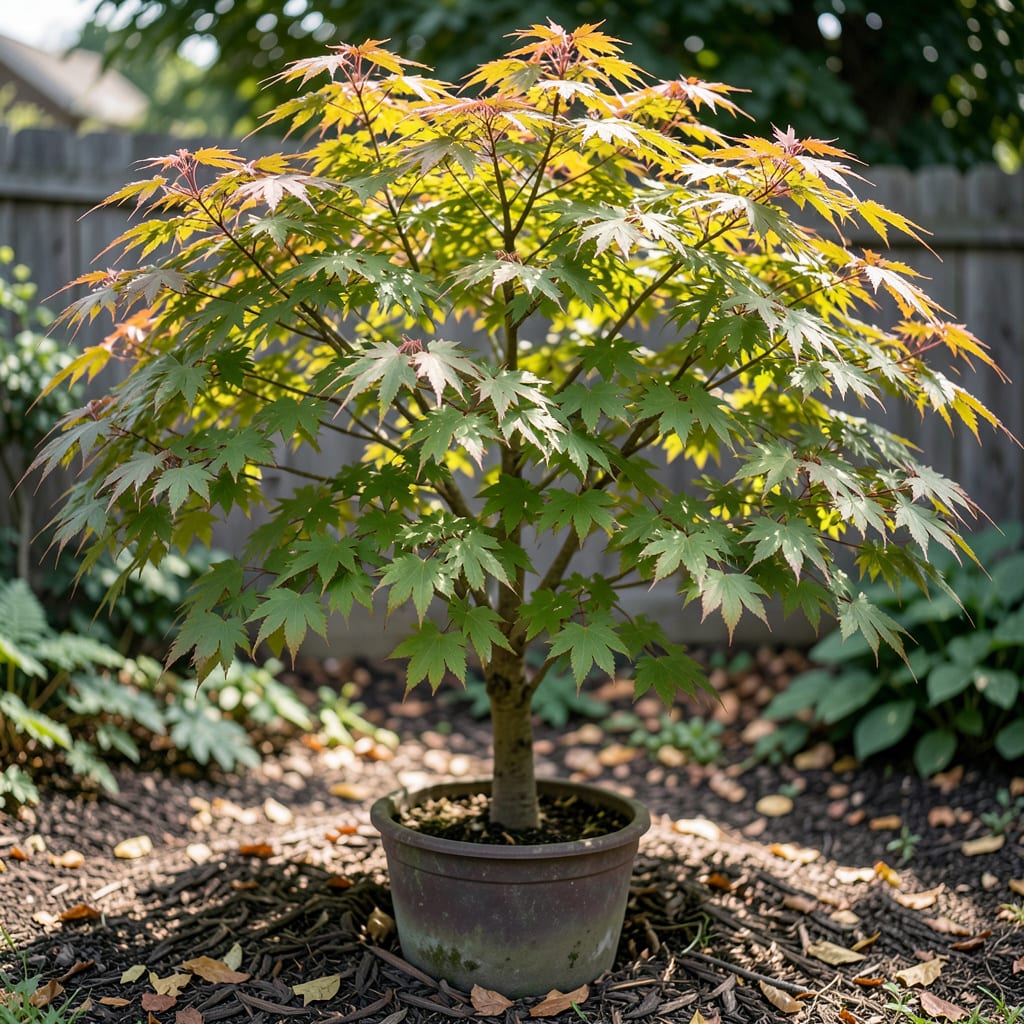
I’ve always been fascinated by the elegant growth habits of Japanese Maple 🌳 trees. Understanding their potential height is crucial for proper garden planning, especially when considering their stunning foliage and varying growth rates.
Japanese Maple trees can grow to varying heights depending on the cultivar, with some reaching 15-25 feet at maturity, while dwarf varieties top out at 6-10 feet. Let’s explore the factors that influence their size and how to care for them.


When considering how tall a Japanese maple tree will grow, several key factors come into play. The variety of the tree is perhaps the most significant determinant, as different cultivars have been bred to achieve specific heights and growth habits. For instance, dwarf varieties like ‘Red Pygmy’ typically reach heights of 6-10 feet, while standard varieties can grow much taller 🌳.
Understanding these factors is crucial for garden planning and tree care. Let’s examine the primary influences on Japanese maple height: variety, growing conditions, and maintenance practices.
The variety of Japanese maple is a primary factor in determining its mature height. Dwarf varieties typically grow between 6-10 feet tall, while semi-dwarf varieties are slightly taller at 10-15 feet. Standard Japanese maples can reach heights of 15-25 feet when mature 🌲.
Growing conditions also play a crucial role in determining the height of a Japanese maple. Soil quality is essential; trees grown in well-draining, nutrient-rich soil tend to grow more vigorously than those in poor soil conditions. Sunlight exposure is another critical factor; while Japanese maples can tolerate some sun, they generally prefer partial shade, especially in warmer climates 🌞.
Water availability affects growth as well. Consistent moisture promotes healthy growth, but Japanese maples are sensitive to drought and waterlogged conditions. Proper maintenance practices, including regular pruning and fertilization, can help control the tree’s size and promote overall health 🌱.
Pruning is particularly important for managing the size of Japanese maples. Regular pruning helps maintain the desired shape and size, encourages healthy growth, and removes any dead or diseased branches. It’s best to prune in late winter or early spring before new growth begins ✂️.
Fertilization is another key aspect of Japanese maple care. Using a balanced fertilizer in early spring can provide necessary nutrients for healthy growth. However, it’s essential to avoid over-fertilizing, as this can lead to excessive growth and potentially weaken the tree’s structure 🌿.
In summary, the height of a Japanese maple tree is influenced by a combination of its variety, growing conditions, and maintenance practices. By understanding and managing these factors, gardeners can help their Japanese maples achieve their full potential while maintaining a desired size and shape 🌳.
For more specific guidance on caring for your Japanese maple, including detailed pruning techniques and fertilization tips, consider consulting additional resources or a local horticultural expert.
Japanese maple trees come in a variety of cultivars, each with its own growth characteristics. The height of these trees can vary significantly depending on the specific variety 🌳.
Understanding the average height range for different Japanese maple varieties is essential for garden planning and tree selection. Let’s explore the typical mature heights of popular cultivars.
The dwarf varieties of Japanese maple, such as ‘Red Pygmy’ and ‘Compactum’, typically grow between 6-10 feet tall. These compact trees are ideal for smaller gardens or container planting 🌿.
Semi-dwarf varieties offer a moderate size, reaching heights of 10-15 feet. They provide a balance between compact growth and the characteristic beauty of Japanese maples 🌸.
Standard varieties, like ‘Acer palmatum’, can grow much taller, reaching heights of 15-25 feet at maturity. These larger trees make a significant statement in any landscape 🌳.
When selecting a Japanese maple variety, it’s essential to consider the mature height to ensure it fits within your garden’s space and design 🌱.
Factors such as soil quality, sunlight exposure, and maintenance practices can also influence the actual height achieved by the tree 🌞.
By understanding the typical height range for different Japanese maple varieties, gardeners can make informed decisions when choosing trees for their landscape 🌳.
To effectively manage the size of your Japanese maple tree, understanding proper pruning techniques is essential. Regular pruning not only helps control the tree’s height but also promotes healthy growth and maintains its aesthetic appeal 🌳.
Prune your Japanese maple in late winter or early spring before new growth begins to maintain shape and promote healthy growth.
The best time to prune Japanese maples is during their dormant season, typically in late winter or early spring. This timing helps minimize stress on the tree and allows for a clear view of its structure ✂️.
When pruning, focus on removing any dead, diseased, or damaged branches. This not only improves the tree’s appearance but also prevents the spread of disease and encourages healthy growth 🌱.
To control the height of your Japanese maple, you can selectively prune the upper branches. However, be cautious not to over-prune, as this can stress the tree and lead to undesirable growth patterns 🌲.
In addition to pruning, proper care practices play a significant role in managing your Japanese maple’s size. Ensure your tree receives adequate water and is planted in well-draining soil 💧.
Fertilization is another crucial aspect of Japanese maple care. Using a balanced fertilizer in early spring provides necessary nutrients for healthy growth without promoting excessive size 🌿.
By combining regular pruning with proper care practices, you can effectively manage the size of your Japanese maple tree and maintain its beauty in your garden 🌸.
For more detailed guidance on pruning and caring for your Japanese maple, consider consulting additional resources or a local horticultural expert for personalized advice.
Japanese maple trees are generally slow to moderate growers, typically adding 1-2 feet of height per year. Their growth rate can be influenced by factors such as soil quality, sunlight, and watering conditions. With proper care, they can reach their mature height within 10-20 years. Proper maintenance helps maintain their health and desired size .
Yes, you can manage the height of your Japanese maple through regular pruning. Prune in late winter or early spring to maintain shape and promote healthy growth. Focus on removing dead, diseased, or damaged branches, and selectively prune upper branches to control height. Be cautious not to over-prune, as this can stress the tree .
Japanese maple varieties come in different sizes: dwarf varieties grow 6-10 feet tall, semi-dwarf varieties reach 10-15 feet, and standard varieties can grow 15-25 feet tall. Choosing the right variety depends on your garden’s space and design .
The mature height of a Japanese maple is influenced by its variety, growing conditions (such as soil quality and sunlight), and maintenance practices (like pruning and fertilization). Well-draining soil, partial shade, and consistent moisture promote healthy growth, while regular pruning helps maintain desired size .
