
Beautiful Plants For Your Interior
Beautiful Plants For Your Interior
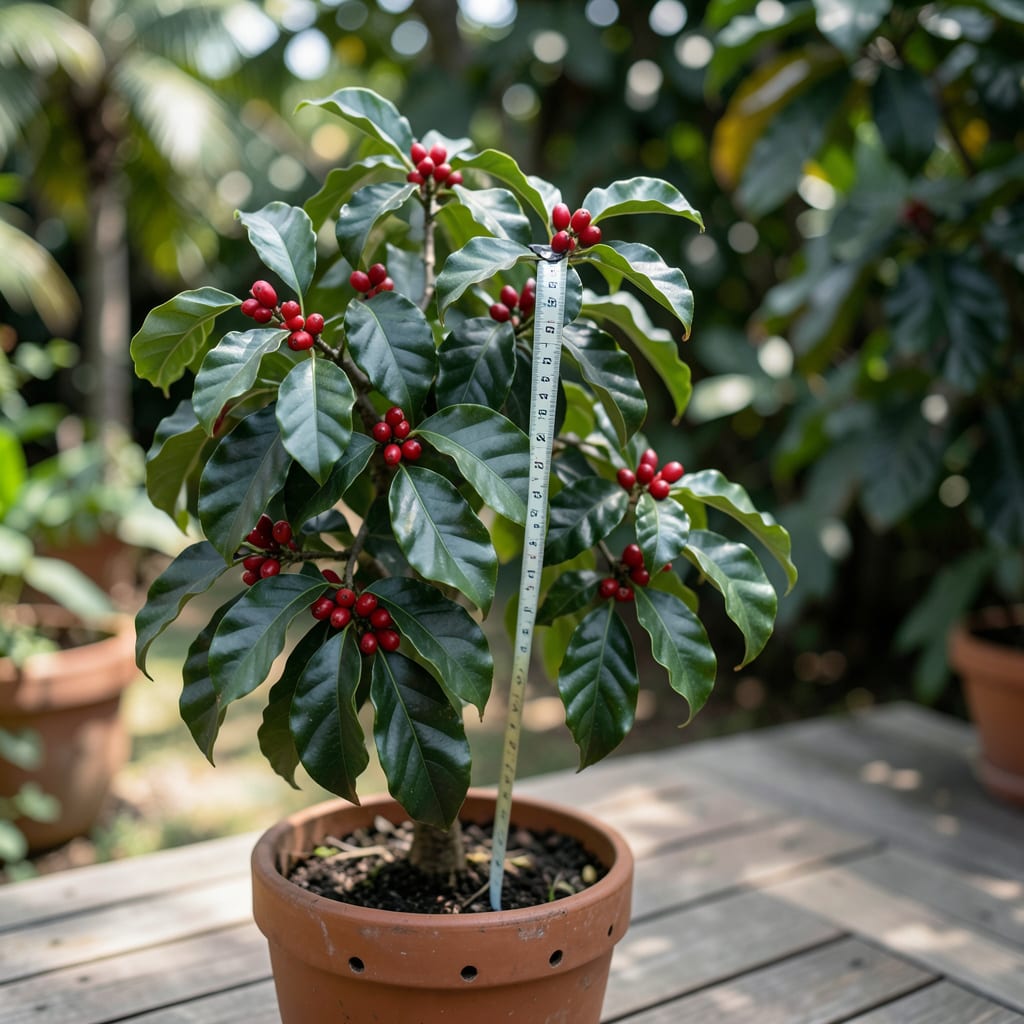
Coffee plants ☕️ can transform your garden into a tropical paradise, but have you ever wondered how tall they can actually grow? Understanding their growth patterns is crucial for successful cultivation, especially in USDA Zone 10 where they thrive year-round.
Let’s explore what influences their height and how you can promote optimal growth. With proper care, your Coffee Plant can reach its full potential, creating a stunning addition to your garden or indoor space.


Coffee plants can grow to varying heights depending on several factors, including the specific variety, growing conditions, and care practices. Understanding these factors is essential for managing your coffee plant’s height effectively.
The average height of a mature coffee plant ranges from 10 to 15 feet, but some varieties can grow taller or remain more compact. Factors such as soil quality, light exposure, and pruning practices play a significant role in determining the plant’s ultimate height 🌿.
Coffee plants typically grow 1 to 2 feet per year, with their height influenced by factors such as nutrient availability and watering practices. Proper care can help achieve optimal growth and maintain a healthy plant.
The variety of coffee plant significantly affects its height. Dwarf varieties, for example, are bred to remain more compact, typically growing between 5 to 8 feet tall, making them ideal for smaller spaces or container gardening.
Light exposure is another critical factor influencing coffee plant height. Plants grown in partial shade tend to grow more evenly and may reach a more manageable height compared to those in full sun 🌞.
Understanding these factors helps in planning and managing the growth of your coffee plants effectively. By providing the right conditions and care, you can promote healthy growth and enjoy the benefits of your coffee plant.
Coffee plants are evergreen and can continue to grow year-round in suitable climates. Their growth is influenced by temperature, humidity, and nutrient availability, making it essential to maintain optimal growing conditions.
Regular pruning is a crucial practice for managing coffee plant height. Pruning helps maintain a desired shape and encourages healthy growth by removing dead or diseased branches.
In addition to pruning, training your coffee plant can help control its height. Techniques such as topping and lateral pruning can be used to manage the plant’s size and promote a more compact growth habit.
By understanding the factors that influence coffee plant height and implementing appropriate care practices, you can enjoy a thriving and well-managed coffee plant in your garden or indoor space.
For more detailed information on managing coffee plant height, including specific pruning and training techniques, continue reading the next section.
Effective management of coffee plant height not only enhances the plant’s appearance but also contributes to its overall health and productivity. Proper care ensures that your coffee plant remains a beautiful and productive addition to your garden ☕️.
Coffee plants require regular maintenance to control their height and promote healthy growth. Effective pruning and training techniques are essential for managing coffee plant height and ensuring optimal productivity 🌿.
Pruning is a critical practice that helps maintain the desired shape of your coffee plant. By removing dead or diseased branches, you encourage healthy growth and prevent the spread of disease. Regular pruning also helps control the plant’s height, making it more manageable for harvesting and maintenance 🔥.
Start by removing any dead or diseased branches to prevent the spread of disease and encourage healthy growth.
Thin out dense areas of the plant to improve air circulation and allow more light to reach inner branches.
Shape the plant by cutting back overgrown branches to maintain a desired height and promote a balanced structure.
In addition to pruning, training your coffee plant is crucial for controlling its height. Techniques such as topping and lateral pruning can be used to manage the plant’s size and promote a more compact growth habit 🌟.
Topping involves cutting off the top of the main stem to encourage branching and control vertical growth. This technique helps create a more bushy plant with a manageable height.
Lateral pruning involves removing or trimming lateral branches to direct the plant’s energy towards producing fruiting branches. This technique helps maintain a balanced structure and promotes healthy fruit production.
By combining regular pruning with effective training techniques, you can manage your coffee plant’s height and enjoy a thriving, productive plant in your garden or indoor space ☕️.
Regular maintenance not only enhances the appearance of your coffee plant but also contributes to its overall health and productivity. Proper care ensures that your coffee plant remains a beautiful and productive addition to your garden.
For more information on optimizing growing conditions for your coffee plant, including tips on light, temperature, and watering practices, continue reading the next section.
Coffee plants require specific growing conditions to thrive and reach their full height potential. Understanding these environmental factors is crucial for successful cultivation ☕️.
Light exposure is a critical factor in coffee plant growth. While they can tolerate some direct sunlight, coffee plants generally prefer partial shade, especially in warmer climates. Providing 4-6 hours of indirect sunlight per day is ideal for promoting healthy growth 🌞.
Coffee plants are sensitive to extreme temperatures. Maintaining a consistent temperature between 65°F to 75°F (18°C to 24°C) is ideal for optimal growth.
Temperature is another vital factor influencing coffee plant growth. They are sensitive to extreme temperatures, and maintaining a consistent temperature between 65°F to 75°F (18°C to 24°C) is ideal for optimal growth ❄️.
Soil quality significantly impacts coffee plant health and height. Using well-draining acidic soil with a pH between 5.5 and 6.5 helps promote healthy root development and nutrient uptake 🌿.
Watering practices also play a crucial role in coffee plant growth. Coffee plants require consistent moisture, especially when they’re producing fruit. Watering them weekly during the growing season helps maintain optimal soil conditions 💧.
By optimizing these growing conditions, you can promote healthy growth and help your coffee plant reach its full height potential. Proper care ensures that your coffee plant remains a beautiful and productive addition to your garden.
For more detailed information on coffee plant care and maintenance, including tips on pruning and training, refer to the previous sections. Effective care practices will help you enjoy a thriving coffee plant in your garden or indoor space ☕️.
Coffee plants typically grow between 10 to 15 feet tall, but some varieties can be more compact or grow taller depending on factors like soil quality and pruning practices. Dwarf varieties usually remain between 5 to 8 feet tall. Proper care can help achieve optimal growth.
Coffee plants generally grow 1 to 2 feet per year. Their growth rate is influenced by factors such as nutrient availability, watering practices, and light exposure. Providing optimal conditions can help maintain a healthy growth rate.
Yes, you can manage your coffee plant’s height through regular pruning and training techniques. Pruning helps maintain a desired shape and encourages healthy growth, while techniques like topping and lateral pruning can control the plant’s size and promote a compact growth habit.
Coffee plants thrive in partial shade with 4-6 hours of indirect sunlight per day, consistent moisture, and temperatures between 65°F to 75°F (18°C to 24°C). They also require well-draining acidic soil with a pH between 5.5 and 6.5 for optimal growth.
