
Beautiful Plants For Your Interior
Beautiful Plants For Your Interior
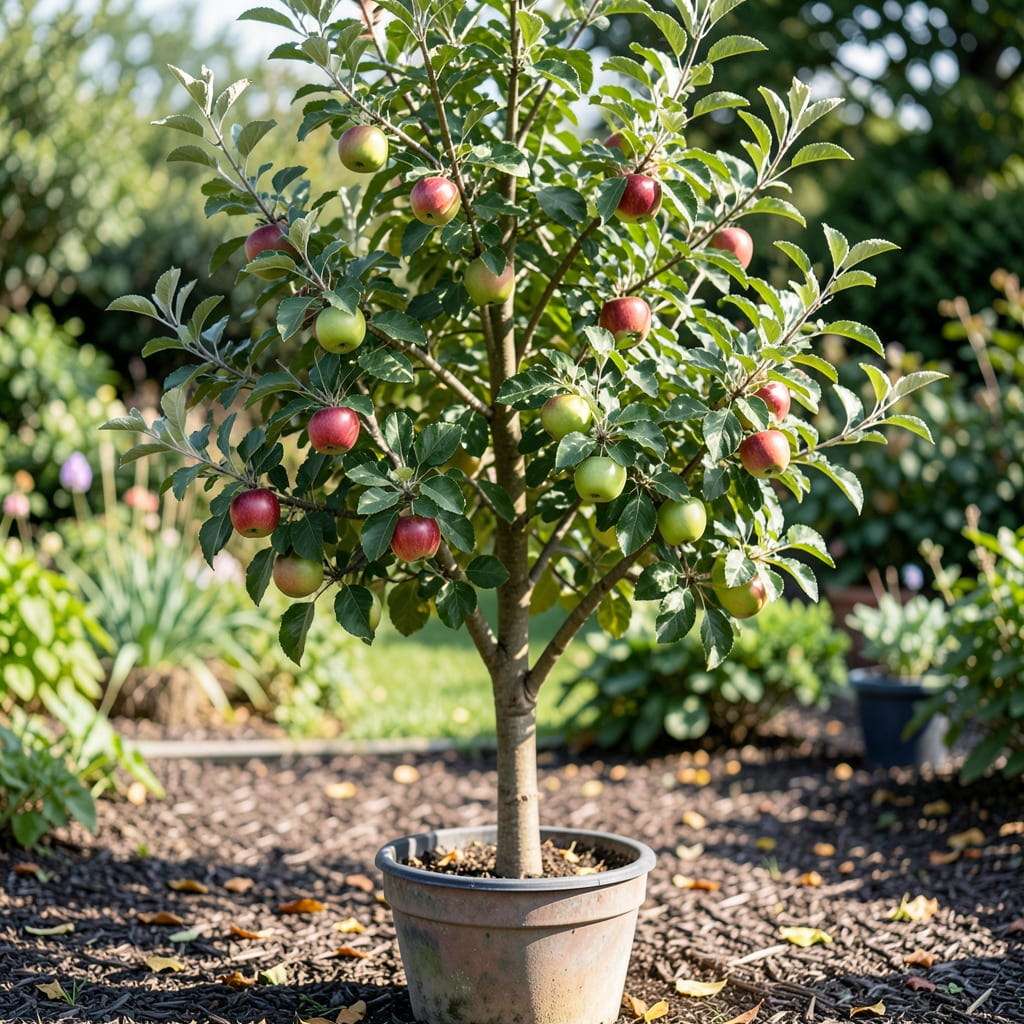
When planting an Apple Tree 🍎, understanding its growth potential is crucial. The height of these trees varies significantly based on factors like rootstock and variety.
In General areas like USDA Zone 6, Apple Trees can grow between 8-30 feet tall. Let’s explore the factors that influence their height and how to manage their growth effectively.


Apple trees can grow to varying heights depending on several key factors. The rootstock plays a crucial role in determining the mature height of the tree.
The variety of apple tree also significantly impacts its growth potential. Different varieties have different inherent growth habits that affect their height.
The climate and growing conditions also play a significant role in apple tree height growth. Apple trees generally thrive in USDA Zone 6 and require full sun to grow well.
Soil quality is another critical factor, as it affects nutrient availability and drainage. Apple trees prefer well-draining soil with a balanced nutrient profile.
Understanding these factors helps in selecting the right tree for specific growing conditions and managing its growth effectively. Proper care and maintenance can optimize the tree’s height and fruit production 🌳.
The rootstock of an apple tree is a critical factor in determining its mature height. Different rootstocks are available, ranging from dwarfing to standard varieties.
Dwarf rootstocks typically result in trees that grow between 8-12 feet tall. These are ideal for smaller spaces and easier management.
Semi-dwarf rootstocks produce trees that grow between 12-18 feet tall. These offer a balance between size control and fruit production.
Standard rootstocks allow trees to reach their full potential height, often between 20-30 feet or more. These are suitable for larger spaces and can provide substantial shade and fruit yield 🌲.
By understanding the impact of rootstock and other growth factors, gardeners can make informed decisions when planting apple trees. This knowledge helps in achieving the desired tree size and optimizing fruit production.
Effective management of apple tree height involves various techniques. Pruning is a crucial practice that helps control the tree’s size and shape.
Regular pruning also promotes healthy growth and improves fruit production. By removing dead or diseased branches, the tree can focus its energy on producing quality fruit.
Training methods like espaliering or central leader training can also help manage the tree’s height and structure. These techniques involve guiding the tree’s growth pattern to achieve the desired shape and size.
Proper maintenance is essential for sustaining the health and productivity of the apple tree. This includes regular inspections for pests and diseases, as well as appropriate fertilization and watering practices.
By combining these techniques, gardeners can effectively manage their apple trees’ height and ensure optimal growth and fruit production 🌼.
Selecting the right apple tree variety based on mature height is crucial for successful cultivation. Different varieties offer different growth characteristics.
Dwarf varieties are ideal for small gardens or containers. They typically grow between 8-12 feet tall and are easier to manage.
Semi-dwarf varieties offer a compromise between size and fruit production. They grow between 12-18 feet tall and are suitable for medium-sized gardens.
Standard varieties are the largest, growing up to 20-30 feet or more. They are best suited for large orchards or spacious gardens.
Choosing the right variety based on available space and desired height ensures that the tree thrives and produces abundant fruit. Proper planning and selection are key to a successful apple tree cultivation experience 🍎.
Effective management of apple tree height is crucial for maintaining a healthy and productive tree. Proper pruning techniques play a vital role in controlling the tree’s size and shape.
Regular pruning not only helps manage the tree’s height but also promotes healthy growth and improves fruit production. By removing dead or diseased branches, the tree can focus its energy on producing quality fruit.
Prune annually to maintain desired height and promote fruiting.
Use techniques like espaliering or central leader training to guide growth.
Inspect regularly for pests and diseases, and maintain proper fertilization and watering practices.
By implementing these management techniques, gardeners can effectively control their apple trees’ height and ensure optimal growth and fruit production 🌳.
Pruning should be done during the tree’s dormant season to minimize stress and promote healthy regrowth. It’s essential to use the right tools and techniques to avoid damaging the tree.
Training methods like espaliering involve training the tree to grow against a wall or trellis, which can help control its height and improve fruit production.
Regular maintenance is also crucial for sustaining the health and productivity of the apple tree. This includes monitoring for signs of disease or pest infestations and taking appropriate action when necessary.
By combining pruning, training, and regular maintenance, gardeners can enjoy a bountiful harvest from their apple trees while keeping them at a manageable height 🌼.
When selecting an apple tree variety, understanding its mature height is crucial for proper garden planning. The height of an apple tree can significantly impact its placement and management in your garden.
Different apple tree varieties offer different growth characteristics. The main categories are dwarf, semi-dwarf, and standard varieties.
Choosing the right apple tree variety based on available space and desired height ensures that the tree thrives and produces abundant fruit. Proper planning and selection are key to a successful apple tree cultivation experience 🍎.
Dwarf varieties are ideal for small gardens or containers. They are easier to manage and maintain, making them perfect for urban gardeners or those with limited space.
Semi-dwarf varieties offer a compromise between size and fruit production. They are suitable for medium-sized gardens and provide a good balance between manageability and yield.
Standard varieties are the largest and are best suited for large orchards or spacious gardens. They can provide substantial shade and fruit yield, making them ideal for those with ample space 🌳.
By understanding the growth characteristics of different apple tree varieties, gardeners can make informed decisions when selecting trees for their gardens. This knowledge helps in achieving the desired tree size and optimizing fruit production.
Apple trees can grow to varying heights depending on the rootstock and variety. On average, a standard apple tree can grow between 20-30 feet tall, while dwarf and semi-dwarf varieties typically reach heights of 8-18 feet. Proper pruning and training can help manage the tree’s height.
The time it takes for an apple tree to reach its full height depends on factors like the rootstock, variety, and growing conditions. Generally, it can take 5-10 years for an apple tree to reach its mature height. Dwarf varieties tend to grow faster and reach their maximum height sooner than standard varieties.
Yes, you can control the height of your apple tree through regular pruning and training methods like espaliering or central leader training. Pruning during the dormant season helps maintain the desired height and promotes healthy growth. Proper maintenance is key to keeping your tree at a manageable height.
The rootstock plays a crucial role in determining the mature height of an apple tree. Dwarf rootstocks result in trees that grow between 8-12 feet tall, while semi-dwarf rootstocks produce trees that grow between 12-18 feet tall. Standard rootstocks allow trees to reach their full potential height, often between 20-30 feet or more.
