
Beautiful Plants For Your Interior
Beautiful Plants For Your Interior
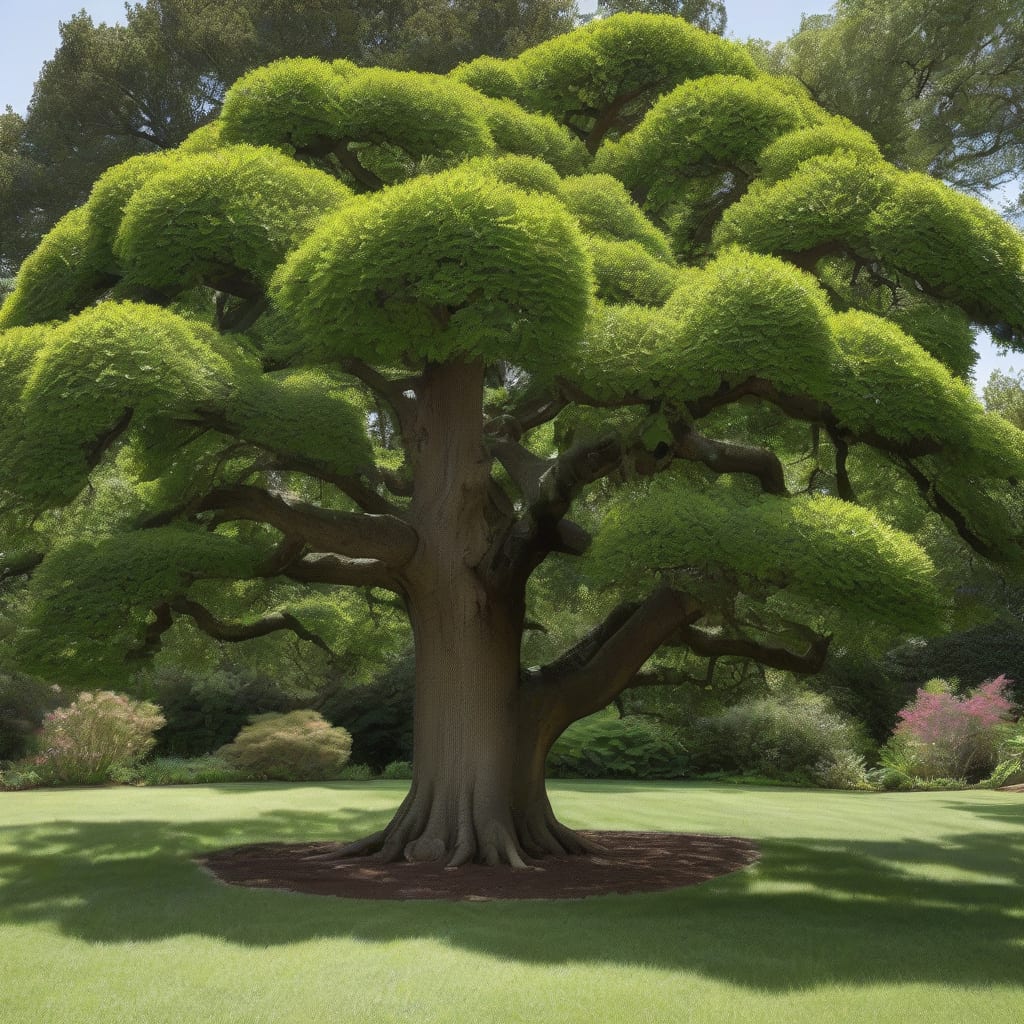
I’ve always been fascinated by the towering presence of trees 🌳 in our landscapes. Some species can reach astonishing heights, becoming nature’s skyscrapers. Understanding what determines a Tree’s maximum height can help us appreciate these natural wonders.
The height a Tree can grow depends on various factors, including genetics, climate, and soil conditions in locations like General, USDA Zone 6. Let’s explore these factors and learn how to promote healthy growth in our Trees.

I’ve always been fascinated by the factors that determine how tall a tree can grow. The height of a tree is influenced by a combination of genetic, environmental, and nutritional factors 🌳.
The maximum height a tree can achieve is largely determined by its species and genetic makeup. Different tree species have varying growth potentials, with some naturally growing taller than others.
The climate plays a significant role in determining tree height. Factors such as temperature, rainfall, and sunlight exposure can either promote or limit growth. Trees growing in favorable climates with ample moisture and optimal temperatures tend to grow taller 🌟.
Soil quality is another critical factor. Trees require well-draining soil that is rich in essential nutrients. Poor soil conditions can limit root development and, consequently, affect the tree’s overall height.
Water availability is vital for tree growth. Trees need consistent moisture, especially during their early growth stages. Drought conditions can stunt growth and prevent trees from reaching their full height potential.
Sunlight is essential for photosynthesis, the process by which trees produce energy. Trees growing in open areas with plenty of sunlight tend to grow taller than those in shaded environments 🌞.
In addition to these factors, competition among trees can influence height. In dense forests, trees often compete for light and resources, leading to taller growth as they strive to reach the canopy.
Understanding these factors helps us appreciate the complexity of tree growth and the various elements that contribute to a tree’s maximum height 🌲.
By recognizing the importance of genetics, climate, soil quality, water availability, and sunlight, we can better manage and care for our trees, ensuring they reach their full potential.
Each of these factors plays a crucial role in determining how tall a tree can grow, and by optimizing these conditions, we can promote healthy and vigorous tree growth 🌱.
In conclusion, the height a tree can achieve is the result of a complex interplay between various biological and environmental factors. By understanding and managing these factors, we can support the growth of tall, healthy trees 🌳.
I’ve always been amazed by trees that achieve exceptional heights, becoming nature’s skyscrapers 🌳. These record-breakers inspire awe and provide valuable insights into the factors that contribute to remarkable tree growth.
The tallest known trees in the world are primarily found in regions with favorable climates and optimal growing conditions. Let’s explore some of these incredible specimens and the conditions that allowed them to thrive.
A coast redwood (Sequoia sempervirens) standing at 380.1 feet (115.6 meters) tall, found in Redwood National Park, California 🌲.
Another coast redwood measuring 379.3 feet (115.6 meters) in height, also located in Redwood National Park 🏞️.
Other exceptionally tall trees include mountain ash and eucalyptus species found in Australia and Tasmania 🌟.
These trees demonstrate the incredible potential for height in certain species when grown in ideal conditions. Factors such as ample moisture, rich soil, and adequate sunlight contribute to their remarkable growth 🌟.
By studying these record-breaking trees, we can gain a deeper appreciation for the natural world and the conditions that support extraordinary growth 🌲.
These examples show us that with the right combination of factors, trees can achieve truly remarkable heights, becoming living giants in our natural landscapes 🌳.
The study of exceptionally tall trees not only inspires wonder but also provides valuable insights into forest ecology and the importance of preserving these natural wonders 🌟.
As a gardener or landowner, managing tree height is crucial for maintaining a safe and aesthetically pleasing landscape 🌳. Proper tree maintenance not only enhances the beauty of your property but also ensures the health and longevity of your trees.
One effective way to manage tree height is through regular pruning. Pruning helps control the size and shape of trees, promoting healthy growth and preventing potential hazards like overhanging branches or structural damage 🔧.
When pruning, make clean cuts just outside the branch collar to promote healing and minimize disease risk. Remove any dead, diseased, or damaged branches to maintain tree health 🌟.
Selecting the right tree species for your landscape is another key factor in managing tree height 🌲. Some trees naturally grow taller than others, so choosing a species that fits your space and maintenance capabilities is essential.
Regular maintenance practices, such as inspecting trees for signs of disease or damage and addressing issues promptly, can also help manage tree height and overall health 🌿.
By combining these strategies—regular pruning, appropriate species selection, and ongoing maintenance—you can effectively manage tree height and enjoy the many benefits that trees bring to your property 🌳.
Proper tree management not only enhances your landscape’s beauty but also contributes to a safer and more sustainable environment 🌟.
