
Beautiful Plants For Your Interior
Beautiful Plants For Your Interior
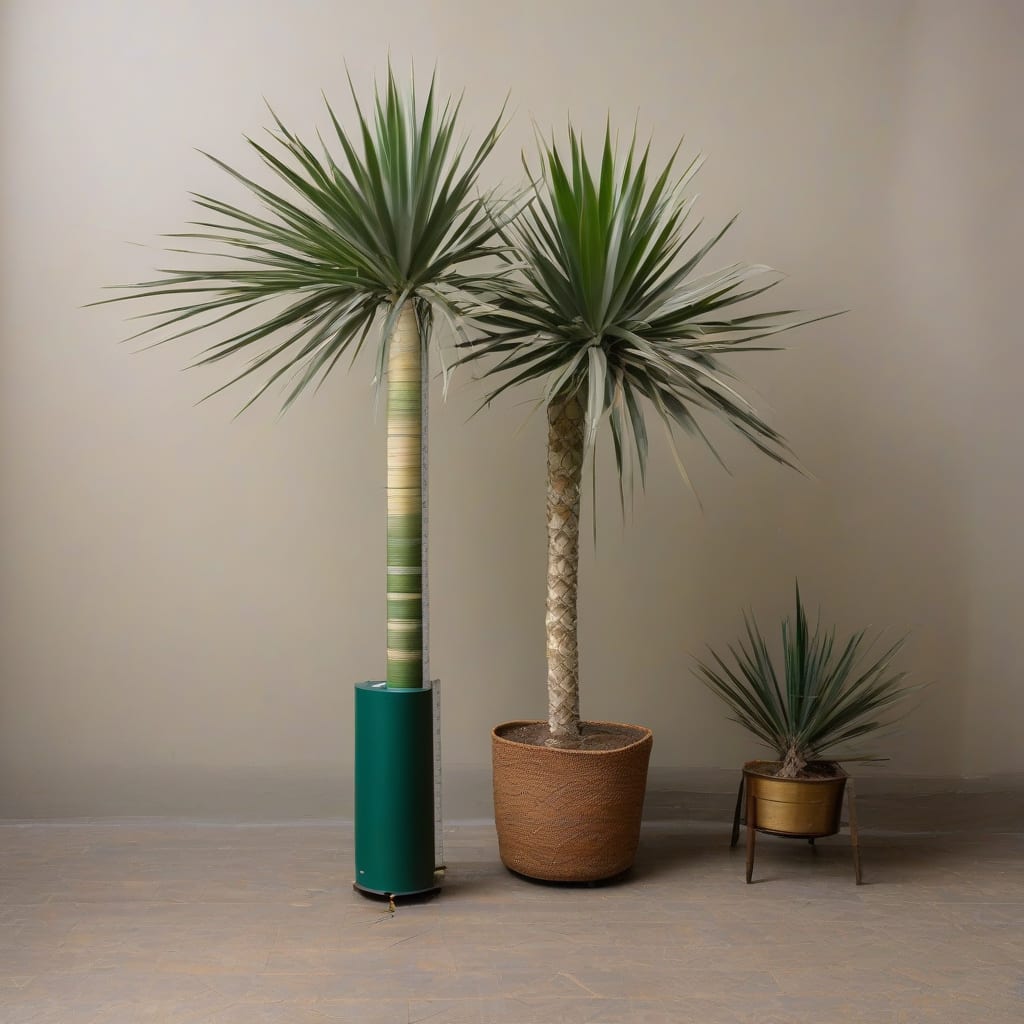
When I first planted my Yucca 🌵 in USDA Zone 6, I wondered how tall it would grow. Understanding the growth potential of these architectural plants is crucial for choosing the right variety for your space.
Yucca plants can grow anywhere from 3 to 15 feet tall, depending on the variety and growing conditions. Let’s explore what affects their height and how to manage their growth.

Yucca plants come in a variety of shapes and sizes, ranging from compact varieties that stay relatively small to tall tree types that can reach impressive heights. Understanding the maximum height of different yucca species is essential for garden planning and plant selection.
The height of yucca plants can vary significantly depending on the specific variety. Some compact varieties are perfect for container gardens or small spaces, while others can grow into dramatic landscape features.
When selecting a yucca variety, it’s crucial to consider the mature height to ensure it fits your landscape design. Compact varieties like Yucca filamentosa are ideal for smaller gardens or container planting, while taller species like Yucca brevifolia make dramatic focal points in larger landscapes.
The growth habit of yucca plants also affects their overall height. Some varieties grow in clumping forms, while others develop into single-trunked trees. This growth pattern influences both their maximum height and their landscape impact.
Understanding these height variations helps gardeners choose the right yucca for their specific needs, whether they’re looking for a dramatic statement piece or a more subtle addition to their garden.
Different yucca species have adapted to various environments, from desert landscapes to more temperate regions. This adaptability contributes to their varying growth heights and habits.
For gardeners in USDA Zone 6, where yucca plants are often grown, selecting varieties that are well-suited to the local climate is essential for achieving optimal growth and maximum height.
By considering both the variety and growing conditions, gardeners can better predict and manage the height of their yucca plants, ensuring they thrive in their chosen location.
Proper care and maintenance also play a role in helping yucca plants reach their full height potential. Factors such as soil quality, sunlight, and watering practices all contribute to healthy growth.
Regular monitoring of the plant’s growth allows gardeners to make informed decisions about pruning or training to maintain the desired height and shape.
In conclusion, the height of yucca plants varies widely among different species, and understanding these variations is key to successful gardening with these versatile plants 🌵.
When growing yucca plants, understanding the factors that influence their height is crucial for achieving optimal growth. Several key elements affect how tall these plants can grow, including growing conditions, climate, and care practices.
The environment in which yucca plants are grown significantly impacts their ultimate height. Factors such as soil quality, sunlight exposure, and watering practices all play critical roles in determining the maximum height a yucca plant can achieve.
Yucca plants grown in optimal conditions with full sun and well-draining soil are more likely to reach their maximum height potential.
Climate is another crucial factor that affects yucca plant height. Yucca plants are native to regions with hot, dry climates, and they thrive in conditions that mimic their natural habitat. In areas with milder temperatures and adequate moisture, yucca plants tend to grow more vigorously.
Care practices, such as pruning and fertilization, also influence yucca plant height. Regular pruning can help control the height of yucca plants, while balanced fertilization during the growing season can promote healthy growth.
It’s essential to note that different yucca species have varying levels of tolerance to different growing conditions. Understanding the specific needs of your yucca variety is key to optimizing its growth.
For gardeners in USDA Zone 6, where yucca plants are commonly grown, being aware of the local climate and soil conditions is vital for achieving optimal growth and maximum height.
By carefully managing the factors that affect yucca plant height, gardeners can help their plants reach their full potential and enjoy the dramatic architectural presence these plants bring to gardens 🌵.
When it comes to managing the height of yucca plants, pruning and maintenance are crucial. Proper care can help control the plant’s height while promoting healthy growth. Let’s explore some practical tips for managing yucca plant height.
Remove dead or damaged leaves to maintain plant health and appearance. Prune flower stalks after blooming to encourage new growth 🌿.
One effective way to manage yucca plant height is through pruning. Pruning not only helps control the plant’s size but also encourages new growth. When pruning yucca plants, it’s essential to remove any dead or damaged leaves to maintain the plant’s health and appearance.
Another important aspect of managing yucca plant height is container size. For yucca plants grown in containers, the size of the pot can influence the plant’s overall height. Using a larger container can provide more room for root growth, potentially leading to a taller plant.
Ongoing care also plays a significant role in managing yucca plant height. Ensuring that your yucca plant receives adequate sunlight and proper watering can promote healthy growth. Yucca plants thrive in full sun and well-draining soil, making these conditions ideal for achieving optimal height.
By combining these pruning techniques with proper care and maintenance, you can effectively manage the height of your yucca plants. Regular monitoring and adjustments to your care routine will help keep your yucca plants healthy and thriving 🌵.
