
Beautiful Plants For Your Interior
Beautiful Plants For Your Interior
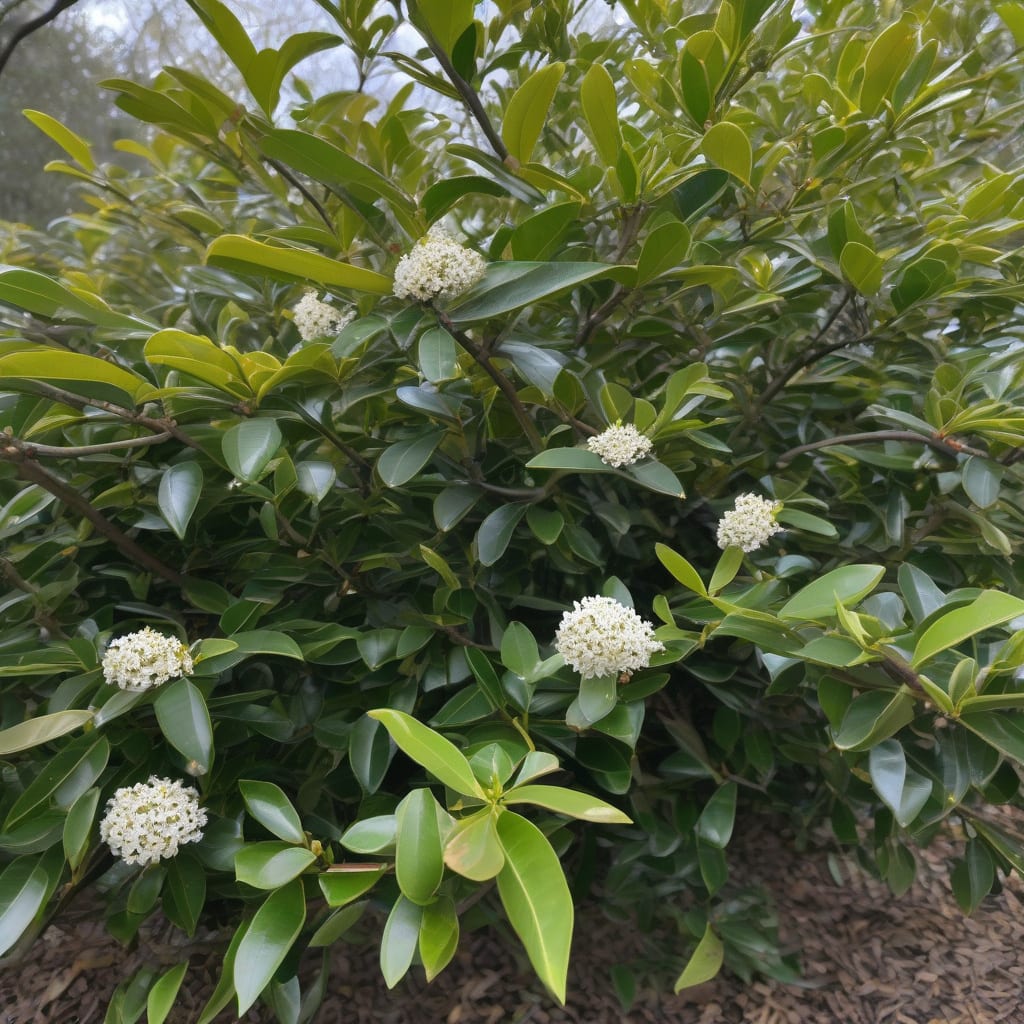
I’ve always been fascinated by Tea Olives 🌿 – their fragrant blooms and versatility make them a favorite among gardeners. But one question I get asked frequently is about their growth potential.
Tea Olives can grow between 6 to 20 feet tall, depending on factors like soil quality and pruning practices. Let’s explore what influences their height and how you can manage their growth for optimal results.


Tea olives (Osmanthus fragrans) are known for their versatility in landscaping, and their height can vary significantly based on several factors. Generally, these plants can grow between 6 to 20 feet tall.
The mature height of tea olives is influenced by factors such as soil quality, climate conditions, and pruning practices. Understanding these elements is crucial for gardeners to plan their landscape effectively 🌿.
The height of tea olives can be influenced by their growth rate, which is typically 1-2 feet per year under optimal conditions. Regularly pruning your tea olives can help maintain a desired height and promote a fuller shape.
To achieve the best results, it’s essential to consider the specific growing conditions and needs of your tea olives. Factors such as soil drainage, sunlight exposure, and watering practices all play a role in determining the plant’s mature height.
Tea olives are adaptable to various environments, but they generally thrive in USDA zones 6-10. In colder zones, they may require additional care to protect them from frost.
When planting tea olives, choosing the right location is key. They prefer full sun to partial shade and well-draining soil. Proper spacing is also important to allow for their mature size 🌿.
Regular maintenance, including pruning and fertilization, can significantly impact the growth and height of tea olives. Pruning helps control their size and shape, while fertilization provides necessary nutrients for healthy growth.
It’s also worth noting that tea olives can be used in various landscaping designs, from hedges and screens to specimen plants. Their versatility makes them a popular choice among gardeners.
In summary, while tea olives can grow between 6 to 20 feet tall, their actual height will depend on the care they receive and the conditions in which they are grown. With proper care, these plants can be a beautiful and fragrant addition to any garden 🌿.
For more specific guidance on managing the height of your tea olives, including pruning techniques and training methods, continue reading the next sections of this guide.
I’ve found that several factors can significantly impact the growth height of tea olives. Understanding these elements is crucial for gardeners to manage their landscape effectively 🌿.
The height of tea olives is influenced by various environmental conditions and care practices. Let’s explore some of the key factors that can affect their mature height.
Soil quality, sunlight exposure, watering practices, and pruning techniques all play a role in determining the mature height of tea olives.
Soil quality is a critical factor in determining the height of tea olives. They prefer well-draining soil with a slightly acidic to neutral pH. Poor soil conditions can limit their growth potential.
Sunlight exposure also plays a significant role in the growth of tea olives. They thrive in full sun to partial shade, with at least 6 hours of direct sunlight per day. Insufficient sunlight can result in weaker growth.
Watering practices are another important consideration. Tea olives prefer consistent moisture, especially during their first year of growth. However, they can tolerate some drought once established.
Pruning techniques can significantly impact the height of tea olives. Regular pruning can help maintain a desired height and promote a fuller shape. It’s best to prune in late winter or early spring before new growth begins.
By understanding and managing these factors, gardeners can optimize the growth of their tea olives and achieve their desired landscape design 🌿.
For more specific guidance on pruning techniques and training methods, continue reading the next sections of this guide.
I always emphasize proper pruning and training when it comes to managing tea olive height. These techniques are essential for maintaining the desired shape and size of your plants 🌿.
Pruning tea olives requires careful consideration of timing and technique. The best time to prune is in late winter or early spring, before new growth begins. This allows you to shape the plant effectively and promote healthy growth.
Start by removing any dead, diseased, or damaged branches to maintain plant health and appearance.
Selectively remove branches from dense areas to improve air circulation and light penetration.
Carefully trim branches to achieve your desired shape while maintaining the plant’s natural form.
Training your tea olives is equally important for height management. You can use techniques like espaliering or topiary to create unique shapes and control the plant’s height.
Regular maintenance is key to successful height management. By combining proper pruning and training techniques, you can keep your tea olives healthy and looking their best 🌿.
For more detailed information on tea olive care and maintenance, be sure to check out our other resources on Osmanthus fragrans.
