
Beautiful Plants For Your Interior
Beautiful Plants For Your Interior
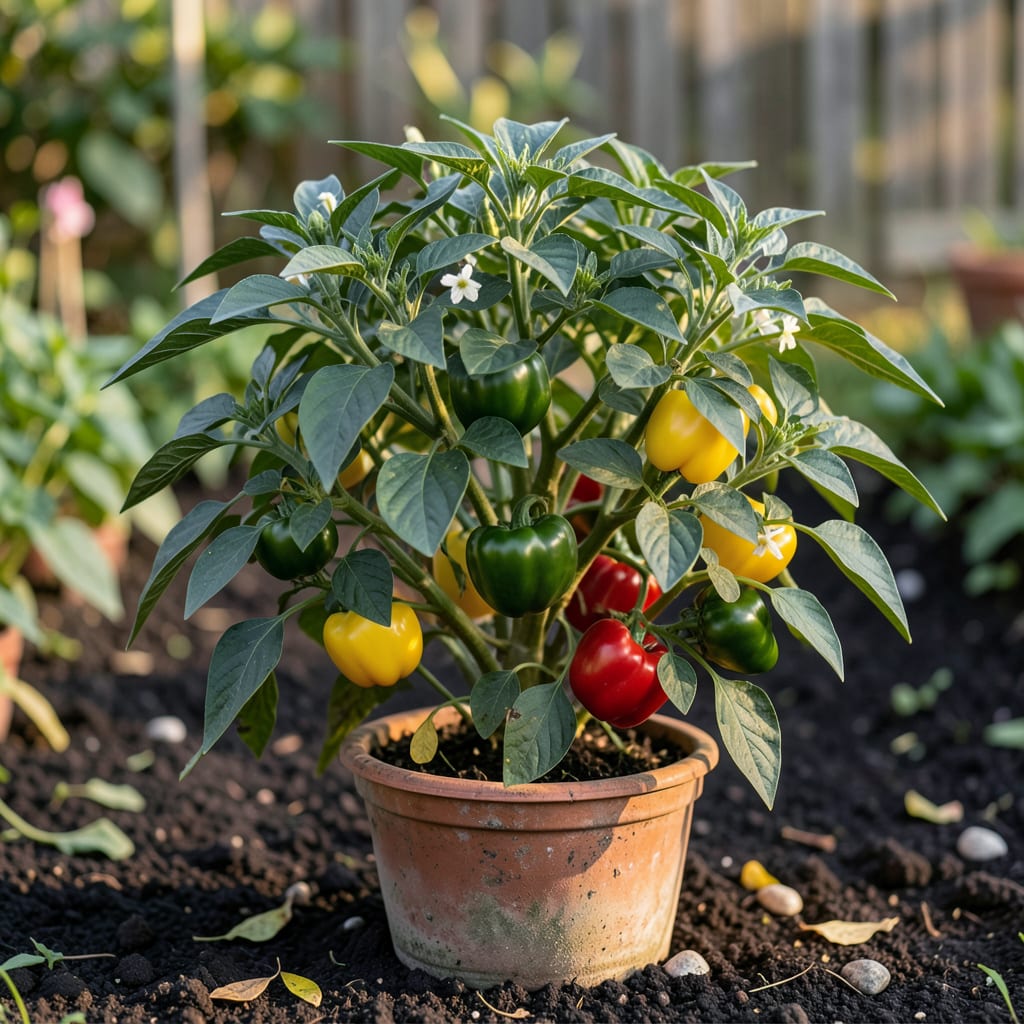
Growing Red Pepper 🌶️ plants can be a rewarding experience, but have you ever wondered how tall they‘ll actually grow? In USDA zone 6a, these plants can reach impressive heights, making it essential to plan your garden space effectively.
Understanding the growth patterns of Red Pepper plants is crucial for maximizing yield and providing proper support. Let’s dive into what you can expect and how to make the most of your harvest season.

Red pepper plants are known for their vibrant color and versatile use in cooking, but their growth habits can vary significantly based on several factors. Understanding these factors is essential for gardeners to plan their space effectively and maximize their yield 🌶️.
The height of red pepper plants can range from 2 to 4 feet, depending on the variety and growing conditions. Factors such as soil quality, sunlight exposure, and pruning practices play a crucial role in determining the final height of the plants.
The Dwarf varieties are ideal for container gardening or small spaces, while Standard varieties are better suited for larger gardens or areas where the plants can receive ample support. It’s also worth noting that red pepper plants are typically upright growers, meaning they can benefit from staking to prevent them from becoming too leggy or top-heavy with fruit.
Soil quality is another critical factor that influences the height of red pepper plants. Soil that is rich in organic matter and has good drainage can support healthier plant growth, leading to taller plants. Additionally, adequate sunlight is essential; red pepper plants require full sun to produce well, so choosing a location that receives at least 6 hours of direct sunlight per day is recommended 🌞.
Pruning is a practice that can also affect the height and overall shape of red pepper plants. By removing the first few sets of flowers, you can encourage the plant to focus its energy on developing a stronger root system and more robust growth, potentially leading to a taller, more productive plant.
In summary, while the typical height range for red pepper plants is between 2 to 4 feet, the actual height achieved can vary based on the variety and growing conditions. By selecting the right variety for your space and providing optimal growing conditions, you can enjoy a bountiful harvest of delicious red peppers 🌟.
For gardeners looking to maximize their yield, understanding the specific needs of their red pepper plants is key. This includes not only providing the right growing conditions but also being mindful of the plant’s potential height and how to support it effectively.
By following these guidelines and tips, gardeners can ensure their red pepper plants reach their full potential, both in terms of height and productivity. Whether you’re growing in containers or in a larger garden bed, with the right care, your red pepper plants can thrive and provide a generous harvest 🌿.
Red pepper plants are not only a great addition to any garden but also a rewarding crop to grow. With their relatively compact growth habit and high yield potential, they can be a great choice for gardeners of all experience levels.
When growing red pepper plants, understanding how to support their height is crucial for maximizing yield and preventing damage. Tall red pepper plants can become top-heavy with fruit, making them prone to bending or breaking. Proper support not only keeps plants upright but also promotes better air circulation and healthier growth 🌿.
There are several methods to support tall red pepper plants effectively. One common approach is using stakes, which can be made of wood, bamboo, or metal. Stakes should be placed near the plant at the time of planting or shortly after, to avoid damaging the roots later 🌱.
Place stakes near the plant base, being careful not to damage roots. For multiple stakes, space them 2-3 inches from the stem.
Use soft ties like garden twine or Velcro strips to gently secure the plant to the stake. Check and adjust ties regularly as the plant grows.
Prune the plant to encourage a stronger, more manageable structure. Remove unnecessary branches and weak growth to direct the plant’s energy towards fruit production.
Another effective method is using cages, which provide support from all sides and are particularly useful for indeterminate varieties. Tomato cages or pepper cages can be used, offering a sturdy structure for the plants to grow through and around 🌼.
Pruning techniques also play a significant role in managing the height and health of red pepper plants. By removing the first few sets of flowers, you can encourage the plant to focus its energy on developing a stronger root system and more robust growth. Regular pruning helps maintain the plant’s shape and promotes better fruiting 🍅.
For gardeners growing red peppers in containers, it’s essential to choose a container that is deep enough to accommodate the plant’s root system and provides adequate support. A container with a minimum depth of 12 inches is recommended, along with using stakes or cages as needed 🌿.
By implementing these support methods and pruning techniques, gardeners can ensure their red pepper plants remain healthy and productive throughout the growing season. Proper support not only prevents physical damage but also contributes to a more bountiful harvest, making the effort well worth it 🌟.
Supporting tall red pepper plants is a straightforward process that requires some planning and attention to detail. With the right techniques and a bit of care, gardeners can enjoy a successful and rewarding growing experience 🌟.
Creating optimal growing conditions is essential for healthy red pepper plants that reach their full height potential. Factors such as soil preparation, watering schedules, and pest management play a critical role in determining the overall health and productivity of the plants 🌿.
For optimal growth, ensure your red pepper plants receive full sun and are planted in well-draining soil rich in organic matter. Regular watering and fertilization are also crucial for maximizing yield.
Soil preparation is a foundational step in creating an optimal growing environment. Red pepper plants thrive in soil that is rich in organic matter and has good drainage. Amending the soil with compost or well-rotted manure can significantly improve its fertility and structure, supporting healthier plant growth 🌱.
Watering schedules should be consistent to keep the soil evenly moist. Red pepper plants require regular watering, especially during dry spells. However, it’s essential to avoid overwatering, which can lead to root rot and other issues. A general rule is to water deeply once or twice a week, depending on weather conditions ☁️.
Pest management is another critical aspect of maintaining healthy red pepper plants. Common pests include aphids, spider mites, and pepper weevils. Regular monitoring and using organic pest control methods can help mitigate these issues. Encouraging beneficial insects like ladybugs and lacewings can also aid in pest control 🐜.
In addition to these factors, mulching around the plants can help retain soil moisture, suppress weeds, and regulate soil temperature. Organic mulches like straw or bark chips are effective options 🌼.
By focusing on these key areas, gardeners can create an optimal growing environment for their red pepper plants. This holistic approach not only supports the plants in reaching their full height potential but also promotes overall health and productivity, leading to a more bountiful harvest 🌟.
Optimizing growing conditions is an ongoing process that requires attention to detail and a commitment to providing the best possible care for your plants. With the right strategies in place, you can enjoy a successful and rewarding growing experience 🌿.
Healthy red pepper plants are the foundation of a productive garden. By understanding and implementing these optimization techniques, gardeners can look forward to a generous harvest of delicious, homegrown red peppers 🍅.
Red pepper plants typically grow between 2 to 4 feet tall, depending on the variety and growing conditions. Dwarf varieties usually reach 2-2.5 feet, while standard varieties can grow up to 3-4 feet tall. Proper support can help them reach their full potential .
You can support tall red pepper plants using stakes or cages. Stakes should be placed near the plant base, and soft ties like garden twine can secure the plant. Cages provide support from all sides and are ideal for indeterminate varieties. Regular pruning also helps maintain a manageable structure .
Several factors influence the height of red pepper plants, including soil quality, sunlight exposure, and pruning practices. Soil rich in organic matter and good drainage supports healthier growth. Red pepper plants require full sun and consistent watering to thrive .
Yes, you can grow red pepper plants in containers. Choose a container with a minimum depth of 12 inches to accommodate the root system. Use stakes or cages for support, and ensure the soil is well-draining and rich in organic matter. Regular watering and fertilization are crucial for container-grown plants .
