
Beautiful Plants For Your Interior
Beautiful Plants For Your Interior
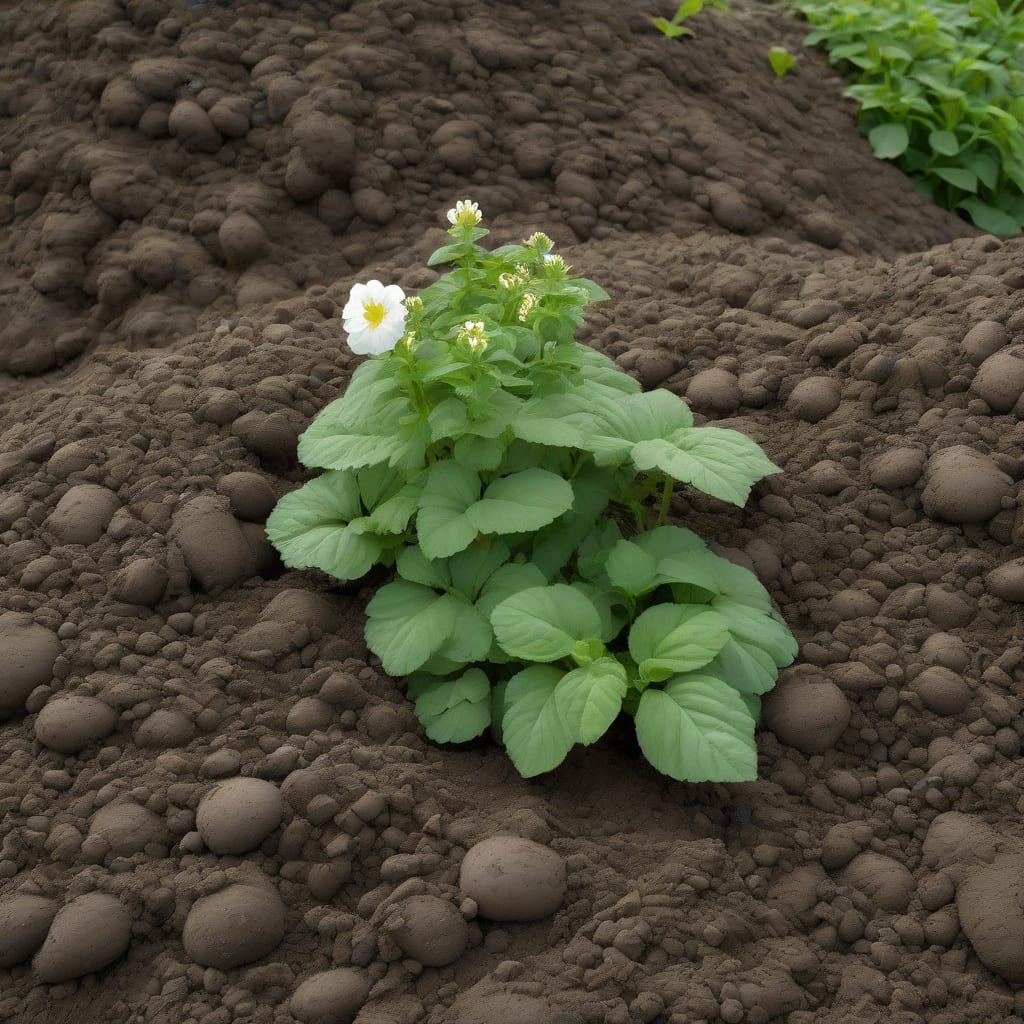
Growing potatoes 🥔 can be a rewarding experience, but have you ever wondered how tall they‘ll actually grow? Understanding potato plant height is key to maximizing your harvest, whether you’re a seasoned gardener or just starting out.
Potato plants typically grow between 1-2 feet tall, reaching knee-high as they mature. Proper care and support can help you make the most of your potato crop in USDA Zone 6.

Understanding potato plant height is crucial for maximizing your harvest. Potato plants typically grow between 1-2 feet tall, reaching knee-high as they mature. The height of potato plants can vary depending on factors such as variety, soil quality, and climate conditions. 🌱
Potato plants generally reach their maximum height within 60-90 days after planting. Proper care and support can help you make the most of your potato crop. Factors like sunlight, watering, and soil nutrients play a significant role in determining the height and overall health of your potato plants.
The height of potato plants is influenced by several key factors, including the variety of potato, soil quality, and climate conditions. Understanding these factors can help you optimize growing conditions for your potato plants. Proper hilling and spacing are essential for promoting healthy growth and maximizing yields.
Potato plants require full sun to partial shade and consistent moisture to grow well. Ensuring your plants receive adequate sunlight and water is crucial for their development. The soil should be well-draining and rich in organic matter to support healthy tuber formation.
By understanding the growth habits of potato plants, you can better manage your garden to achieve a bountiful harvest. Monitoring your plants’ height and adjusting your care routine as needed can help you maximize your yield and enjoy a successful growing season. 🌾
In USDA Zone 6, potato plants typically thrive in early spring or late summer plantings. Being aware of the last frost date and first frost date can help you plan your planting schedule effectively. This knowledge ensures that your potato plants have the best chance to grow and mature before the onset of extreme weather conditions.
Overall, understanding how tall potatoes grow and the factors that influence their height can significantly impact your gardening success. By providing optimal growing conditions and proper care, you can enjoy a healthy and productive potato harvest. 🥔
Managing potato plant height is crucial for achieving better yields. Proper techniques can help control plant height and promote healthy tuber formation. By understanding how to manage potato plant height, you can maximize your harvest and enjoy a successful growing season 🌾.
One effective method for managing potato plant height is through hilling. Hilling involves adding soil or mulch around the base of the plants as they grow, covering the lower stems and leaving only a few leaves exposed. This technique encourages the plants to produce more tubers and helps to control their height.
Start hilling when plants are 6-8 inches tall. Add 2-3 inches of soil or mulch around the base.
Repeat the hilling process every 1-2 weeks as the plants continue to grow.
Stop hilling when the plants start to flower or when the stems begin to yellow.
In addition to hilling, proper spacing is essential for managing potato plant height. Planting seed potatoes 12 inches apart within rows and 3 feet between rows allows for good air circulation and sunlight penetration, which can help control plant height and promote healthy growth.
Soil management also plays a significant role in managing potato plant height. Ensuring the soil is well-draining and rich in organic matter can support healthy tuber formation and overall plant growth. Regularly checking soil moisture and adjusting watering accordingly can help maintain optimal growing conditions.
By implementing these techniques, you can effectively manage potato plant height and achieve a bountiful harvest. Monitoring your plants’ height and adjusting your care routine as needed can help you maximize your yield and enjoy a successful growing season 🌿.
Proper management of potato plant height not only improves yields but also helps in preventing diseases. By controlling the height and promoting healthy growth, you can reduce the risk of diseases that thrive in moist, shaded conditions.
Overall, managing potato plant height is a critical aspect of successful potato cultivation. By following these practical tips, you can enjoy a healthy and productive potato harvest 🥔.
Potato plants come in various types, each with its unique growth habits and heights. Understanding these variations is essential for choosing the right variety for your garden and optimizing growing conditions. Different potato varieties can grow to different heights, ranging from 1-2 feet tall.
When selecting a potato variety, consider factors such as maturity days, growth habit, and disease resistance. This will help you choose a variety that suits your gardening needs and preferences.
By understanding the different growth habits of potato varieties, you can better plan your garden layout and provide the necessary care for optimal growth. Whether you prefer compact varieties for small spaces or more vigorous types for larger gardens, there’s a potato variety to suit your needs 🌿.
In USDA Zone 6, it’s essential to choose varieties that mature within the growing season. Early season and determinate varieties are often good choices for this region, as they can mature before the onset of extreme weather conditions.
Overall, understanding the variations in potato plant height can help you make informed decisions when planning your garden. By selecting the right variety and providing optimal growing conditions, you can enjoy a successful and productive potato harvest 🥔.
