
Beautiful Plants For Your Interior
Beautiful Plants For Your Interior
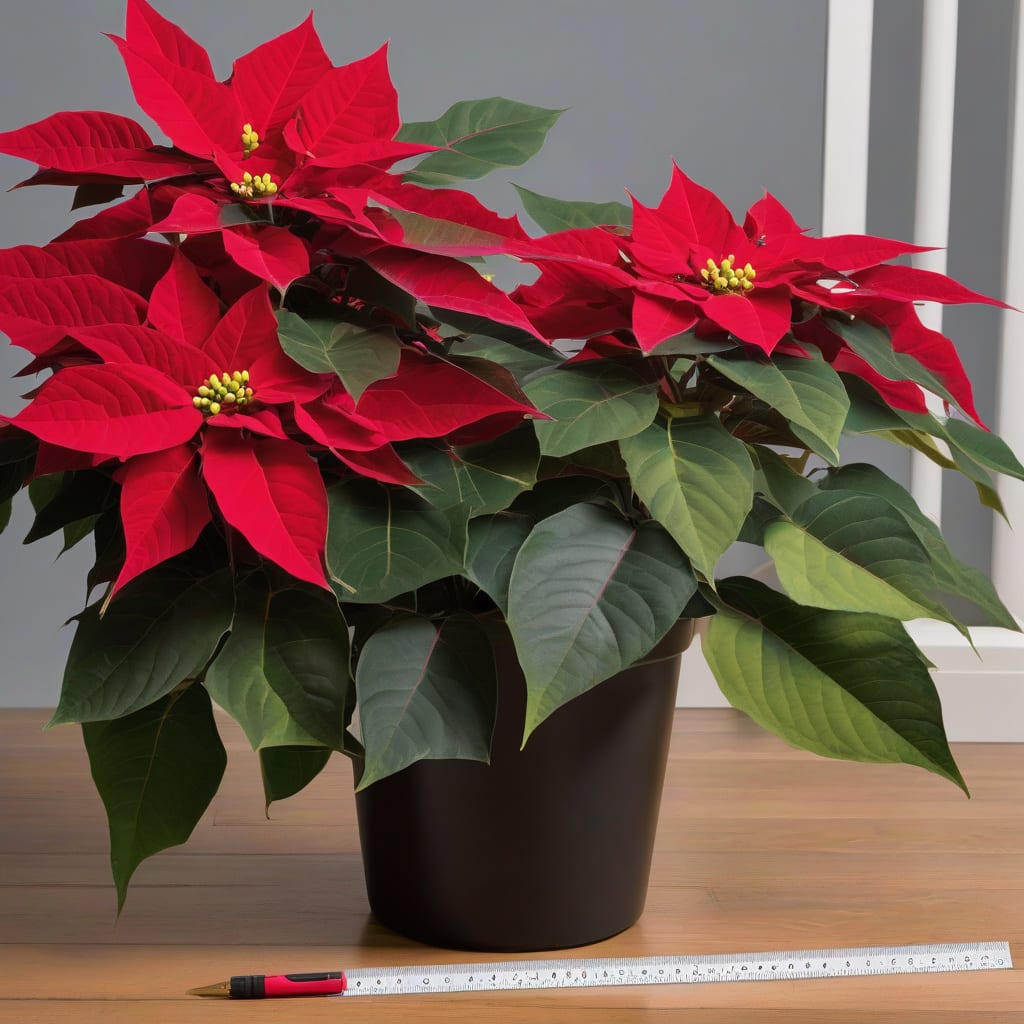
As I gaze at my vibrant 🌼 Poinsettia, I’m often asked: how tall can these festive plants really grow? The answer might surprise you – with proper care, they can reach impressive heights.
In USDA Zone 6, where I live, Poinsettias can grow between 1-12 feet tall, depending on factors like light, temperature, and pruning techniques. Let’s explore the secrets to helping your Poinsettia reach its full potential.

Poinsettias are known for their vibrant colors and festive appearance during the holiday season. Their growth patterns and maximum height are influenced by several factors, including variety, light, temperature, watering practices, and nutrient management. Understanding these factors is crucial for growing healthy and tall poinsettias.
The height of poinsettias can vary significantly based on the variety. Some compact varieties may only grow to be around 1-2 feet tall, while others can reach heights of up to 12 feet or more under optimal conditions. The average height for most poinsettia varieties ranges between 3-6 feet.
To maximize poinsettia height, it’s essential to provide the right growing conditions. This includes maintaining a consistent temperature, ensuring adequate light exposure, and watering appropriately. Additionally, pruning and fertilization play crucial roles in promoting vertical growth and overall plant health 🌼.
By understanding these growth factors and implementing proper care techniques, you can help your poinsettia reach its full height potential. Whether you’re aiming for a compact 2-foot plant or a towering 12-foot specimen, the key lies in providing optimal growing conditions and attentive care.
Regular monitoring of your plant’s response to different care practices will help you fine-tune your approach. This might involve adjusting your watering schedule, providing more or less light, or experimenting with different fertilization strategies. By being responsive to your poinsettia’s needs, you can encourage it to grow tall and healthy.
The USDA Zone in which you live also plays a significant role in determining the maximum height of your poinsettia. In zones with longer growing seasons, poinsettias have more time to grow and can reach greater heights. In contrast, areas with shorter growing seasons may require more careful planning and protection to help poinsettias thrive.
By combining the right variety selection with optimal care practices, you can maximize your poinsettia’s growth potential. This includes choosing a variety known for its height potential, providing the right environmental conditions, and employing effective care techniques.
With proper care and attention, poinsettias can become stunning focal points in your garden or indoor space. Their vibrant colors and impressive heights make them a popular choice for holiday decorations and year-round interest.
In conclusion, understanding the factors that influence poinsettia height and implementing appropriate care strategies can help you grow these plants to their full potential. By paying attention to variety, light, temperature, watering, and nutrient management, you can enjoy tall, healthy poinsettias that enhance your living space.
To grow tall and healthy poinsettias, it’s essential to provide the right conditions and care. I’ve found that with proper pruning techniques, fertilization schedules, and optimal growing conditions, you can promote vertical growth and enjoy a stunning display of colorful bracts 🌼.
First, let’s talk about pruning. Pruning is a critical step in encouraging poinsettias to grow tall and bushy. By pinching back the tips of the stems in spring, you can stimulate branching and promote a fuller plant. This technique helps to distribute the plant’s energy more evenly, resulting in a more robust and vibrant display.
Pinch back stem tips to encourage branching and promote a fuller plant.
Use a balanced fertilizer (20-20-20 NPK) every 2 weeks during the growing season.
Ensure your poinsettia receives 4-6 hours of bright, indirect light daily.
In addition to pruning and fertilization, maintaining optimal growing conditions is crucial. Keep your poinsettia in a spot with bright, indirect light, and maintain a consistent temperature between 65-75°F. Water your plant when the soil feels dry to the touch, and avoid overwatering, which can lead to root rot.
By following these expert tips, you can enjoy a tall and healthy poinsettia that adds a pop of color to your holiday decor.
With proper care and attention, your poinsettia can thrive and become a stunning focal point in your home or garden. By providing the right conditions and care, you can enjoy a beautiful and vibrant display for years to come 🌼.
Regular care and maintenance are key to promoting healthy growth and maximizing your poinsettia’s height potential. By staying attentive to your plant’s needs, you can create an optimal environment that supports its development.
In conclusion, growing tall and healthy poinsettias requires a combination of proper pruning techniques, fertilization schedules, and optimal growing conditions. By following these expert tips, you can enjoy a stunning display of colorful bracts and a thriving plant that enhances your living space.
When growing poinsettias, it’s easy to make mistakes that can limit their height potential. One of the most common errors is overwatering, which can lead to root rot and stunted growth. To avoid this, I check the soil moisture by inserting my finger into the soil up to the first knuckle. If it feels dry, I water thoroughly until I see drainage coming out of the bottom of the pot 💧.
Overwatering is a common mistake that can lead to root rot and stunted growth. Check soil moisture regularly and avoid getting water on the leaves to prevent fungal diseases.
Another mistake is inadequate light. Poinsettias need bright, indirect light for at least 4-6 hours daily. If your plant is not getting enough light, it may become leggy and weak. To fix this, I move my poinsettia to a brighter location or supplement with grow lights 🌞.
Poor temperature control is another common mistake. Poinsettias prefer temperatures between 65-75°F during the day and slightly cooler at night. Avoid placing them near heating or cooling vents, fireplaces, or drafty windows ❄️.
Finally, neglecting fertilization can limit poinsettia growth. I use a balanced fertilizer (20-20-20 NPK) every 2 weeks during the growing season to provide essential nutrients. This helps promote healthy growth and encourages my poinsettia to reach its full height potential 🌼.
By being aware of these common mistakes and taking steps to avoid them, you can help your poinsettia grow tall and healthy. Regular monitoring and adjustments to your care routine will ensure your plant thrives and becomes a stunning focal point in your garden or indoor space.
