
Beautiful Plants For Your Interior
Beautiful Plants For Your Interior
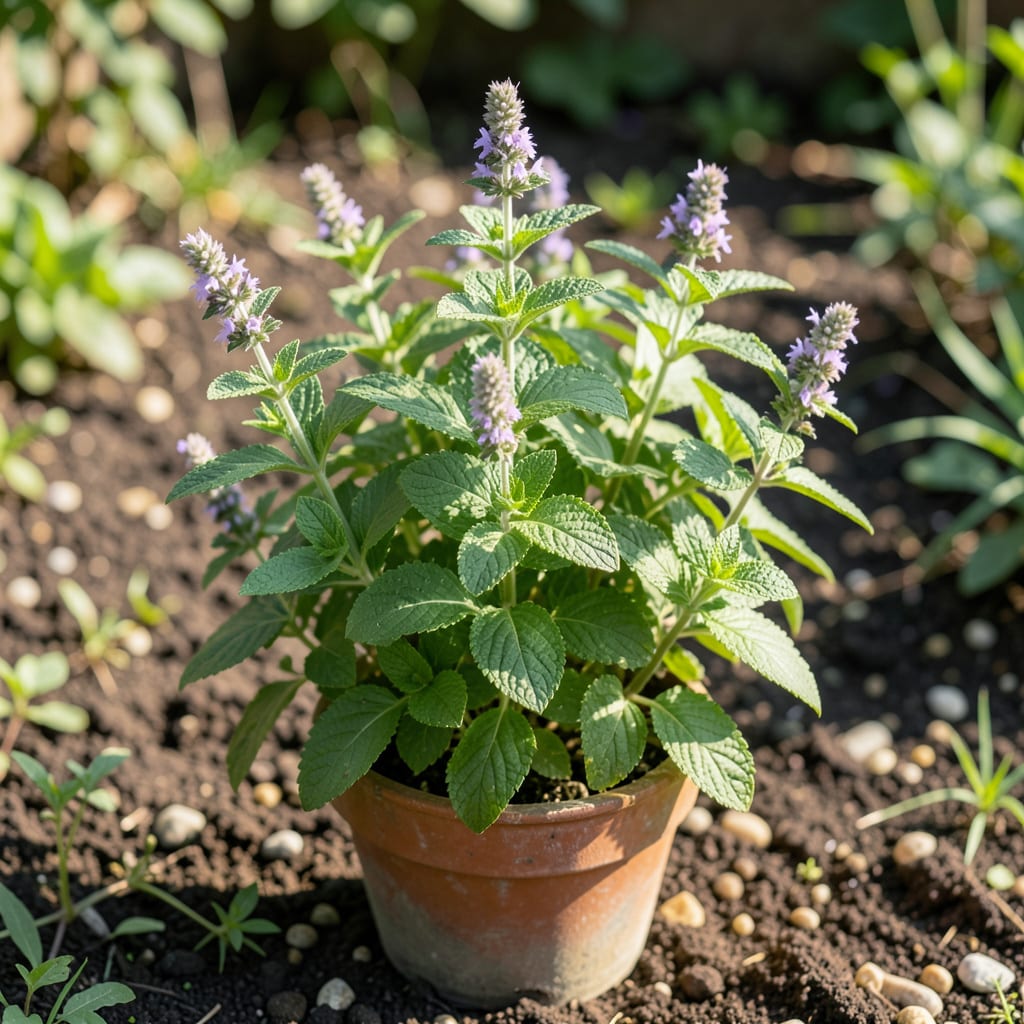
Peppermint plants 🌿 are notorious for their vigorous growth, but have you ever wondered just how tall they can get? In ideal conditions, peppermint can grow quite tall, making it essential to understand its growth patterns.
As someone who’s grown peppermint in USDA Zone 6, I can tell you that it typically reaches heights of 1-2 feet, requiring regular pruning to keep it under control and promote healthy growth.


Peppermint plants are known for their vigorous growth, and understanding their height potential is crucial for effective garden planning. The average height of peppermint plants typically ranges between 1-2 feet, but this can vary based on several factors.
The growth habit of peppermint is influenced by environmental conditions such as light exposure, soil quality, and watering practices. In ideal conditions, peppermint can grow quite tall, making it essential to monitor its growth regularly 🌿.
Peppermint plants thrive in moist soil with partial shade, although they can adapt to full sun if the soil remains consistently moist. Their growth rate is particularly rapid during the spring season, making regular monitoring essential to prevent overgrowth.
The height of peppermint plants can be influenced by factors such as soil fertility, water availability, and pruning practices. Regular pruning is particularly important to control height and encourage healthy bushy growth. In USDA Zone 6, peppermint typically begins growing vigorously in late spring and continues through early fall.
To manage peppermint’s height effectively, gardeners can employ several strategies, including regular pinching of stem tips and pruning back tall stems. These practices not only help control the plant’s height but also promote denser foliage and prevent the plant from becoming leggy.
Understanding the growth patterns of peppermint is key to managing its height. The plant’s rhizomatous root system allows it to spread quickly, and if left unchecked, it can become invasive. Regular maintenance is therefore crucial to keep peppermint plants under control and ensure they remain healthy and productive.
In addition to pruning, growing peppermint in containers can be an effective way to manage its height and prevent it from spreading beyond desired boundaries. Containers also allow for better control over soil quality and moisture levels, both of which are critical factors in managing peppermint’s growth.
By understanding the factors that influence peppermint’s height and employing appropriate management strategies, gardeners can enjoy a healthy and productive crop. Regular monitoring and maintenance are key to keeping peppermint plants at a manageable height while maximizing their yield 🌿.
Overall, peppermint is a versatile and productive herb that can be a valuable addition to any garden. With proper care and management, it can provide a continuous supply of fresh leaves throughout the growing season, making it a favorite among gardeners and cooks alike.
Peppermint plants are known for their vigorous growth, making height management crucial for maintaining a healthy and productive garden. Regular pruning is essential to control peppermint’s height and encourage healthy bushy growth. By pruning your peppermint plants regularly, you can prevent them from becoming too leggy and invasive 🌿.
One effective method for managing peppermint height is through regular pinching of stem tips. This technique encourages the plant to grow more laterally, resulting in denser foliage and a more compact growth habit. Pinching stem tips is a simple yet effective way to control peppermint’s height while promoting healthier growth.
Prune peppermint plants regularly to control height and encourage bushy growth.
Grow peppermint in containers to manage its height and prevent spreading.
Plant companion herbs like chamomile or lemon balm to help manage peppermint’s growth.
In addition to pruning, growing peppermint in containers can be an effective way to manage its height and prevent it from spreading beyond desired boundaries. Containers also allow for better control over soil quality and moisture levels, both of which are critical factors in managing peppermint’s growth.
Companion planting is another strategy that can help manage peppermint’s height. Planting companion herbs like chamomile or lemon balm alongside peppermint can help create a balanced garden ecosystem and reduce the need for frequent pruning.
By implementing these strategies, gardeners can effectively manage peppermint’s height while promoting healthy growth and maximizing yield. Regular monitoring and maintenance are key to keeping peppermint plants under control and ensuring they remain a valuable addition to any garden 🌿.
Overall, managing peppermint plant height requires a combination of regular pruning, container gardening, and companion planting. By understanding the growth patterns of peppermint and employing these strategies, gardeners can enjoy a healthy and productive crop throughout the growing season.
When growing peppermint, one of the key challenges is balancing plant height with optimal leaf production. While peppermint can grow quite tall, reaching heights of 1-2 feet, the goal is often to maximize leaf yield for culinary or medicinal purposes.
Effective height management is crucial to achieving this goal. Regular pruning and pinching of stem tips not only control the plant’s height but also encourage denser foliage and more vigorous leaf production. By pruning your peppermint plants regularly, you can promote a bushier growth habit and increase overall yield 🌿.
To maximize peppermint yield, harvest leaves regularly, focusing on the top 2-3 inches of growth. This encourages the plant to produce more leaves and prevents it from flowering, which can reduce flavor and aroma.
Proper harvesting techniques are also essential for maximizing leaf production. By harvesting leaves regularly, you can encourage the plant to produce more foliage and prevent it from becoming leggy. Focus on harvesting the top 2-3 inches of growth to promote bushy growth and maximize yield.
In addition to pruning and harvesting, growing conditions play a significant role in peppermint’s leaf production. Providing consistent moisture and partial shade can help promote healthy growth and maximize yield. Peppermint thrives in moist soil with good drainage, making regular watering essential during dry periods.
By understanding the balance between height management and leaf production, gardeners can optimize their peppermint crop for maximum yield. Regular maintenance, including pruning and harvesting, is key to achieving this balance and enjoying a bountiful harvest of fresh peppermint leaves 🌿.
Overall, maximizing peppermint yield requires a combination of effective height management, proper harvesting techniques, and optimal growing conditions. By implementing these strategies, gardeners can enjoy a healthy and productive crop throughout the growing season.
Peppermint plants can grow between 1-2 feet tall in ideal conditions, with consistent moisture and partial shade. Regular pruning helps control their height and promotes healthy growth.
The height of peppermint plants is influenced by factors such as light exposure, soil quality, and watering practices. Providing optimal conditions helps promote healthy growth.
Regular pruning is essential to control peppermint’s height. Prune your plants every few weeks during the growing season to encourage bushy growth and prevent them from becoming leggy.
Yes, growing peppermint in containers is an effective way to manage its height and prevent it from spreading. Containers also allow for better control over soil quality and moisture levels.
