
Beautiful Plants For Your Interior
Beautiful Plants For Your Interior
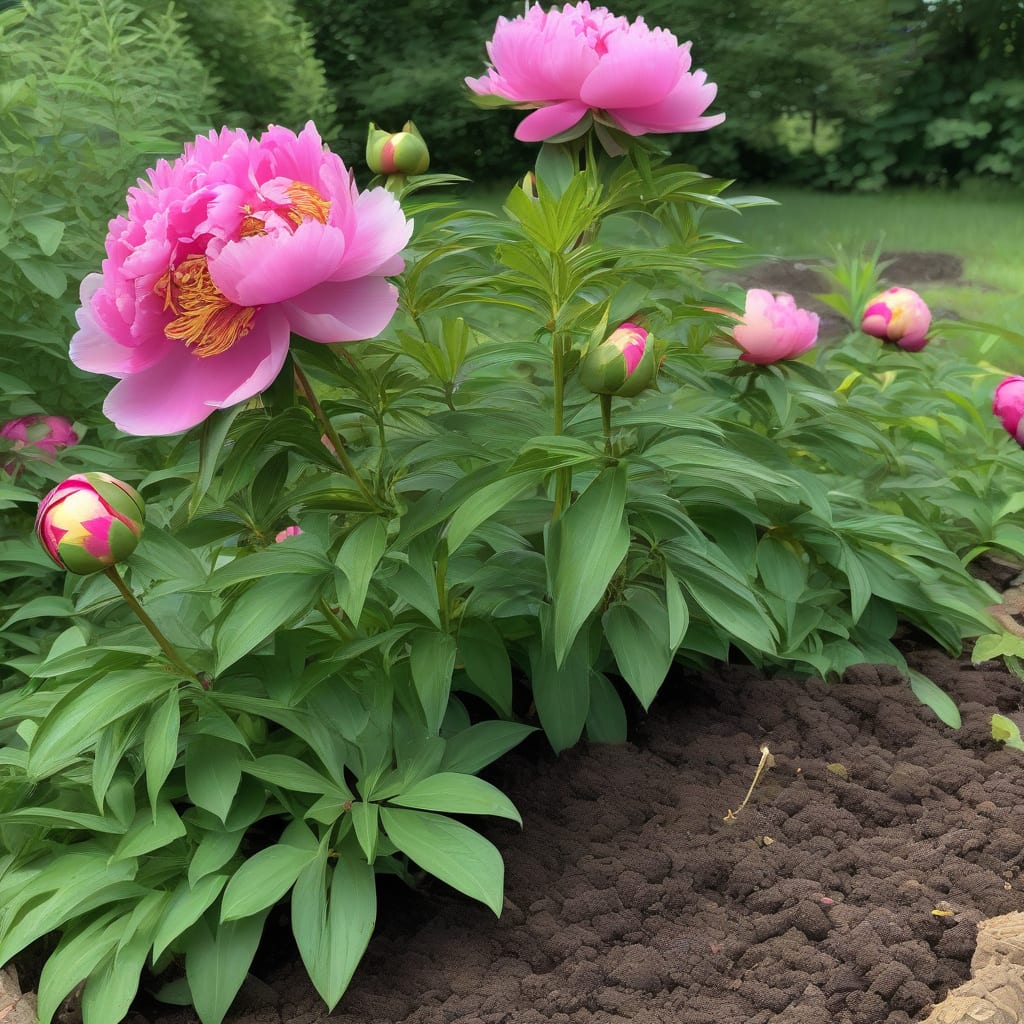
As a gardener, I’ve always been fascinated by Peony plants 💐 and their impressive blooms. Understanding how tall they can grow is crucial for planning your garden layout.
Peonies can reach varying heights depending on the type, with some growing as tall as 3-4 feet. Let’s explore what influences their height and how to care for them.


When considering how tall peony plants grow, several factors come into play. The variety of peony is a significant determinant, as different types have distinct growth habits. For instance, herbaceous peonies typically grow between 2-3 feet tall, while tree peonies can reach heights of 4-6 feet 🌿.
Growing conditions also play a crucial role in determining peony plant height. Soil quality, sunlight exposure, and watering practices all impact how tall peonies will grow. Peonies thrive in well-draining soil with adequate sunlight, typically requiring at least 6 hours of direct sunlight per day ☀️.
The specific growing conditions can significantly affect the ultimate height of peony plants. For example, poor soil can limit growth, while optimal sunlight and watering can help peonies reach their full height potential 🌱.
It’s also worth noting that proper care practices, such as fertilization and pruning, can influence peony plant height. Fertilizing peonies in the spring with a balanced fertilizer can promote healthy growth, while pruning techniques can help control the plant’s height and encourage blooming 🌼.
Understanding these factors is essential for gardeners who want to maximize the height and health of their peony plants. By providing the right conditions and care, gardeners can enjoy the full beauty of these stunning flowers 💐.
Peony plants are known for their resilience and ability to thrive in various conditions, making them a popular choice for gardeners. However, their height can vary significantly based on the aforementioned factors 🌿.
In summary, the height of peony plants is influenced by a combination of their variety, growing conditions, and the care they receive. By understanding and optimizing these factors, gardeners can help their peonies reach their full potential 🌟.
For gardeners looking to maximize their peony’s height, it’s essential to focus on creating optimal growing conditions and providing proper care. This includes ensuring the soil is rich in nutrients and well-draining, providing adequate sunlight, and maintaining a consistent watering schedule ☁️.
By following these guidelines and understanding the factors that influence peony plant height, gardeners can enjoy the beauty and elegance that peonies bring to their gardens for years to come 🌸.
Understanding the average height range of different peony types is essential for effective garden planning. Peonies come in various forms, including herbaceous, tree, and intersectional varieties, each with its characteristic height range 🌼.
The height variations among peony types are significant and can impact garden design. Herbaceous peonies typically grow between 2-3 feet tall, making them suitable for borders or mid-garden placements 🌿.
Tree peonies, on the other hand, can reach heights of 4-6 feet, making them ideal as specimen plants or background elements in garden designs 🌸.
Intersectional peonies offer a balance, usually growing between 2.5-4 feet tall, and are versatile for various garden placements 💐.
When planning your garden, considering the mature height of your peonies is crucial for creating a harmonious and visually appealing landscape 🌼.
By understanding the typical heights of different peony types, gardeners can make informed decisions about plant placement and spacing, ensuring their peonies have the best chance to thrive and display their beautiful blooms 🌸.
In conclusion, the height range of peonies varies significantly among different types, and understanding these differences is key to successful garden planning and design 🌟.
To showcase peonies at their best height, gardeners can employ several strategies. Proper pruning techniques are essential for maintaining plant health and controlling height. For herbaceous peonies, cutting back foliage to the ground after the first frost helps maintain a neat appearance and promotes healthy regrowth 🌱.
For optimal display, consider staking tall peony varieties to prevent damage from heavy blooms. Use soft ties and stakes that won’t damage the stems.
Staking is particularly important for taller peony varieties that may become top-heavy with blooms. Using soft ties and sturdy stakes can help support the plants without causing damage 🌼.
When it comes to placement strategies, gardeners should consider the mature height of their peonies. Planting taller varieties towards the back of borders or using them as specimen plants can create a visually appealing display 💐.
Shorter peony varieties can be used in front borders or container gardens, where their blooms can be appreciated up close. This strategic placement helps create a balanced and harmonious garden design 🌸.
By combining proper pruning, staking, and placement, gardeners can effectively manage peony plant height and showcase these beautiful flowers at their best 🌟.
Effective height management also involves considering the overall garden design and how peonies will fit into the landscape. By planning carefully, gardeners can create a stunning display that highlights their peonies’ beauty 🌿.
With these strategies in place, gardeners can enjoy their peonies’ blooms for years to come, making the most of their beautiful flowers and lush foliage 💐.
