
Beautiful Plants For Your Interior
Beautiful Plants For Your Interior
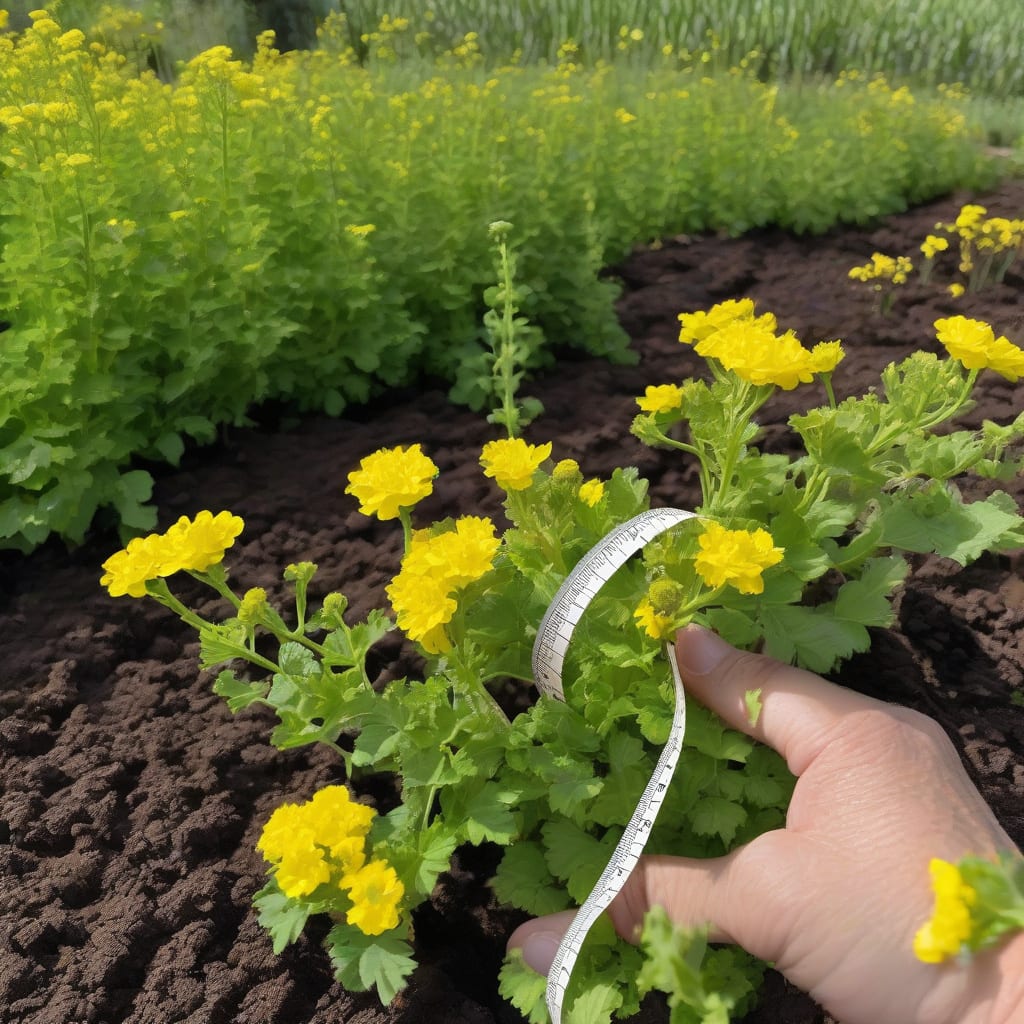
When growing 🌱 Mustard plants in your garden, understanding their height is crucial for planning. These versatile plants can grow anywhere from 1 to 6 feet tall, depending on the variety and growing conditions in your USDA Zone 6 garden.
Knowing the expected height helps you space them correctly and make the most of your garden space. Let’s explore the factors that influence Mustard plant height and how to optimize their growth.


Mustard plants are known for their versatility and growth potential, but their height can vary significantly based on several factors. Understanding these factors helps gardeners make informed decisions about their garden layout and plant care.
The variety of mustard you’re growing plays a crucial role in determining its height. Different types of mustard, such as white, brown, or black mustard, have distinct growth characteristics. For example, some varieties are bred for their compact growth, while others can grow quite tall 🌿.
The growing conditions in your garden significantly impact mustard plant height. Mustard plants prefer full sun and well-draining soil. The quality of the soil, including its nutrient content and pH level, can affect how tall your mustard plants will grow 🌱.
Cultivation practices such as spacing, fertilization, and pruning also play a role in determining the height of your mustard plants. Proper spacing and fertilization can encourage healthy growth, while excessive pruning might limit the plant’s potential height 🌿.
Mustard plants are relatively easy to grow, and their height can be influenced by a combination of these factors. By understanding and managing these factors, gardeners can optimize the growth of their mustard plants 🌱.
To maximize height, ensure your mustard plants receive adequate sunlight and proper watering. The soil should be rich in nutrients to support healthy growth. Regular fertilization can also help achieve optimal height 🌼.
It’s also important to note that different mustard varieties have different growth habits. Some may naturally grow taller than others, so choosing the right variety is key to achieving your desired height 🌻.
By considering these factors and adjusting your gardening practices accordingly, you can help your mustard plants reach their full height potential. This not only ensures a bountiful harvest but also adds visual interest to your garden 🌺.
Mustard plants can add both beauty and utility to your garden, making them a great addition to any gardening project. Their height can vary, but with the right conditions and care, they can grow quite tall and thrive 🌼.
In conclusion, the height of mustard plants is influenced by a combination of variety, growing conditions, and cultivation practices. By understanding and managing these factors, gardeners can optimize the growth of their mustard plants and enjoy a successful harvest 🌿.
Mustard plants come in various types, each with its unique characteristics and growth habits. Understanding the average height range of different mustard plant types helps gardeners choose the right variety for their garden space 🌱.
The height of mustard plants can vary significantly depending on the specific variety 🌱. White mustard tends to be shorter, typically growing between 2-3 feet tall. Brown mustard is generally taller, reaching heights of 3-5 feet. Black mustard is known for being the tallest variety, often growing 4-6 feet tall. Heirloom mustard varieties can vary in height, but usually fall within the 2-4 feet range 🌼.
Growing conditions and cultivation practices also play a crucial role in determining the final height of mustard plants 🌿. Factors such as soil quality, sunlight exposure, watering, and fertilization can all impact how tall your mustard plants will grow. By optimizing these conditions, gardeners can help their mustard plants reach their full height potential 🌻.
Mustard plants are relatively easy to grow and can thrive in a variety of conditions 🌼. However, they generally prefer full sun and well-draining soil. Proper spacing and fertilization can encourage healthy growth and help plants reach their maximum height 🌺.
When planning your garden, consider the mature height of the mustard variety you’re growing 🌱. This will help you space plants appropriately and make the most of your garden space. With the right care and conditions, mustard plants can add both beauty and utility to your garden 🌿.
In summary, the height of mustard plants varies by type, with white mustard being the shortest and black mustard being the tallest 🌼. By understanding these differences and optimizing growing conditions, gardeners can successfully grow mustard plants that meet their needs 🌻.
Whether you’re growing mustard for its greens, seeds, or as a cover crop, knowing the expected height of your plants helps you plan and manage your garden effectively 🌱.
To manage mustard plant height effectively, it’s crucial to understand the factors that influence their growth. Proper spacing, pruning, and soil management are key to achieving optimal height and ensuring healthy plants 🌱.
For optimal growth, ensure your mustard plants receive adequate sunlight and maintain consistent moisture levels. Regular fertilization with a balanced fertilizer can also promote healthy growth 🌼.
When it comes to pruning, removing the top leaves can encourage bushy growth and prevent the plants from becoming too leggy. However, be cautious not to over-prune, as this can stress the plants and reduce their overall height 🌿.
Spacing is another critical factor in managing mustard plant height. Planting seeds too close together can lead to competition for resources, resulting in weaker and potentially shorter plants. Ensure you provide enough space between each plant to allow for proper air circulation and growth 🌻.
Soil management plays a significant role in determining the height of your mustard plants. Soil that is rich in nutrients and has good drainage will support healthier and potentially taller plants. Regularly testing your soil and amending it as necessary can help achieve optimal growing conditions 🌺.
By implementing these strategies, you can effectively manage the height of your mustard plants and promote optimal growth. Whether you’re growing mustard for its greens, seeds, or as a cover crop, understanding how to control their height is essential for a successful harvest 🌼.
In summary, managing mustard plant height involves a combination of proper spacing, pruning, and soil management. By following these tips, you can ensure your mustard plants reach their full potential and add both beauty and utility to your garden 🌱.
