
Beautiful Plants For Your Interior
Beautiful Plants For Your Interior
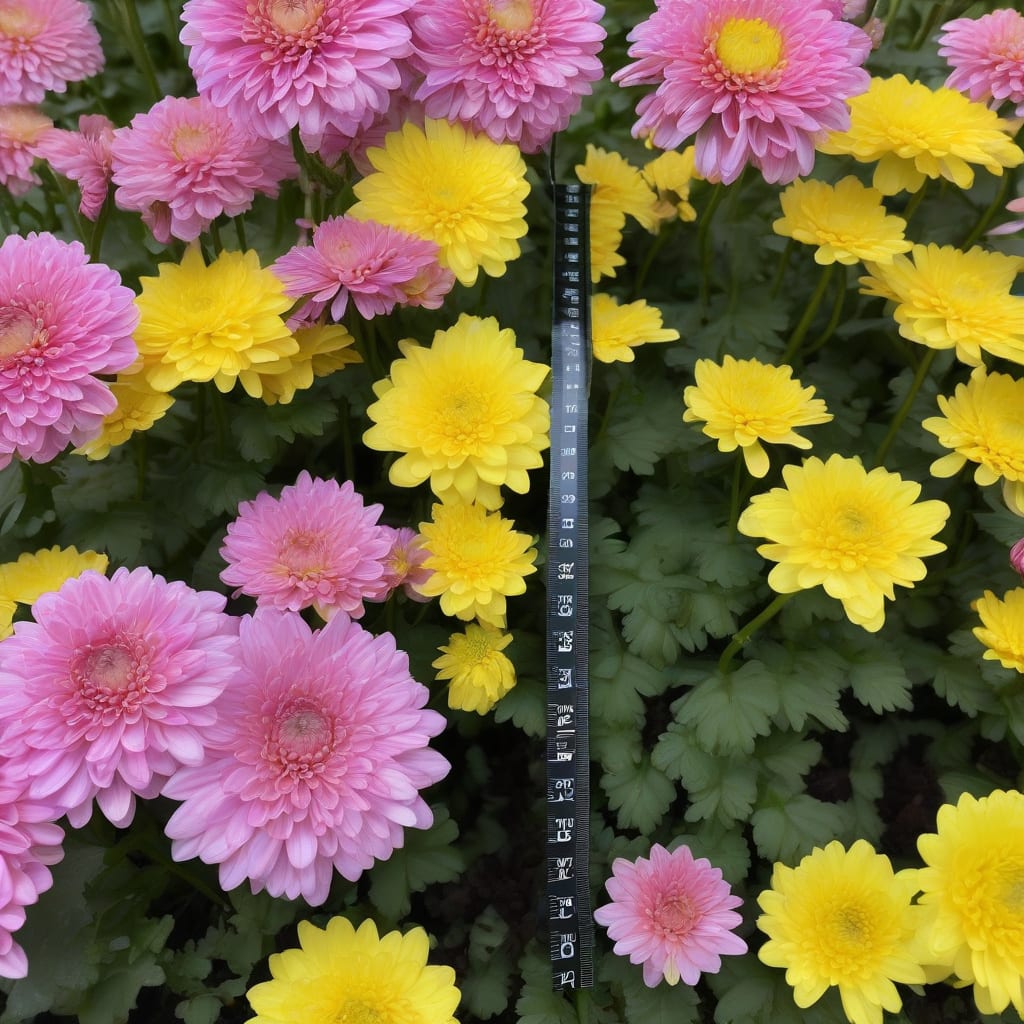
When growing Chrysanthemum 💐, one of the most common questions is about their height. The truth is, mums can grow anywhere from 1 to 3 feet tall, depending on the variety and growing conditions.
In USDA Zone 6, where these beautiful flowers thrive, you can expect them to reach their full potential with proper care. Let’s explore the factors that influence their growth and how you can encourage them to reach their maximum height.


Mums are a popular fall-blooming flower that can add vibrant color to any garden or landscape. Their height can vary significantly based on variety and growing conditions. Understanding these factors is crucial for gardeners who want to optimize their mum’s growth.
The height of mums is influenced by several key factors, including the specific variety, soil quality, sunlight exposure, and pruning practices. Each of these elements plays a significant role in determining how tall your mums will grow 🌼.
The variety of mum you choose is perhaps the most significant factor in determining its height. Some varieties are naturally bred to be smaller, bred to be compact, or simply have a more delicate growth habit. Other mums might be taller and more vigorous, thriving under the right conditions. Understanding the characteristics of your mum variety is essential for managing expectations about height 🌿.
Soil quality is another critical factor that affects mum height. Mums thrive in well-draining soil that is rich in organic matter. Poor soil conditions, such as heavy clay or sandy soil, can limit root development and subsequently affect the overall height of the plant. Ensuring your soil is fertile and drains well can help your mums reach their full potential 🌱.
Sunlight is also a crucial element in determining mum height. These plants require full sun to thrive, meaning they need at least six hours of direct sunlight per day. Insufficient sunlight can lead to weak, leggy growth, while adequate sunlight promotes sturdy stems and healthy flowering. Proper sunlight exposure is key to maximizing mum height ☀️.
In addition to these factors, pruning practices play a significant role in controlling mum height. Regular pruning and pinching back of the tips can encourage bushier growth and prevent the plant from becoming too leggy. By pruning your mums effectively, you can influence their height and overall shape 🌸.
By understanding and managing these factors, gardeners can better control the height of their mums. Whether you’re aiming for a compact display or a taller, more dramatic presence, these insights can help you achieve your gardening goals.
For more information on optimizing mum growth, consider exploring additional resources that provide detailed care instructions and tips for achieving the best possible results in your garden.
To encourage taller growth in mums, it’s essential to understand the right techniques and care practices. By implementing these expert tips, you can help your mums reach their maximum height potential and enjoy a more vibrant display 🌼.
First, let’s look at the key factors that contribute to maximizing mum height. Proper care, fertilization, and maintenance all play a crucial role in promoting healthy and vigorous growth.
Ensure your soil is well-draining and rich in organic matter. Add compost or well-rotted manure to improve soil fertility and structure.
Use a balanced fertilizer (10-10-10 NPK) every 2-3 weeks during the growing season to promote healthy growth.
Pinch back the tips of your mums regularly to encourage bushier growth and prevent legginess.
By following these expert tips, you can create an optimal growing environment for your mums.
In addition to these tips, it’s essential to be aware of common mistakes that can limit mum growth. By avoiding these errors, you can further ensure your mums reach their full height potential.
For more detailed information on mum care and maintenance, consider exploring additional resources that provide comprehensive guidance on gardening best practices.
By combining proper care techniques with a understanding of mum growth patterns, you can enjoy a stunning display of vibrant flowers in your garden or landscape.
When growing mums, it’s easy to make mistakes that can limit their height and overall health. By being aware of these common errors, you can take steps to avoid them and ensure your mums reach their full potential 🌼.
Overwatering, poor soil quality, and insufficient sunlight are just a few of the mistakes that can limit mum growth. By being aware of these potential pitfalls, you can take steps to create a healthier growing environment.
One of the most common mistakes gardeners make is overwatering their mums. Mums prefer well-draining soil and can be susceptible to root rot if the soil is too wet.
Another mistake is poor soil quality. Mums thrive in soil that is rich in organic matter and has good drainage. If your soil is heavy clay or sandy, consider amending it with compost or well-rotted manure to improve its fertility and structure 🌿.
Insufficient sunlight is also a common mistake. Mums require full sun to thrive, so make sure they’re getting at least six hours of direct sunlight per day. If your mums are not getting enough sunlight, consider relocating them to a sunnier spot ☀️.
By avoiding these common mistakes, you can help your mums reach their full height potential and enjoy a more vibrant display.
For more information on mum care and maintenance, consider exploring additional resources that provide comprehensive guidance on gardening best practices.
