
Beautiful Plants For Your Interior
Beautiful Plants For Your Interior
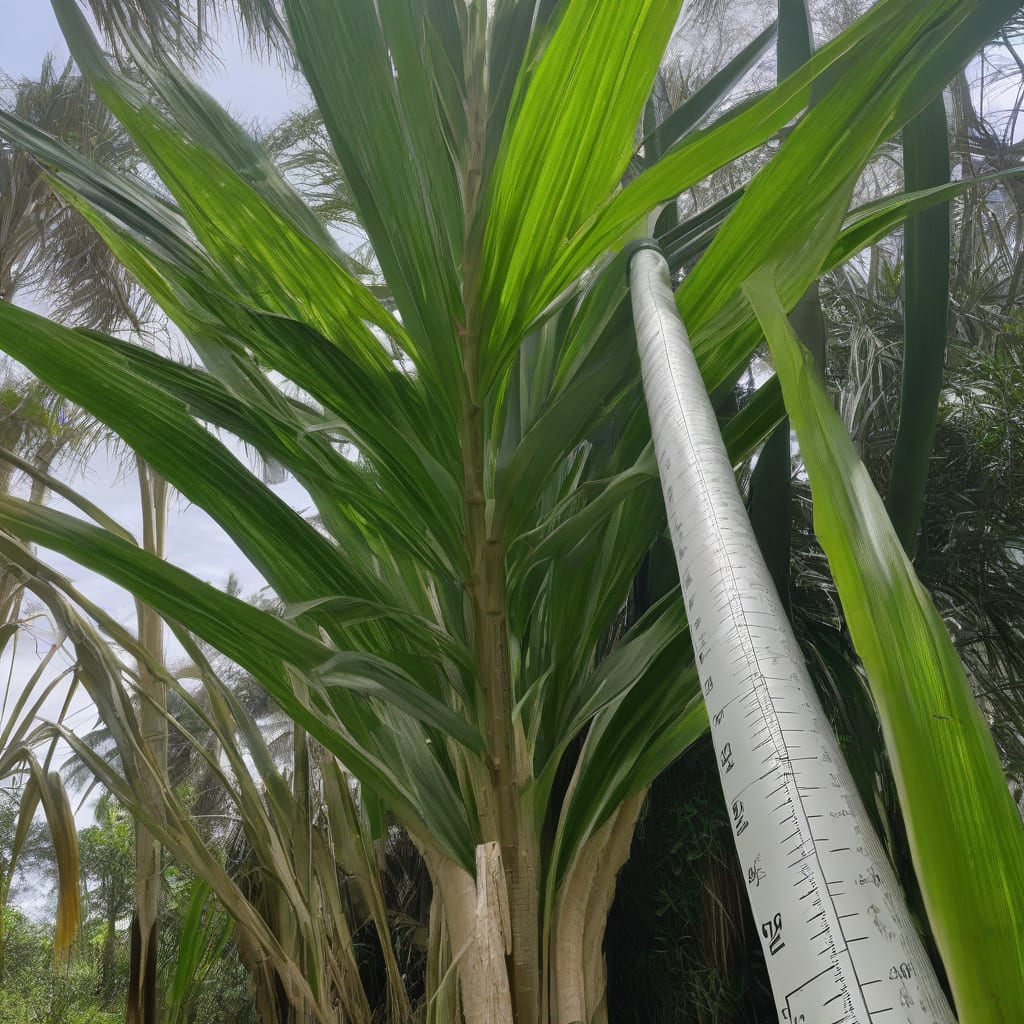
I’ve always been fascinated by the striking vertical growth of Mass Cane plants 🌿. These popular houseplants can add a touch of tropical elegance to any room, but their height potential is often a mystery to many growers.
Understanding how tall Mass Cane plants can grow is crucial for providing proper care, especially in indoor settings where space can be limited. Let’s explore the growth habits of these impressive plants and what you can expect as they mature in USDA Zone 9b.


I’ve found that several key factors influence the height of Mass Cane plants. The lighting conditions play a crucial role in determining their growth potential. Mass Cane plants thrive in bright, indirect light, which promotes healthy vertical growth 🌿.
Other important factors include watering practices and fertilization. Proper watering ensures the soil remains moist but not waterlogged, while regular fertilization during the growing season provides essential nutrients for growth.
The ideal conditions for Mass Cane plants include temperatures between 65-75°F (18-24°C) and moderate watering. These conditions, combined with appropriate fertilization, create an environment that supports maximum height potential. In USDA Zone 9b, these conditions are typically met during the growing season from March to September.
Watering frequency is another critical factor. Mass Cane plants prefer moist soil but can tolerate some drought. Adjusting watering frequency according to the season – more frequent during summer months and less during winter – helps maintain optimal growth conditions.
The fertilization schedule also impacts height. Feeding the plants with a balanced fertilizer (20-20-20 NPK) every two weeks during the growing season provides the necessary nutrients for robust growth.
In addition to these factors, the pot size can influence the plant’s height. A larger pot allows for more root development, which can support a taller plant. However, it’s essential to balance pot size with the plant’s current root system to avoid over-potting, which can lead to waterlogging.
Understanding these factors helps in creating an optimal environment for Mass Cane plants to reach their full height potential. By adjusting care practices according to these factors, growers can encourage healthy, vigorous growth.
For Mass Cane plants, bright indirect light is particularly important as it directly affects their growth rate and maximum height. In low light conditions, the plants may become leggy as they stretch towards the light source, potentially leading to an uneven appearance 🌿.
By maintaining consistent care practices and providing optimal conditions, Mass Cane plants can achieve their maximum height potential. Regular monitoring of the plant’s response to its environment allows for adjustments to be made, ensuring the best possible growth.
Overall, the height of Mass Cane plants is a result of a combination of factors including lighting, watering, fertilization, temperature, and pot size. By understanding and managing these factors, growers can help their Mass Cane plants reach their full potential 🌱.
I’ve observed that Mass Cane plants are known for their impressive vertical growth, making them a popular choice for indoor spaces. Under optimal conditions, these plants can reach significant heights, adding a touch of tropical elegance to any room 🌿.
The maximum height potential of Mass Cane plants is influenced by various factors, including growing conditions and care practices. Let’s explore the typical height ranges and what you can expect from these plants.
Mass Cane plants typically grow between 6 to 15 feet tall, with some specimens reaching even greater heights in ideal conditions.
When grown in containers, Mass Cane plants typically reach heights of 6 to 8 feet, while those planted directly in the ground can grow taller, often reaching 10 to 15 feet or more.
Mass Cane plants are known for their moderate to fast growth rate, especially during the growing season. With proper care, they can grow several feet in a single year.
The height potential of Mass Cane plants is also influenced by their variety and growing conditions. Factors such as lighting, watering, and fertilization play a crucial role in determining their maximum height.
In optimal conditions, with bright, indirect light and consistent care, Mass Cane plants can achieve their full height potential. Regular monitoring and adjustments to care practices can help ensure the best possible growth 🌟.
It’s worth noting that Mass Cane plants can be pruned to maintain a desired height or to encourage bushier growth. Pruning is a useful technique for managing the plant’s size and promoting healthier development 🌱.
Overall, understanding the maximum height potential of Mass Cane plants helps in planning their placement and care. By providing the right conditions and appropriate maintenance, you can enjoy these plants at their full height potential.
I have found that pruning is an essential technique for managing the height of Mass Cane plants. By pruning regularly, you can control the plant’s height and maintain its desired shape 🌿.
Prune your Mass Cane plant during the growing season (spring and summer) when it’s actively producing new growth.
Carefully remove any lower leaves that are damaged or yellowing to maintain the plant’s appearance and promote healthy growth.
Using clean, sharp pruning tools, cut back the tallest stems to the desired height, making clean cuts just above a node to encourage new growth.
Pruning not only helps control the height of Mass Cane plants but also encourages fuller growth and maintains the plant’s overall health. By following these steps, you can keep your Mass Cane plant at the desired height while promoting its overall well-being 🌱.
Regular pruning is a simple yet effective way to manage the height of your Mass Cane plant. By doing so, you can enjoy a healthier, more balanced plant that adds beauty to your indoor space 🌿.
In my experience, consistent pruning has been key to maintaining the desired height and shape of my Mass Cane plants. It’s a straightforward process that requires attention to detail and a bit of patience.
By incorporating pruning into your regular plant care routine, you can ensure your Mass Cane plant remains healthy and visually appealing. This practice, combined with proper care, will help your plant thrive and reach its full potential.
