
Beautiful Plants For Your Interior
Beautiful Plants For Your Interior
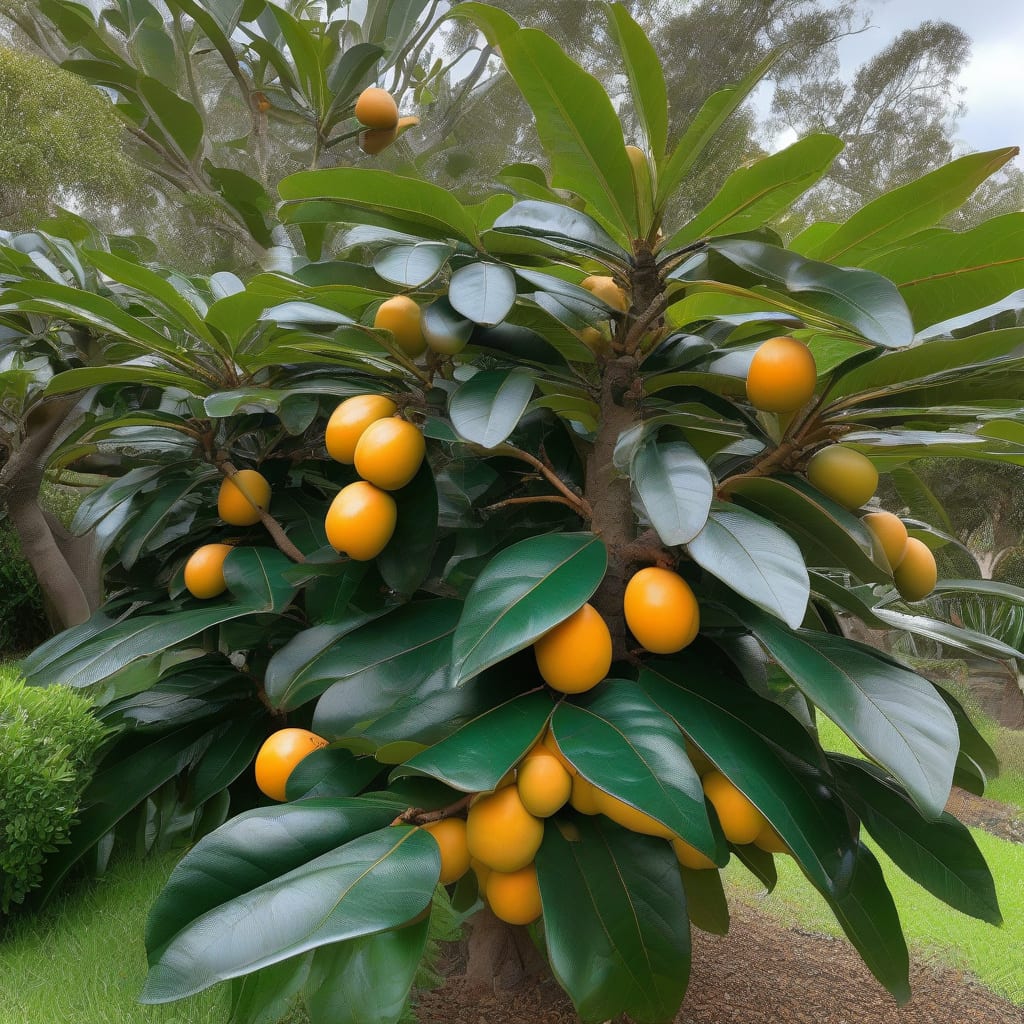
When planning your garden, understanding the growth potential of your Loquat Tree 🌳 is crucial. These beautiful trees can grow quite tall, but their exact height depends on several factors.
In USDA Zone 6, a Loquat Tree can reach heights of 15-30 feet, making them a significant presence in any landscape. Let’s explore what influences their growth and how to manage their size effectively.


Loquat trees are known for their delicious fruit and ornamental value, but their height can vary significantly based on several factors. Understanding these factors is crucial for garden planning and tree management.
The height of a loquat tree is influenced by climate conditions, soil quality, and cultivation practices. Let’s explore these factors in more detail to understand how they impact loquat tree growth.
Climate plays a significant role in determining the height of loquat trees. They prefer mild winters and can be sensitive to frost damage. In warmer climates, loquat trees can grow more vigorously, reaching their maximum potential height.
Soil quality is another critical factor. Loquat trees prefer well-draining soil and can tolerate a wide range of soil types. However, poor drainage can lead to root rot and stunt the tree’s growth.
Regular pruning and fertilization are essential cultivation practices that can affect loquat tree height. Pruning helps maintain the tree’s shape and size, while fertilization provides necessary nutrients for growth.
Understanding these factors helps gardeners make informed decisions about planting and caring for their loquat trees. By optimizing climate, soil, and cultivation practices, gardeners can promote healthy growth and achieve the desired tree size.
Loquat trees are relatively fast-growing when young, especially in ideal conditions. Their growth rate slows as they mature, but proper care can ensure they reach their full potential height 🌳.
By considering these factors, gardeners can better manage their loquat trees and enjoy their benefits for years to come. Proper care and maintenance are key to maximizing the tree’s growth potential and overall health.
Loquat trees can be a beautiful addition to any garden, providing both ornamental value and delicious fruit. Their height can be managed through careful planning and maintenance.
Loquat trees are known for their impressive growth potential, with heights varying between standard and dwarf varieties. Understanding these height differences is crucial for effective garden planning and tree management.
The height of loquat trees can range significantly based on the specific cultivar and growing conditions. Let’s explore the typical height ranges for different varieties and what gardeners can expect as these trees mature 🌳.
Standard loquat trees are known for their impressive height potential, reaching 15 to 30 feet at maturity. This makes them suitable for larger gardens or landscapes where they have enough space to grow fully 🌳.
Dwarf varieties, on the other hand, offer a more compact alternative, typically growing between 8 to 12 feet tall. These are ideal for smaller gardens or container growing, where space is limited.
Semi-dwarf loquat trees provide a middle ground, reaching heights of 12 to 18 feet. They balance the benefits of smaller size with good fruit production, making them a popular choice for many gardeners.
The growth rate of loquat trees is generally fast when they are young, especially in ideal conditions. As they mature, their growth rate slows down, but they continue to produce fruit for many years.
Understanding the mature height of loquat trees helps gardeners plan their orchard or landscape effectively. Proper spacing and care can ensure that these trees thrive and reach their full potential height.
Loquat trees can be a beautiful and productive addition to any garden, providing both ornamental value and delicious fruit. Their height can be managed through careful selection of variety and appropriate maintenance practices.
By choosing the right variety and providing optimal growing conditions, gardeners can enjoy the benefits of loquat trees while managing their size effectively 🌳.
When growing loquat trees, managing their size is crucial for maintaining a balanced garden ecosystem. Proper size management ensures that the tree doesn’t overshadow other plants or become difficult to maintain 🌳.
To effectively manage loquat tree size, gardeners can employ several strategies. These include regular pruning techniques, container growing, and other maintenance practices. Let’s explore these methods in detail to help you keep your loquat tree at the desired height.
Prune your loquat tree annually to maintain its shape and size. Remove any dead or damaged branches to promote healthy growth.
Pruning is one of the most effective ways to control the height of a loquat tree. By pruning regularly, you can maintain the desired shape and size, ensuring the tree remains healthy and productive. Pruning should be done during the dormant season to minimize stress on the tree.
Growing loquat trees in containers is another excellent method for managing their size. Container growing restricts root growth, naturally limiting the tree’s overall size. This method is particularly useful for gardeners with limited space who still want to enjoy the benefits of growing loquat trees.
In addition to pruning and container growing, other maintenance practices can help manage loquat tree size. Regular fertilization and watering are essential for promoting healthy growth. However, it’s crucial to avoid over-fertilizing, as this can lead to excessive growth.
By implementing these strategies, gardeners can effectively manage the size of their loquat trees, ensuring they remain a beautiful and productive part of the garden for years to come 🌳.
