
Beautiful Plants For Your Interior
Beautiful Plants For Your Interior
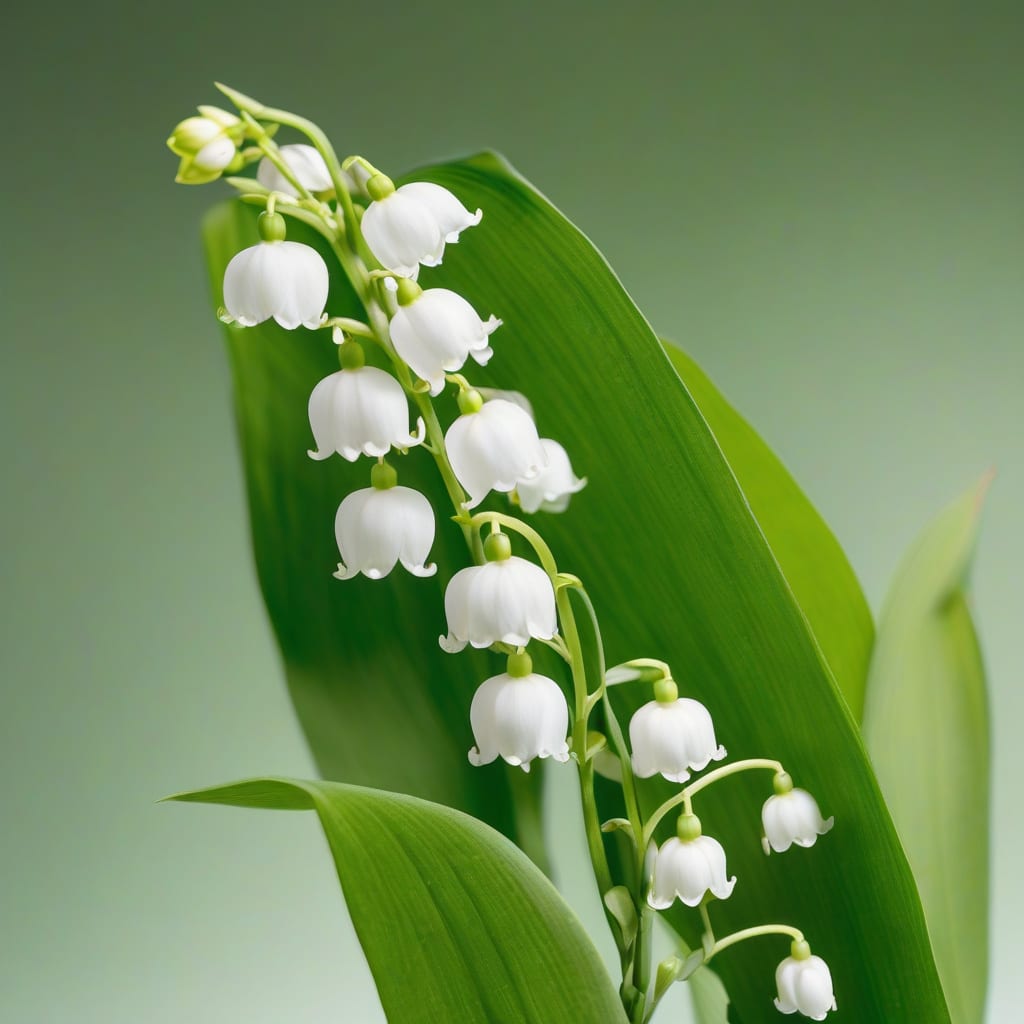
When planning your garden, understanding the growth habits of your chosen plants is crucial. Lily of the Valley 💐 is a popular perennial known for its delicate white blooms and sweet fragrance, typically growing between 0.5 to 1.5 feet tall.
Factors such as light exposure, soil quality, and maintenance practices can influence their height. By understanding these factors, you can better manage your Lily of the Valley’s growth and create a beautiful garden display in USDA zones 4-8.


Lily of the Valley is a popular perennial known for its delicate white blooms and sweet fragrance. Typically, it grows between 0.5 to 1.5 feet tall, making it an excellent choice for garden borders or woodland gardens.
The height of Lily of the Valley can vary based on factors such as light exposure, soil quality, and maintenance practices. Understanding these factors can help you manage your Lily of the Valley’s growth effectively.
The typical height range of Lily of the Valley is between 0.5 to 1.5 feet, which is considered knee-high. This makes it suitable for various garden designs, from borders to woodland gardens.
Lily of the Valley has a moderate growth rate, allowing it to establish itself in gardens without becoming overly invasive. Proper care and conditions can help maintain its desired height.
Several factors can influence the height of Lily of the Valley, including light exposure, soil quality, and maintenance practices. By adjusting these factors, you can optimize the growth and height of your Lily of the Valley.
For example, Lily of the Valley prefers partial shade with 4-6 hours of indirect sunlight. Too much direct sunlight can cause the plants to become stressed, potentially affecting their height 🌿.
In terms of soil, Lily of the Valley thrives in moist, well-drained soil. Ensuring the soil is rich in organic matter can support healthy growth and optimal height.
Regular maintenance, such as watering during the growing season and fertilizing after blooming, can also impact the height of Lily of the Valley. Proper care helps maintain the plant’s vigor and promotes desired growth.
By understanding and managing these factors, you can ensure your Lily of the Valley grows to its full potential height, enhancing your garden’s beauty and structure.
In summary, Lily of the Valley typically grows between 0.5 to 1.5 feet tall, with factors like light, soil, and maintenance influencing its height. By providing optimal conditions and care, you can enjoy these beautiful perennials in your garden 🌼.
For more information on caring for Lily of the Valley and optimizing its growth, consider exploring additional gardening resources and tips.
Lily of the Valley’s height can be influenced by several key factors that gardeners should consider when planning their garden. Understanding these factors helps in creating optimal growing conditions for these beautiful perennials.
The main factors affecting Lily of the Valley height include light exposure, soil quality, and maintenance practices. Each of these elements plays a crucial role in determining the plant’s overall health and size 🌿.
To optimize Lily of the Valley height, provide partial shade with 4-6 hours of indirect sunlight, maintain moist, well-drained soil rich in organic matter, and follow proper watering and fertilization practices.
Light exposure significantly impacts Lily of the Valley’s growth. These plants thrive in partial shade, requiring 4-6 hours of indirect sunlight daily. Too much direct sunlight can stress the plants, potentially stunting their growth.
Soil quality is another critical factor. Lily of the Valley prefers moist, well-drained soil that is rich in organic matter. Ensuring the soil has adequate nutrients supports healthy growth and optimal height 🌱.
Maintenance practices, including watering and fertilization, also play a vital role. Regular watering during the growing season and fertilizing after blooming can help maintain the plant’s vigor and promote desired growth.
By understanding and managing these factors, gardeners can create an optimal environment for their Lily of the Valley, ensuring it reaches its full potential height and enhances the garden’s overall beauty 🌼.
In summary, adjusting light exposure, soil quality, and maintenance practices can significantly influence Lily of the Valley’s height. By providing the right conditions, gardeners can enjoy these lovely perennials at their best.
For more detailed gardening tips and advice on caring for Lily of the Valley, exploring additional resources can be beneficial.
When incorporating Lily of the Valley into your garden design, understanding its typical height is essential for creating a balanced and visually appealing landscape. These plants generally grow between 0.5 to 1.5 feet tall, making them suitable for various garden settings 🌿.
To effectively manage Lily of the Valley height in your garden, consider the following tips that take into account their growth habits and typical height range.
By understanding the typical height of Lily of the Valley and using these tips, you can effectively incorporate these beautiful plants into your garden design, enhancing its overall aesthetic and structure 🌼.
Lily of the Valley’s moderate growth rate and manageable height make it a versatile choice for many garden styles. With proper planning and care, you can enjoy their delicate blooms and fragrance in your outdoor space.
For more gardening tips and advice on incorporating Lily of the Valley into your garden, consider exploring additional resources to help you create the perfect landscape.
