
Beautiful Plants For Your Interior
Beautiful Plants For Your Interior
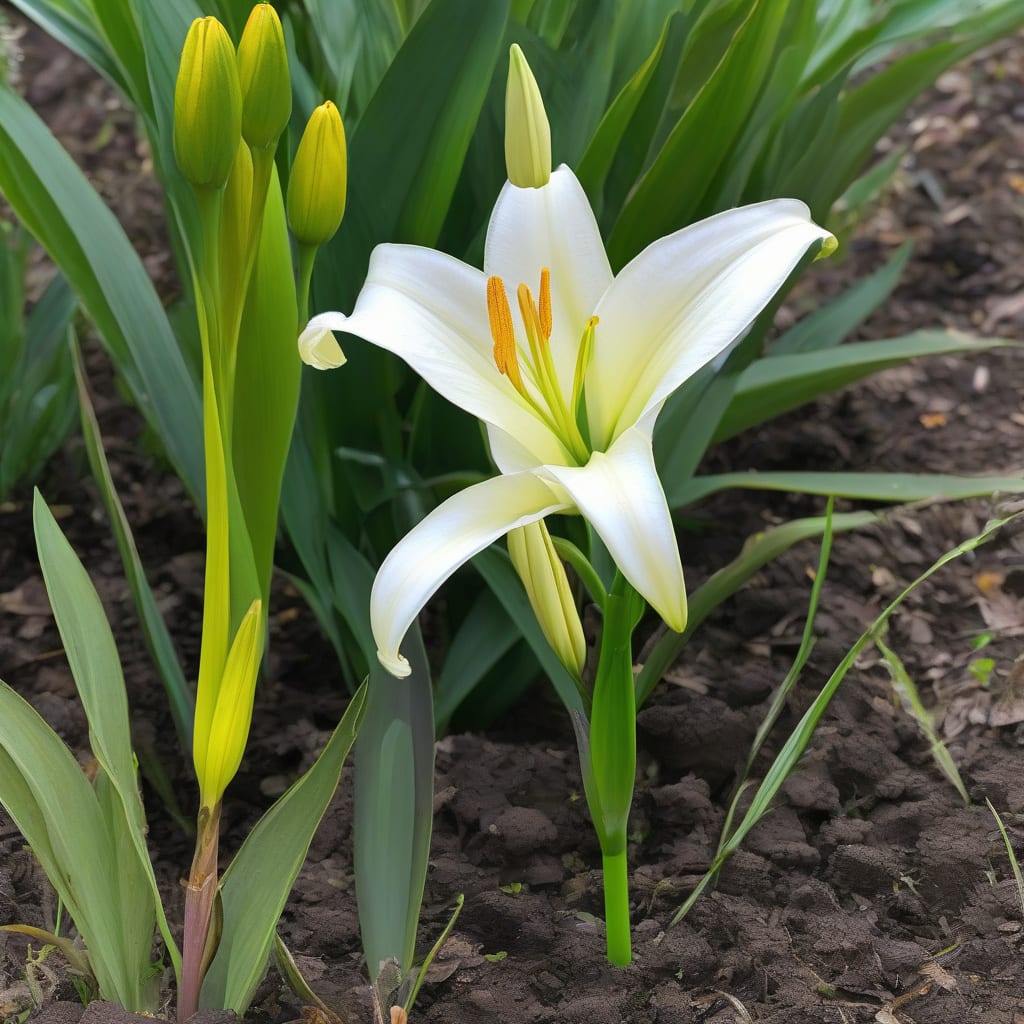
I’ve always been fascinated by the varying heights of lilies 💐 in gardens. Some stand tall, while others remain compact – what’s behind these differences?
Lilies can grow anywhere from 2 to 6 feet tall, depending on factors like species and growing conditions in your USDA Zone 6 garden. Let’s explore what influences their height and how to encourage optimal growth.

I’ve always been fascinated by how tall lilies can grow in different gardens. The height of lilies can vary significantly based on several factors.
Lily height is influenced by species type, growing conditions, and care practices. Let’s explore these factors in more detail to understand what makes lilies grow tall or remain compact.
The species type is a primary factor in determining lily height. Different lily varieties have been bred for specific characteristics, including height. For example, Asiatic lilies tend to be shorter, typically growing between 2-3 feet tall, while Oriental lilies can reach heights of 4-6 feet. This natural variation allows gardeners to choose varieties that fit their garden’s scale and design. 🌼
Growing conditions play a crucial role in how tall lilies will grow. Full sun (at least 6 hours of direct sunlight) and well-draining soil are essential for optimal growth. In ideal conditions, lilies can reach their maximum potential height. Conversely, poor soil quality or insufficient sunlight can stunt their growth, resulting in shorter plants. 🌱
Care practices also significantly impact lily height. Proper watering ensures that lilies receive consistent moisture, especially during the growing season. Fertilization with a balanced, high-phosphorus fertilizer promotes healthy growth and flowering. Additionally, staking tall varieties can prevent them from toppling over in the wind, ensuring they grow upright and maintain their height.
Understanding these factors helps gardeners make informed decisions about lily care and placement in their gardens. By selecting the right species and providing optimal growing conditions, gardeners can encourage their lilies to reach their full height potential.
Lilies are versatile plants that can add both height and beauty to garden displays. Their varying heights make them suitable for different garden designs, from compact borders to expansive landscapes.
In summary, lily height is influenced by a combination of species type, growing conditions, and care practices. By understanding and managing these factors, gardeners can optimize the growth and display of their lilies, creating stunning garden features that enhance their outdoor spaces.
For more specific guidance on managing lily height, exploring additional care tips can help gardeners achieve their desired garden aesthetics and ensure their lilies thrive.
By focusing on the right growing conditions and care practices, gardeners can enjoy the full beauty and potential height of their lilies, making them a standout feature in any garden.
Controlling lily height is crucial for maintaining a visually appealing garden display. By understanding how to manage lily height, gardeners can create a more balanced and attractive garden landscape.
Several factors contribute to lily height, including planting depth, staking, pruning, and soil management. Let’s explore these factors in more detail to understand how they impact lily height.
Plant lily bulbs 3-4 times deeper than the height of the bulb to encourage strong root development and prevent tall, weak stems.
Planting depth is a critical factor in determining lily height. Planting bulbs at the correct depth helps to promote healthy growth and prevent the stems from becoming too tall and leggy.
Staking is another effective way to manage lily height. By providing support for tall lily varieties, gardeners can prevent them from toppling over in the wind, ensuring they remain upright and maintain their height.
Pruning is also an essential technique for controlling lily height. Removing spent flowers and deadheading can help to promote healthy growth and encourage the plant to focus its energy on re-growing and storing energy for next year’s bloom.
Soil management plays a crucial role in lily growth and height. Ensuring the soil is well-draining and rich in organic matter can help to promote healthy root development and prevent waterlogged soil conditions that can lead to root rot.
By implementing these techniques, gardeners can effectively manage lily height and create a more balanced and visually appealing garden display. Whether you’re looking to create a dramatic statement or a subtle accent, controlling lily height is key to achieving your desired garden aesthetic 🌼.
In addition to these techniques, gardeners can also consider using growth regulators to control lily height. These products can help to reduce stem height and promote more compact growth, making them ideal for gardeners who want to maintain a neat and tidy garden.
Overall, controlling lily height requires a combination of good gardening practices and careful planning. By understanding the factors that influence lily height and implementing the right techniques, gardeners can enjoy beautiful, healthy lilies that add beauty and drama to their garden displays 🌻.
Different lily varieties have distinct height characteristics that can help gardeners choose the right plants for their garden design. Understanding these height variations is crucial for creating a balanced and visually appealing garden display.
The height of lilies can vary significantly based on the specific variety. Let’s explore the typical height ranges for some popular lily types to help you plan your garden effectively.
By understanding the height expectations of different lily varieties, gardeners can make informed decisions about plant placement and garden design. This knowledge helps create a harmonious and visually appealing garden that showcases the unique characteristics of each lily type 🌼.
When planning your garden, consider the mature height of the lily variety you’re planting to ensure proper spacing and placement. This will help prevent overcrowding and allow each plant to reach its full potential.
Whether you’re creating a compact border or an expansive landscape, choosing the right lily variety based on its height can enhance the overall aesthetic of your garden. Enjoy experimenting with different types to find the perfect fit for your outdoor space 🌻.
