
Beautiful Plants For Your Interior
Beautiful Plants For Your Interior
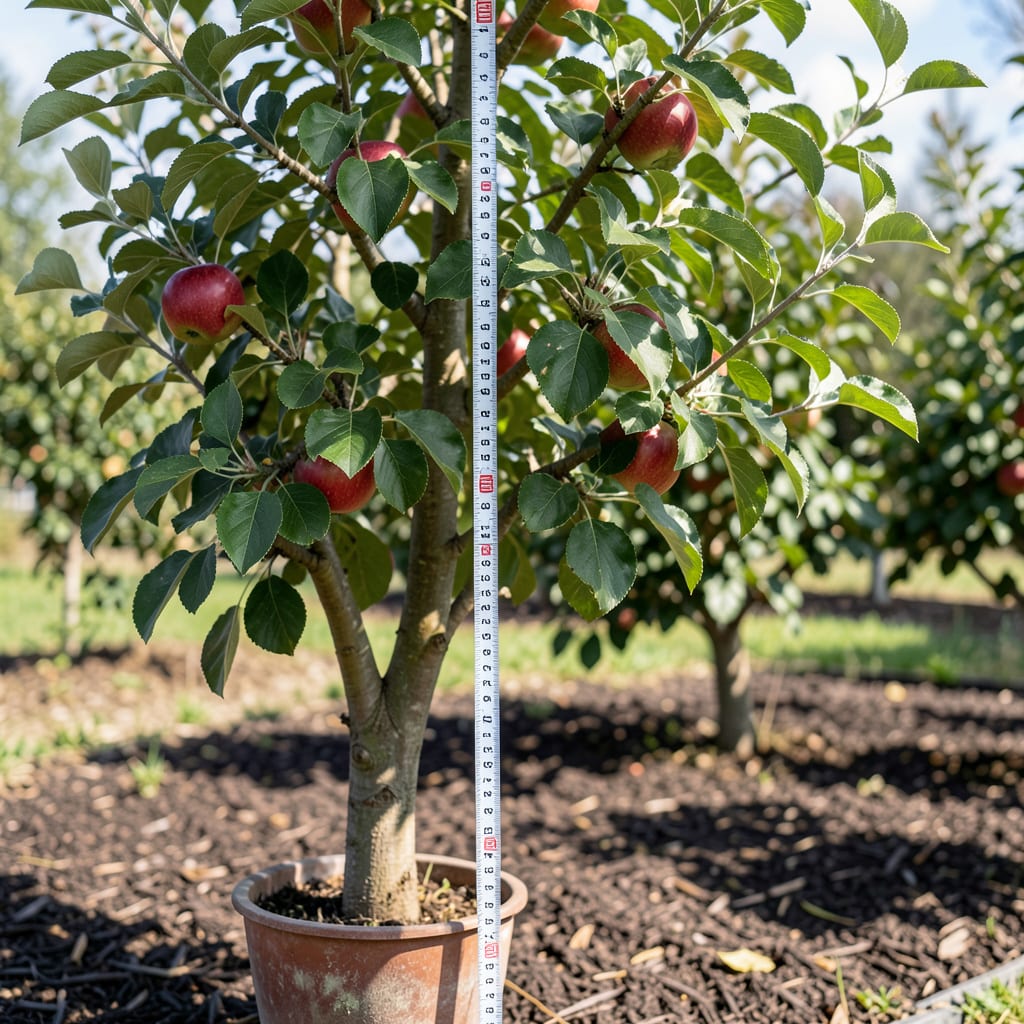
When planting a Granny Smith 🍎 apple tree, understanding its growth potential is crucial for proper planning. These trees can grow quite tall, but their height depends on several factors including rootstock and pruning practices.
Knowing the average height and growth rate helps you make informed decisions about placement and maintenance. Let’s explore what you can expect from your Granny Smith apple tree in terms of size and how to manage it effectively.

Granny Smith apple trees are known for their hardy nature and ability to grow quite tall, but their exact height depends on several key factors. The rootstock plays a crucial role in determining the tree’s overall size, with dwarf rootstocks resulting in significantly shorter trees compared to standard rootstocks.
Soil quality is another critical factor that affects the growth of Granny Smith apple trees. Nutrient-rich soil with good drainage can support healthier growth, while poor soil conditions may limit the tree’s potential height. Regular soil testing and appropriate fertilization can help maintain optimal growing conditions.
The mature height of Granny Smith apple trees varies significantly based on the rootstock used. Standard rootstocks can produce trees that grow 20-25 feet tall, while dwarf varieties typically reach 8-12 feet in height. Semi-dwarf rootstocks fall somewhere in between, usually growing to be 12-18 feet tall.
Pruning practices are essential for managing the height of Granny Smith apple trees. Regular pruning not only helps control the tree’s size but also promotes better fruit production and overall tree health. Proper pruning techniques can make a significant difference in maintaining a manageable tree size while maximizing yield.
In addition to rootstock and pruning, climate conditions such as temperature and sunlight exposure can influence the growth rate of Granny Smith apple trees. Trees grown in optimal conditions with ample sunlight and appropriate temperatures tend to grow more vigorously.
Understanding these growth patterns is crucial for gardeners to plan effectively and ensure their Granny Smith apple trees thrive. By considering factors like rootstock, soil quality, and pruning practices, you can better manage your tree’s growth and enjoy a bountiful harvest.
Granny Smith apple trees are known for their longevity, with some trees living for over 50 years when properly cared for. This makes them a long-term investment for any garden or orchard.
The growth rate of Granny Smith apple trees is generally considered moderate, with young trees growing about 1-2 feet per year under optimal conditions. This growth rate can be influenced by factors such as soil quality, watering, and pruning practices.
To optimize growth, it’s essential to provide Granny Smith apple trees with full sun and well-drained soil. Regular watering and appropriate fertilization also play critical roles in supporting healthy growth.
By understanding and managing the factors that influence the growth of Granny Smith apple trees, gardeners can enjoy a productive and healthy tree for many years. Proper care and maintenance are key to maximizing the tree’s potential height and fruit production.
Overall, Granny Smith apple trees are a rewarding addition to any garden, providing both beautiful blossoms and delicious fruit. With the right care and attention, these trees can thrive and become a cherished part of your outdoor space 🌳.
Pruning is a crucial maintenance task for Granny Smith apple trees, helping to control their height, promote fruiting, and maintain overall tree health. Regular pruning can make a significant difference in managing the tree’s size while maximizing yield.
To effectively prune your Granny Smith apple tree, you’ll need to understand the proper pruning techniques. This includes removing dead or diseased branches, thinning out crowded areas, and shaping the tree to maintain its desired size and promote healthy growth.
Cut off any branches that are dead, diseased, or damaged to prevent the spread of disease and encourage healthy growth.
Selectively remove branches to allow more sunlight to penetrate the tree, promoting better fruit production and reducing the risk of disease.
Prune the tree to maintain its desired size and shape, ensuring it remains balanced and visually appealing.
Pruning should be done annually, typically during the tree’s dormant season, to minimize stress and promote healthy regrowth. Using the right pruning tools and techniques is essential to avoid damaging the tree.
By incorporating regular pruning into your Granny Smith apple tree care routine, you can effectively manage its height, improve fruit quality, and enjoy a more bountiful harvest. Proper pruning practices are key to maintaining a healthy and productive tree 🌳.
The best time to prune Granny Smith apple trees is during late winter or early spring, before new growth begins. This timing helps to minimize the risk of disease and promotes healthy regrowth.
When pruning, it’s essential to make clean cuts just above a bud or lateral branch, using sharp and sterile pruning tools. This helps to promote healthy healing and reduces the risk of disease.
Regular pruning also helps to promote fruiting by allowing more sunlight to reach the fruiting branches. This can lead to improved fruit quality and a more abundant harvest.
In addition to controlling height, pruning helps to maintain tree health by removing diseased or damaged branches. This prevents the spread of disease and encourages healthy growth.
By following these pruning techniques and incorporating them into your annual maintenance routine, you can enjoy a healthy and productive Granny Smith apple tree for many years to come.
When it comes to growing Granny Smith apple trees, one of the most important decisions you’ll make is choosing between dwarf and standard varieties. This choice significantly impacts not only the tree’s height but also its overall space requirements and fruit production capabilities.
Dwarf Granny Smith apple trees are ideal for smaller gardens or spaces where you need to maximize fruit production in a limited area. These trees typically grow to be between 8-12 feet tall, making them perfect for urban gardens or orchards with closer tree spacing.
Standard Granny Smith apple trees, on the other hand, offer a more traditional orchard experience. They can grow significantly taller, reaching heights of 20-25 feet. While they require more space, standard trees can produce a larger overall yield and are often preferred for their natural, full-size tree characteristics.
The choice between dwarf and standard Granny Smith apple trees ultimately depends on your available space and gardening goals. If you have limited space but still want to enjoy a bountiful harvest, dwarf varieties are an excellent choice. For those with more expansive gardens or orchards, standard trees might be more suitable 🌳.
It’s also worth noting that dwarf trees tend to start producing fruit earlier in their lifespan compared to standard trees. However, standard trees can eventually produce more fruit overall as they mature.
When planning your apple tree orchard, consider factors such as pollination requirements, soil conditions, and sunlight availability to ensure optimal growth and fruit production for your chosen variety.
By understanding the differences between dwarf and standard Granny Smith apple trees, you can make an informed decision that best suits your gardening needs and preferences.
The height of a mature Granny Smith apple tree varies depending on the rootstock. Standard trees can grow 20-25 feet tall, while dwarf varieties reach 8-12 feet in height. Semi-dwarf trees fall in between, typically growing to be 12-18 feet tall. Proper pruning can help manage the tree’s size.
Granny Smith apple trees have a moderate growth rate, typically growing about 1-2 feet per year under optimal conditions. Factors like soil quality, watering, and pruning practices can influence their growth rate. Regular care ensures healthy development.
Yes, you can control the height through regular pruning practices. Pruning helps maintain a manageable size, promotes better fruit production, and ensures overall tree health. Annual pruning during the dormant season is recommended.
Dwarf trees are ideal for smaller gardens, growing 8-12 feet tall, while standard trees can reach 20-25 feet and require more space. Dwarf trees produce fruit earlier, but standard trees yield more overall as they mature. Consider your space and goals when choosing.
