
Beautiful Plants For Your Interior
Beautiful Plants For Your Interior
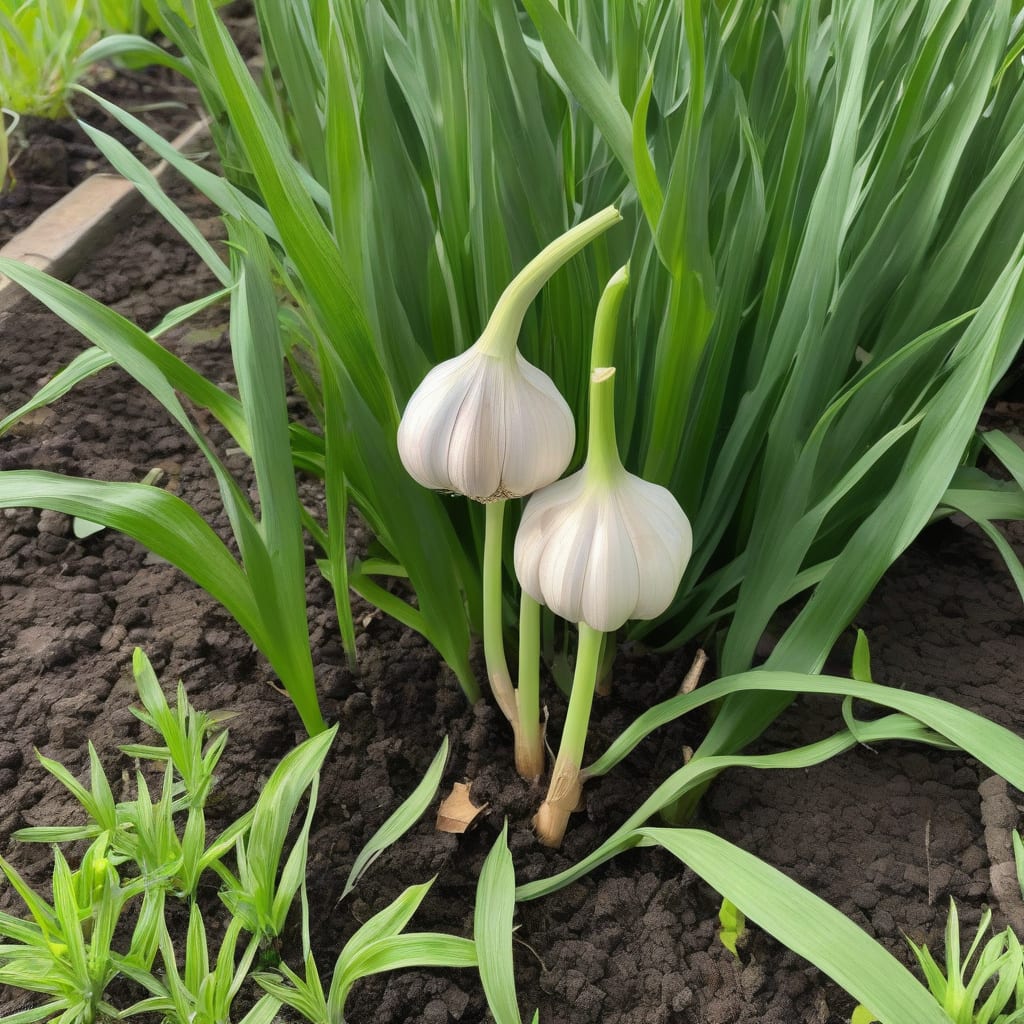
When growing 🧄 garlic, understanding its height is crucial for optimal garden planning. Typically, garlic plants grow between 1-2 feet tall, reaching knee-high at maturity.
Factors like soil quality, sunlight, and watering affect their growth. In USDA Zone 6, planting in fall allows garlic to mature by summer. Proper care ensures healthy development and maximum yield.

1-2 ft

1-2 ft

1-2 ft

1-2 ft
Garlic plants are a rewarding crop to grow in your garden, and understanding their height is crucial for optimal garden planning. The height of garlic plants is a key indicator of their healthy development and successful cultivation.
Typically, garlic plants grow between 1-2 feet tall, reaching knee-high at maturity. This height range allows for easy maintenance and harvesting. Factors like soil quality, sunlight, and watering can affect their growth, making proper care essential.
The average height of garlic plants is influenced by factors such as variety, soil quality, and climate conditions. Understanding these factors helps gardeners optimize growing conditions for their garlic crops.
In USDA Zone 6, garlic is typically planted in the fall, around September or October, allowing it to mature by summer. Proper care during the growing season ensures healthy development and maximum yield.
Garlic plants require consistent moisture, especially during the spring when they’re actively growing. Watering weekly is usually sufficient, but this can vary depending on weather conditions.
Fertilization is another critical aspect of garlic cultivation. A balanced fertilizer applied every 4-6 weeks during the growing season can promote healthy growth and maximize yields.
The light requirements for garlic plants are relatively straightforward: they need full sun to thrive, so a location with 6+ hours of direct sunlight is ideal. This ensures that the plants can undergo photosynthesis efficiently, supporting their growth.
By understanding these key factors and providing optimal growing conditions, gardeners can successfully cultivate garlic plants that reach their full height potential.
Monitoring the height of garlic plants throughout the growing season helps gardeners identify any potential issues early on. This allows for timely interventions to ensure the plants remain healthy and productive.
Garlic plants are relatively low-maintenance, making them an excellent choice for gardeners of all experience levels. With proper care, they can provide a bountiful harvest of delicious, homegrown garlic.
Garlic plant height is influenced by several key factors that gardeners should consider for optimal growth. The variety of garlic being grown plays a significant role in determining its mature height. Some varieties naturally grow taller than others, so understanding the specific characteristics of your garlic variety is essential 🌱.
Soil quality is another critical factor affecting garlic plant height. Garlic prefers well-draining soil rich in organic matter. Soil that is too dense or poorly draining can hinder root development and limit plant growth. Adding compost or well-rotted manure can improve soil structure and fertility, promoting healthier plants.
Sunlight exposure significantly impacts garlic plant height. Garlic needs full sun to thrive, requiring at least 6 hours of direct sunlight per day. Insufficient sunlight can result in weaker, shorter plants. Choosing a garden location that receives ample sunlight is crucial for maximizing garlic plant height 🌞.
Watering practices also affect garlic plant growth. Consistent moisture, particularly during the spring growing season, is vital. Garlic plants need weekly watering in the absence of rainfall. However, overwatering can be detrimental, leading to rot and other diseases. Striking the right balance is key to promoting healthy, tall garlic plants 💧.
Spacing between plants is another important consideration. Planting garlic cloves 4-6 inches apart allows for adequate air circulation and reduces competition for nutrients. Proper spacing helps prevent the spread of disease and ensures that each plant has the resources it needs to reach its full height potential.
The climate and weather conditions in your area also play a role in determining garlic plant height. Garlic is typically planted in the fall and matures by summer. Extreme weather conditions, such as prolonged drought or excessive rain, can impact plant growth. Being aware of your local climate and adapting your gardening practices accordingly can help mitigate these factors.
By understanding and managing these factors, gardeners can create optimal growing conditions for their garlic plants, helping them achieve their full height potential and ensuring a bountiful harvest 🌼.
To maximize garlic plant height, gardeners should focus on providing optimal growing conditions. This includes ensuring proper fertilization, managing pests and diseases, and employing effective pruning techniques.
For maximum height, use balanced fertilizers during the growing season and maintain consistent moisture levels. Regular monitoring for pests and diseases is also crucial.
Fertilization plays a critical role in promoting healthy garlic plant growth. Applying a balanced fertilizer every 4-6 weeks during the growing season can significantly enhance plant height and overall health.
Pest and disease management is another essential aspect of maximizing garlic plant height. Regularly inspect your plants for signs of pests or diseases, and take appropriate action promptly to prevent damage.
Pruning techniques can also influence garlic plant height. While garlic plants do not require extensive pruning, removing any diseased or damaged foliage can help maintain plant health and promote optimal growth.
By implementing these expert tips and tricks, gardeners can create an optimal environment for their garlic plants to thrive, ultimately maximizing their height and yield 🌼.
Regular monitoring and maintenance are key to ensuring that garlic plants reach their full potential. By staying attentive to the needs of your plants, you can enjoy a bountiful harvest of healthy, robust garlic.
