
Beautiful Plants For Your Interior
Beautiful Plants For Your Interior
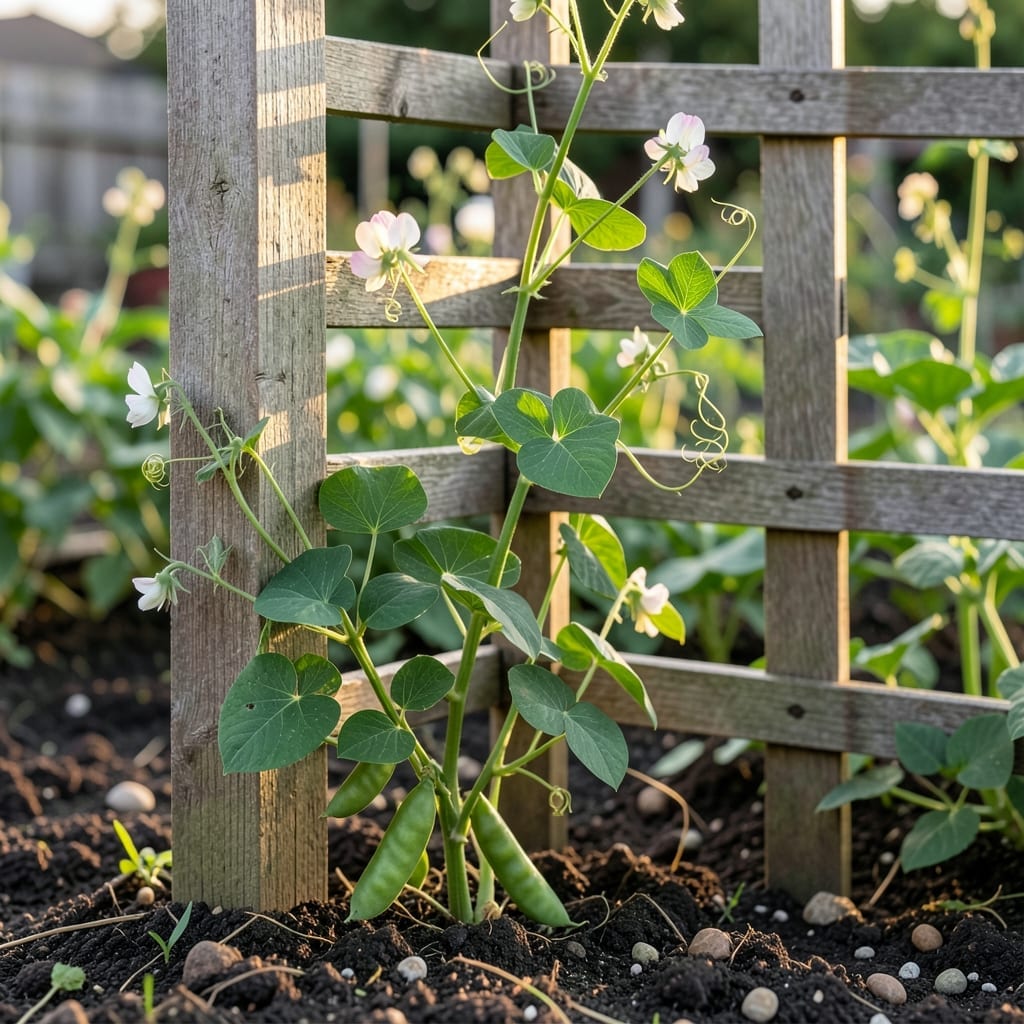
Garden peas are a delightful addition to any home garden, offering sweet flavors and easy growth. But before planting, knowing their expected height helps with spacing and support planning.
I’ve found that 2-6 ft is the typical range for 🌱 Garden Pea, depending on the variety. Some dwarf types stay compact, while others climb tall with proper support.
Discover how soil, sunlight, and trellising can maximize your harvest. Let’s dig into the details that make growing peas a success.


If you’re planning a pea patch, knowing the expected height is key for spacing and supports. Garden peas typically reach 2-6 feet tall, but this varies by type and growing conditions.
Dwarf varieties like ‘Tom Thumb’ stay compact at 1-2 feet, perfect for containers. Meanwhile, climbing types such as ‘Alderman’ can stretch to 6 feet with proper trellising. ☀️
| Variety | Height Range | Support Needed |
|---|---|---|
| Dwarf | 1-2 ft | Optional |
| Semi-Dwarf | 2-4 ft | Recommended |
| Standard | 4-6 ft | Required |
Soil quality directly impacts height. I’ve seen peas in rich, well-draining soil grow 20% taller than those in poor conditions. Aim for a pH of 6.0-7.5 for optimal growth.
Sunlight is another critical factor. Garden peas thrive with 6+ hours of direct sun daily. Shaded plants often remain stunted and produce fewer pods.
Watering plays a role too. Consistent moisture keeps vines growing upward. I water my peas 1 inch per week, more during dry spells. 💧
Variety selection is just as important. ‘Sugar Snap‘ peas, for example, can reach 5-6 feet, while ‘Little Marvel’ tops out at 18-24 inches. Choose based on your space.
Temperature affects height as well. Peas prefer cool weather (60-75°F). In hot climates, they’ll grow slower and stay shorter unless planted in early spring or fall.
For the tallest peas, I recommend trellises or cages. These supports encourage vertical growth and prevent sprawling. Even dwarf types benefit from light staking.
Finally, spacing matters. Crowded plants compete for resources, limiting height. I space seeds 2 inches apart in rows 18-24 inches apart for best results. 🌱
For garden peas that reach 4-6 feet tall, proper support is essential. Without it, vines tangle and growth suffers. I’ve found that trellises keep plants upright and healthy.
Choosing the right system depends on your pea variety’s height. Dwarf types may need minimal support, but taller varieties demand sturdy structures to prevent breakage. 🌿
Spacing supports correctly prevents overcrowding. I place stakes or cages at least 6 inches from seeds to avoid disturbing roots. This gives vines room to twine naturally.
Vertical growth maximizes garden space. I train my peas early, gently weaving tendrils around supports. This encourages stronger stems and better air circulation.
For snow peas or snap peas, which can reach 5-6 feet, I recommend 6-foot trellises. This ensures vines have enough room to climb without topping out.
Regularly check that supports remain secure. Wind or heavy growth can topple weak structures. I reinforce mine with additional ties as plants mature. ✂️