
Beautiful Plants For Your Interior
Beautiful Plants For Your Interior
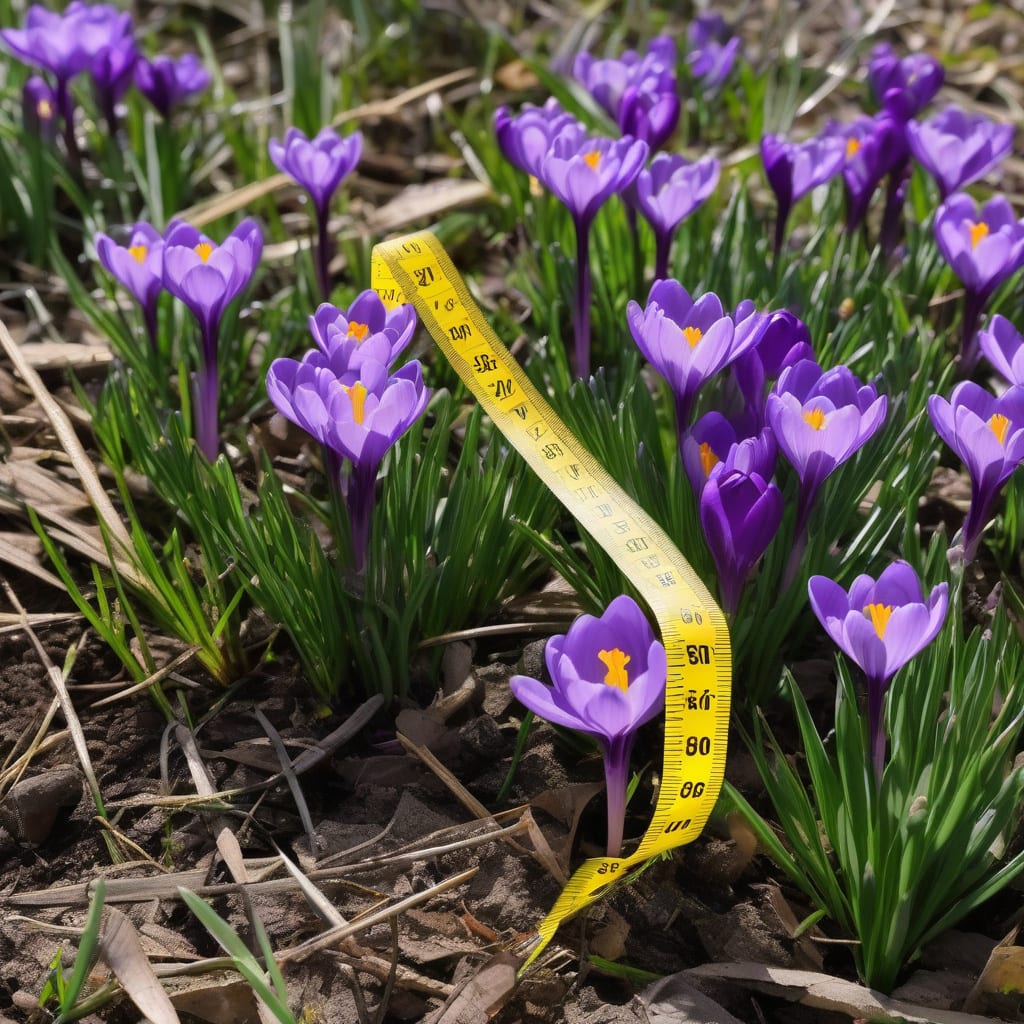
As one of the first signs of spring, Crocus flowers 💐 bring vibrant color to gardens in USDA Zone 6. But have you ever wondered just how tall these beautiful flowers can grow?
The height of Crocus flowers can vary, typically ranging from 4 to 6 inches tall, depending on factors like variety and growing conditions. Let’s explore what affects their growth and how you can help them reach their full potential.

Crocus flowers are known for their small yet vibrant blooms that signal the arrival of spring. Typically, they grow to be between 4 to 6 inches tall, with some varieties reaching heights of up to 8 inches under optimal conditions 🌼.
The height of Crocus flowers can vary based on several factors, including the specific variety and growing conditions. Let’s take a closer look at the typical height range of different Crocus varieties.
As shown in the table, different Crocus varieties have distinct height ranges. The Dutch Crocus is one of the most common varieties and typically grows to be around 4 to 6 inches tall. The Snow Crocus, on the other hand, tends to be slightly shorter, reaching heights of 3 to 5 inches. The Giant Crocus is the tallest, with a height range of 6 to 8 inches 🌱.
It’s worth noting that while these are the typical height ranges for different Crocus varieties, actual growth can be influenced by factors such as soil quality, sunlight, and climate conditions. In the next section, we’ll explore these factors in more detail and how they impact Crocus growth height.
Understanding the typical height range of Crocus flowers can help gardeners plan their garden layouts and ensure that these beautiful blooms get the attention they deserve. Whether you’re growing Dutch, Snow, or Giant Crocus, knowing what to expect can help you create a stunning spring display 💐.
Crocus flowers are not only beautiful but also relatively low maintenance. They naturalize easily and can be left undisturbed for years, making them an excellent choice for gardeners looking to add some early spring color to their landscapes 🌸.
In addition to their height, Crocus flowers are also known for their vibrant colors and delicate petals. They come in a range of colors, including purple, yellow, white, and bi-colored varieties, adding to their appeal in garden settings 🎨.
Growing Crocus flowers can be a rewarding experience, especially when you see them bloom in early spring. Their height may be modest, but their impact on the garden is significant, signaling the end of winter and the beginning of a new growing season 🌻.
To maximize the height and health of your Crocus flowers, it’s essential to provide them with the right growing conditions. This includes planting them in well-draining soil and ensuring they receive adequate sunlight ☀️.
By understanding the factors that affect Crocus growth height and following some simple gardening tips, you can help your Crocus flowers reach their full potential and enjoy a beautiful spring display 🌼.
The height of Crocus flowers can be influenced by several key factors, including soil quality, sunlight, and climate conditions. Understanding these factors can help gardeners create optimal growing conditions for their Crocus plants 🌼.
Soil quality plays a significant role in determining the height of Crocus flowers. Crocus bulbs prefer well-draining soil that is rich in organic matter. Poor soil quality can lead to stunted growth and reduced flowering 🌿.
Crocus bulbs can naturalize easily and come back year after year if provided with the right growing conditions. Proper soil preparation is key to their success 🌱.
Sunlight is another critical factor that affects Crocus growth height. Crocus plants prefer full sun to partial shade, with at least 6 hours of direct sunlight per day. Inadequate sunlight can result in weak and spindly growth ☀️.
Climate conditions, including temperature and moisture levels, also impact Crocus growth height. Crocus bulbs thrive in cool, moist conditions during their growing season. Extreme temperatures and drought can negatively affect their growth ❄️.
By understanding these factors and providing optimal growing conditions, gardeners can help their Crocus plants reach their full height potential and enjoy a vibrant spring display 🌸.
In addition to these factors, planting depth and fertilization can also impact Crocus growth height. Planting bulbs at the correct depth and providing appropriate fertilization can support healthy growth and flowering 🌻.
To maximize Crocus height, gardeners should also consider watering and mulching. Adequate moisture during the growing season and a layer of mulch to retain moisture and regulate soil temperature can be beneficial 🌿.
By taking these factors into account and following best practices for Crocus care, gardeners can enjoy a stunning display of these beautiful flowers in early spring 💐.
To help your Crocus flowers reach their full height potential, follow these practical gardening tips. First, ensure you’re planting the bulbs at the correct depth – typically 3-4 inches deep and spaced about 3-4 inches apart. This allows for proper root development and growth 🌼.
Plant Crocus bulbs 3-4 inches deep to support healthy root development and maximize height.
Water your Crocus bulbs well after planting and keep the soil moist during the growing season. Avoid overwatering, which can lead to rot 💧.
Apply a balanced fertilizer after planting to provide essential nutrients for healthy growth and flowering 🌿.
By following these simple tips, you can help your Crocus flowers reach their maximum height and enjoy a vibrant display in early spring.
Crocus flowers are not only beautiful but also relatively low maintenance. They naturalize easily and can be left undisturbed for years, making them an excellent choice for gardeners looking to add some early spring color to their landscapes 🌻.
To further maximize Crocus height, consider mulching around the plants to retain moisture and regulate soil temperature. This can be particularly beneficial in areas with extreme temperature fluctuations ❄️.
