
Beautiful Plants For Your Interior
Beautiful Plants For Your Interior
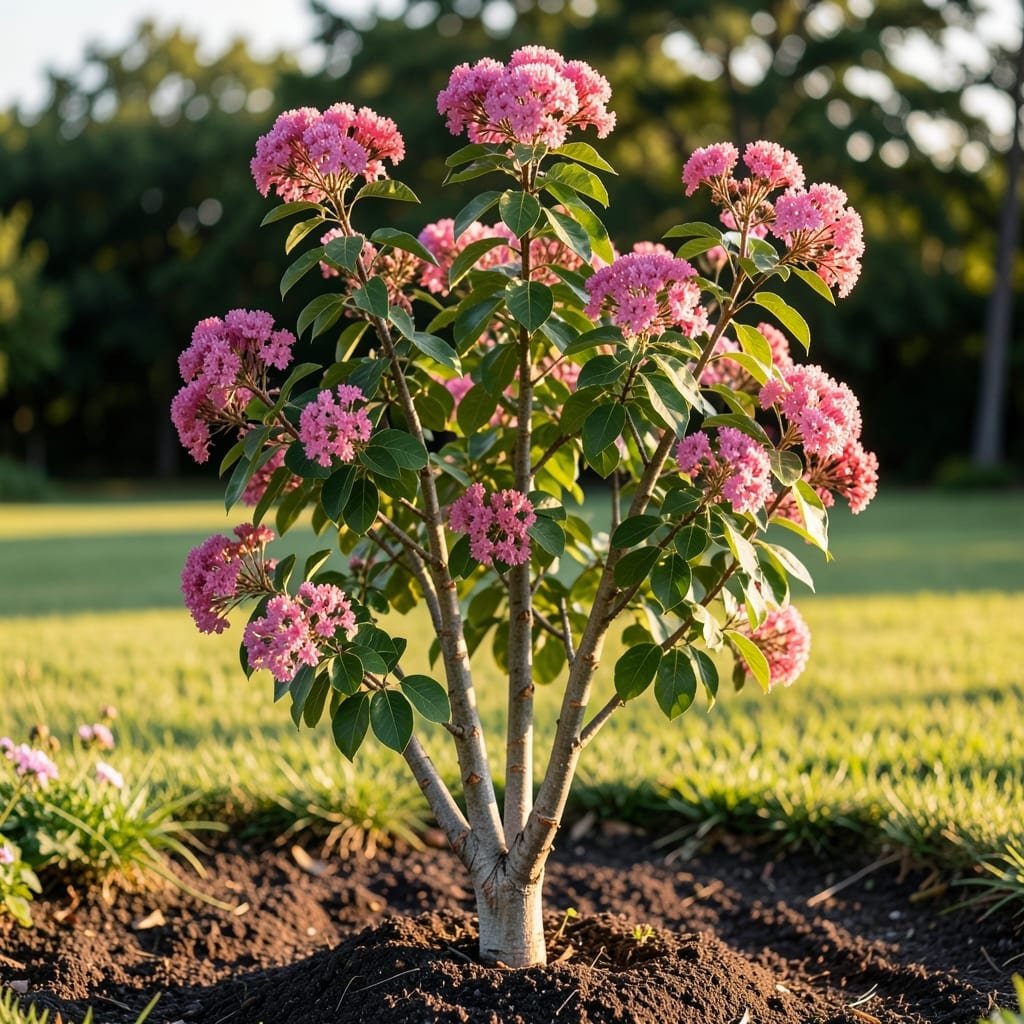
Crape myrtles bring stunning summer color to any landscape, but their size can vary dramatically. The 🌳 Crape Myrtle you plant today might stay small or grow into a towering centerpiece.
Choosing the right variety for your space is the key to avoiding future headaches. Some stay compact at 3-5 feet, while others can reach 25 feet or more.
Let me walk you through how to pick the perfect size and what to expect as your Crape Myrtle matures. You’ll be surprised at the options available.


When I first started growing crape myrtles, I was amazed by the height diversity across varieties. Some stay tiny, while others become towering trees in just a few years.
Your landscape goals will determine which size works best. Dwarf types fit small spaces, while larger cultivars create dramatic focal points in bigger yards.
The dwarf varieties like ‘Razzle Dazzle’ are perfect for container gardening or small borders. They typically max out at 3-5 feet tall.
For medium spaces, I recommend semi-dwarf types like ‘Acoma’. These reach 6-12 feet and work well as privacy screens or foundation plants.
Standard crape myrtles like ‘Natchez’ can grow 15-25 feet tall. They make excellent shade trees and street plantings where space allows.
The tree-form varieties are the giants, often exceeding 30 feet. These need plenty of room to spread their branches and show off their exfoliating bark.
I’ve found that ‘Muskogee’ stays true to its 20-foot potential in ideal conditions. Its lavender blooms and cinnamon bark make it a garden standout.
Remember that pruning affects height. Regular trimming can keep larger varieties smaller, but it may reduce flower production. I always aim to balance size with bloom quality.
For urban gardens, the ‘Pocomoke’ dwarf at just 3 feet tall brings color without overwhelming the space. It’s one of my favorite compact choices for patios.
I’ve learned that several key factors determine how tall your crape myrtle will grow. Climate plays a huge role, with warmer zones producing taller plants more quickly.
Soil quality and drainage also impact growth. Poor soil may stunt development, while rich, well-draining soil encourages maximum height potential.
In my experience, regular watering during the first two years helps establish a strong root system, which supports taller growth later on. Drought stress can limit height potential.
Pruning is where many gardeners go wrong. Heavy pruning can keep plants smaller, but I recommend minimal pruning to maintain natural shape and maximum bloom production.
Sunlight is non-negotiable. These plants need 6+ hours of direct sun daily. Shade will result in shorter, leggy growth with fewer flowers.
I’ve noticed that crape myrtles in protected microclimates often grow taller than those in exposed, windy locations. Wind can stress the plant and limit its vertical growth.
For the tallest possible crape myrtles, plant in full sun with rich soil and consistent moisture. This combination helps them reach their genetic potential 🌳