
Beautiful Plants For Your Interior
Beautiful Plants For Your Interior
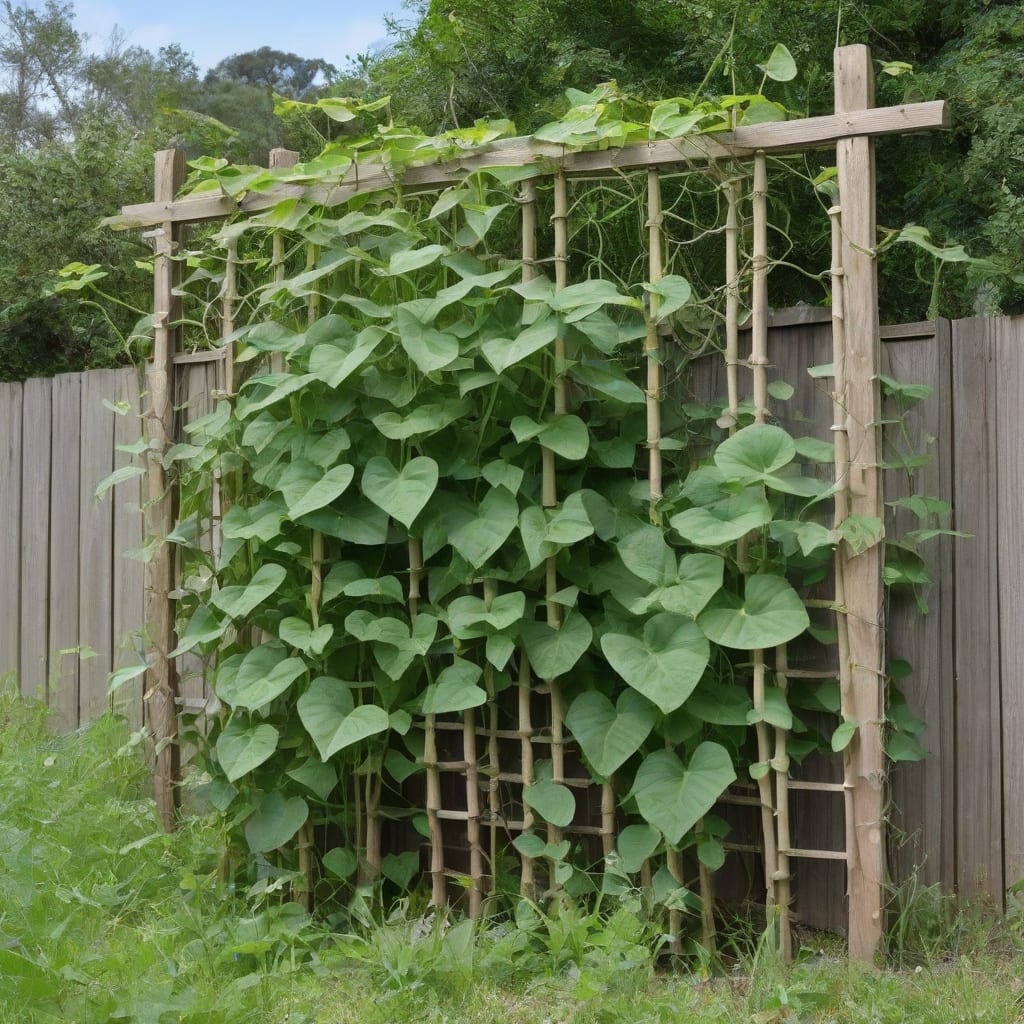
Cowpeas 🌽 are a versatile crop that can add both beauty and nutrition to your garden. Their height can vary significantly based on the variety and growing conditions.
Understanding how tall cowpeas can grow is essential for providing the right support and maximizing your harvest. Let’s explore the growth habits of cowpeas and what you can expect in your garden in USDA Zone 6.


Cowpeas are a versatile crop that can grow in various garden settings. Their height can vary significantly based on the variety and growing conditions. Understanding how tall cowpeas can grow is essential for providing the right support and maximizing your harvest 🌽.
In general, cowpeas are known to be a climbing crop that can reach impressive heights. The height of cowpea plants is influenced by factors such as soil quality, climate, and cultivation practices. Let’s explore the different types of cowpeas and their growth characteristics.
The height of cowpea plants can range from 2 to 6 feet, depending on the variety. Dwarf varieties tend to be more compact, while climbing varieties can grow much taller. Understanding the specific growth habits of your cowpea variety is crucial for providing the right support.
Climbing cowpeas require a trellis or other support to reach their full height. Without support, they may spread along the ground, which can lead to reduced yields and increased disease susceptibility.
To maximize yields, it’s essential to understand the growth characteristics of your chosen cowpea variety. This includes understanding their height potential, growth rate, and any specific support requirements.
Cowpeas are a warm-season crop that thrive in USDA Zone 6. They are typically planted in late spring to early summer, when the soil has warmed to at least 65°F.
The ideal planting time for cowpeas in Zone 6 is usually around late May to early June. This allows the plants to mature during the warm summer months.
In terms of height comparison, cowpeas can grow taller than a typical garden fence, which is usually around 3-4 feet tall. This means that taller varieties may require additional support to prevent them from becoming too leggy or top-heavy.
Overall, understanding the growth habits and heights of cowpeas is essential for successful cultivation. By choosing the right variety and providing the necessary support, you can enjoy a bountiful harvest of delicious cowpeas 🌼.
Cowpeas are a versatile and nutritious crop that can add both beauty and nutrition to your garden. With proper care and support, they can thrive in a variety of garden settings.
By
Cowpea plant height is influenced by several key factors that every gardener should understand. The variety of cowpea being grown plays a significant role in determining its height, with climbing varieties generally growing taller than dwarf or semi-dwarf types 🌽.
Soil quality is another critical factor affecting cowpea height. Rich, well-draining soil with adequate nutrients supports healthier plant growth and can lead to taller plants. Soil pH also matters, as cowpeas prefer slightly acidic to neutral soil (pH 6.0-7.0).
Optimal soil conditions and proper support can significantly impact cowpea plant height and overall yield.
Climate conditions also significantly impact cowpea growth. Cowpeas thrive in warm temperatures between 65°F and 85°F (18°C to 30°C). Extreme weather conditions, such as prolonged drought or excessive rainfall, can stress the plants and affect their height.
Cultivation practices, including spacing and fertilization, play a role in determining cowpea height. Proper spacing allows for good air circulation and reduces disease risk, while balanced fertilization supports healthy growth without promoting excessive foliage at the expense of pod production.
Understanding these factors helps gardeners create optimal growing conditions for their cowpeas. By controlling what they can – like soil quality and support – gardeners can maximize their cowpea plants’ growth potential and enjoy a more bountiful harvest 🌼.
The height of cowpea plants can be managed through pruning and training. For climbing varieties, providing a trellis or other support is essential to help them reach their full height potential.
By considering these factors and adjusting their gardening practices accordingly, gardeners can optimize the growth and yield of their cowpea plants.
Cowpeas are a resilient crop that can adapt to various growing conditions, making them a great choice for many gardeners.
Cowpeas are a versatile crop that benefits from proper support to maximize their yield. Providing the right support is crucial, especially for climbing varieties that can grow quite tall 🌽.
One of the most effective ways to support cowpea growth is by using a trellis or other structural support. This allows the plants to climb and reach their full height potential, leading to a more bountiful harvest.
Use a sturdy trellis that can support the weight of the plants and their pods. Train the vines to climb the trellis for better air circulation and reduced disease risk.
In addition to providing structural support, it’s essential to ensure that your cowpeas are receiving optimal growing conditions. This includes providing full sun, well-draining soil, and adequate nutrients.
Regular watering is also crucial for cowpea growth. Keep the soil consistently moist, but not waterlogged, to promote healthy plant development.
By providing the right support and growing conditions, you can maximize your cowpea yield and enjoy a bountiful harvest 🌼.
Cowpeas are a rewarding crop to grow, and with proper care, they can thrive in a variety of garden settings.
