
Beautiful Plants For Your Interior
Beautiful Plants For Your Interior
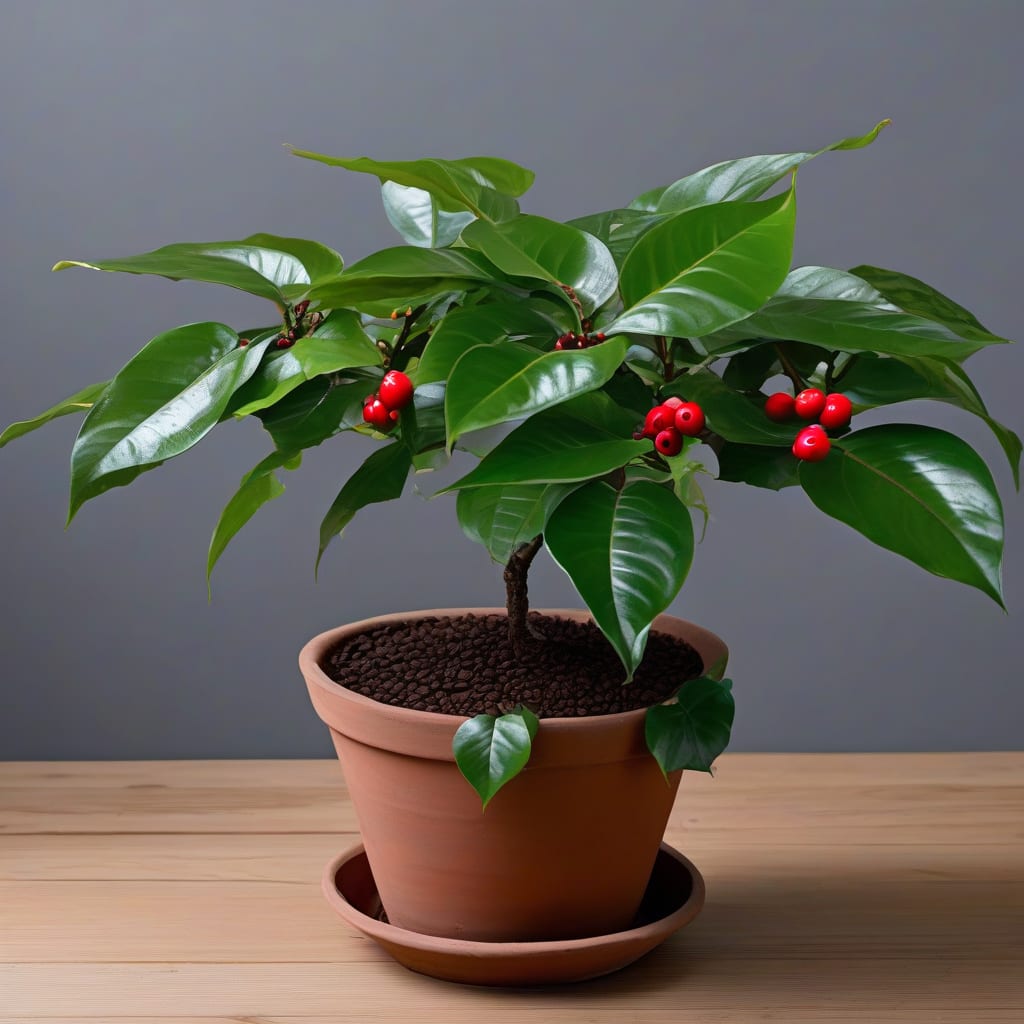
Coffee plants ☕️ can transform your garden into a tropical paradise, but have you ever wondered how tall they can grow? Understanding their growth habits is crucial for successful cultivation, especially in USDA Zone 10 where they thrive year-round.
These beautiful plants can reach heights of 5 to 15 feet, making them a stunning addition to any garden. Let’s explore what factors influence their growth and how you can optimize their development for maximum yield.


Coffee plants are known for their ability to grow quite tall, with heights ranging from 5 to 15 feet in ideal conditions. The height of a coffee plant is influenced by various factors including the specific variety, growing conditions, and cultivation practices.
The natural growth pattern of coffee plants is typically upright, with a single main stem that can grow quite tall if not pruned. In their natural habitat, coffee plants can reach heights of up to 15 feet, but in cultivation, they are often maintained at a more manageable height through pruning 🌿.
Coffee plants typically start producing fruit within 3-5 years after planting, with the fruiting stage continuing for many years. The height of the plant can impact its productivity and ease of harvesting.
Understanding these growth characteristics is essential for coffee plant care. Proper management of plant height through pruning and training can significantly impact overall plant health and yield.
Several factors influence coffee plant height, including genetic variety, environmental conditions, and cultivation practices. Let’s explore these factors in more detail to better understand how they impact coffee plant growth.
The genetic makeup of the coffee plant variety plays a significant role in determining its potential height. Some varieties are naturally more compact, while others can grow quite tall. Environmental conditions such as light exposure, temperature, and soil quality also significantly impact plant height.
For example, coffee plants grown in partial shade tend to grow taller than those exposed to full sun. Temperature and soil conditions also play crucial roles in determining plant height and overall health.
Cultivation practices, particularly pruning, are essential for managing coffee plant height. Regular pruning not only controls the plant’s height but also promotes healthier growth and better fruit production.
By understanding these factors and how they influence coffee plant height, growers can make informed decisions about plant care and management. This knowledge is crucial for optimizing growing conditions and achieving maximum yield from coffee plants.
In conclusion, coffee plants can grow quite tall, but their height can be effectively managed through proper care and cultivation practices. By understanding the factors that influence their growth, growers can optimize their care strategies to achieve healthy, productive plants.
Coffee plants require regular maintenance to control their height and promote healthy growth. Proper pruning techniques are essential for managing coffee plant height while maintaining productivity 🌿.
Pruning helps control the plant’s size, encourages new growth, and improves fruit production. Let’s explore effective pruning methods and training techniques for coffee plants.
Start by removing any dead, diseased, or damaged branches to prevent the spread of disease and encourage healthy growth.
Thin out the center of the plant to allow more light to penetrate and improve air circulation, promoting healthier growth.
Shape the plant by cutting back tall branches to maintain a desired height and promote a balanced structure.
Training techniques, such as pruning lateral branches, can also help manage the plant’s height and improve its overall structure. By combining effective pruning and training methods, growers can maintain healthy, productive coffee plants at a manageable height.
Regular maintenance is key to successful coffee plant cultivation. By understanding and implementing proper pruning and training techniques, you can enjoy a bountiful harvest while keeping your plants healthy and thriving.
The benefits of proper pruning include increased fruit production, improved plant health, and easier harvesting. By incorporating these techniques into your coffee plant care routine, you can optimize your plant’s growth and productivity.
In addition to pruning, consider the overall growing conditions for your coffee plants. Factors such as light exposure, temperature, and soil quality also play crucial roles in determining plant height and overall health.
By combining effective pruning and training techniques with optimal growing conditions, you can achieve healthy, productive coffee plants that thrive in your garden.
Coffee plants require specific growing conditions to thrive and reach their full height potential. Understanding these environmental factors is crucial for optimizing plant growth and productivity.
The right light exposure is essential for coffee plants. They prefer partial shade, typically 4-6 hours of indirect sunlight per day. Direct sunlight can cause leaf scorch, while too little light can lead to weak and spindly growth 🌞.
Coffee plants thrive in temperatures between 65-75°F, with consistent moisture and high humidity. Well-draining acidic soil with a pH between 5.5-6.5 is ideal for optimal growth.
Temperature is another critical factor. Coffee plants thrive in temperatures between 65-75°F (18-24°C). Avoid exposing them to temperatures below 55°F (13°C) or above 85°F (29°C), as this can cause stress and impact growth ❄️.
Soil quality also plays a significant role in coffee plant development. Use well-draining, acidic soil with a pH between 5.5 and 6.5. Incorporate organic matter like compost to improve soil fertility and drainage 🌱.
Watering practices are vital for maintaining healthy coffee plants. Water them regularly, ensuring the soil remains consistently moist but not waterlogged. Adjust your watering schedule based on the plant’s needs and environmental conditions 💧.
By optimizing these growing conditions, you can promote healthy growth and maximize the height potential of your coffee plants. This, in turn, can lead to more abundant fruit production and a more robust plant overall.
