
Beautiful Plants For Your Interior
Beautiful Plants For Your Interior
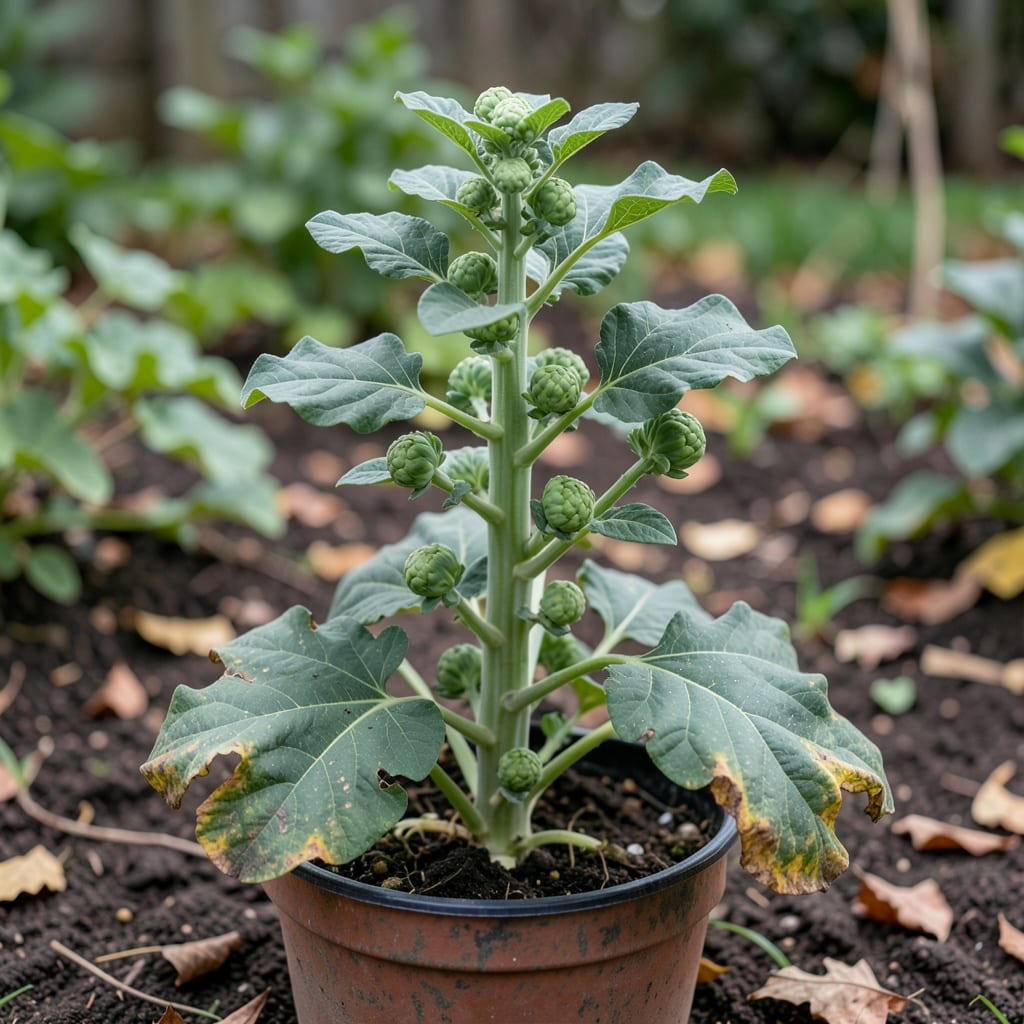
When growing Brussels sprouts 🥦, understanding their height is crucial for planning garden space. These plants can grow between 1.5 to 3 feet tall, depending on the variety and growing conditions.
In USDA Zone 6, where they’re typically planted in spring, Brussels sprouts can reach their full height by the time they’re ready to harvest between July and October. Proper spacing and care can help you maximize their growth.


Brussels sprouts are a cool-season crop that can grow quite tall, typically reaching heights between 1.5 to 3 feet. The exact height depends on factors such as the variety, growing conditions, and care provided. Understanding these growth patterns is essential for gardeners to plan their garden space effectively and maximize their yield 🌱.
Brussels sprouts plants develop in stages, starting with a rosette of leaves at the top, followed by the formation of sprouts along the stem. The height of the plant is influenced by factors like soil quality, sunlight exposure, and watering practices. Proper care can help achieve optimal growth and maximize the plant’s height.
The height of Brussels sprouts plants is a critical factor in their growth and development. Generally, these plants can grow between 1.5 to 3 feet tall. The dwarf varieties tend to be shorter, typically ranging from 2 to 2.5 feet, while standard varieties can reach the upper end of the height range, often growing up to 2.5 to 3 feet tall.
Several factors influence the height of Brussels sprouts plants, including soil quality, sunlight exposure, and watering practices. Soil rich in organic matter and consistent moisture can support healthier growth and potentially taller plants. Conversely, poor soil conditions or inadequate watering can stunt growth and result in shorter plants.
The growth stages of Brussels sprouts also play a role in their overall height. The plants start with a rosette of leaves at the top, which is followed by the formation of sprouts along the stem. As the sprouts develop, the stem elongates, contributing to the plant’s overall height. Proper care, including regular fertilization and pest management, can help achieve optimal growth.
In USDA Zone 6, Brussels sprouts are typically planted in early spring, around March or April. By the time they are ready to harvest, usually between July and October, the plants have reached their full height. Gardeners should consider the mature height of the plants when planning their garden layout to ensure adequate space for growth.
Understanding the growth habits of Brussels sprouts is crucial for maximizing yield. The plants require full sun and consistent moisture to thrive. Gardeners should also be aware of the harvest signs, such as when the lower sprouts are firm and 2-3 inches in diameter, to ensure they pick the sprouts at the right time.
By providing the right growing conditions and care, gardeners can optimize the height and yield of their Brussels sprouts. This includes maintaining well-drained soil, ensuring adequate spacing between plants, and monitoring for pests and diseases. With proper management, Brussels sprouts can be a rewarding crop, providing a bountiful harvest of delicious sprouts 🌿.
Brussels sprouts are a versatile vegetable that can be used in various culinary dishes. Their growth habits and height are influenced by a combination of genetic and environmental factors. Gardeners can influence the height through pruning practices and support if necessary.
Overall, Brussels sprouts are a valuable addition to any garden, offering both nutritional benefits and culinary versatility. Their height, while variable, is an important aspect of their growth that gardeners should consider when planning and managing their garden.
Brussels sprouts growth is influenced by several key factors that affect both plant height and overall yield. Understanding these elements helps gardeners create optimal growing conditions for their crops 🌿.
The height of Brussels sprouts plants is primarily influenced by soil quality, sunlight exposure, and watering practices. Soil rich in organic matter and maintained at consistent moisture levels supports healthier plant growth and can result in taller plants.
Brussels sprouts require full sun to grow properly. Aim for at least 6 hours of direct sunlight daily to promote healthy growth and maximize height 🌞.
Soil quality plays a crucial role in determining Brussels sprouts height. The plants thrive in well-drained soil rich in organic matter. Gardeners should ensure their soil has adequate nutrient content, particularly nitrogen, to support leafy growth and overall plant development.
Sunlight exposure is another critical factor. Brussels sprouts require full sun to grow properly. Gardeners should choose a location that receives at least 6 hours of direct sunlight daily. Insufficient sunlight can lead to leggy growth and reduced yields.
Watering practices also significantly impact Brussels sprouts growth. Consistent moisture is essential, especially during dry spells. Gardeners should aim to keep the soil evenly moist but not waterlogged, as excessive moisture can lead to root rot and other issues 💧.
The spacing between plants is another factor that affects Brussels sprouts height and yield. Proper spacing allows for adequate air circulation, reducing the risk of disease, and ensures that each plant receives sufficient sunlight and nutrients. Typically, Brussels sprouts should be spaced about 18-24 inches apart.
By understanding and managing these factors, gardeners can create an optimal environment for their Brussels sprouts, promoting healthy growth and maximizing both plant height and yield. Regular monitoring and adjustments to these factors can help achieve the best possible results 🌼.
Maintaining the right balance of these factors is key to successful Brussels sprouts cultivation. Gardeners should be aware of the specific needs of their plants and be prepared to make adjustments as necessary to optimize growth.
With proper care and attention to these critical factors, Brussels sprouts can be a rewarding crop, providing a bountiful harvest of delicious sprouts that are perfect for a variety of culinary dishes 🥦.
To maximize Brussels sprouts growth and harvest, gardeners should focus on proper pruning techniques, regular fertilization, and effective pest management strategies. These practices help optimize plant height and yield, ensuring a bountiful harvest 🌿.
Remove lower leaves to promote air circulation and reduce disease risk. This also helps the plant focus its energy on sprout production.
Use a balanced fertilizer (10-10-10 NPK) every 4-6 weeks to support healthy growth. This ensures the plants receive necessary nutrients for optimal development.
Regularly inspect plants for signs of pests like aphids or cabbage worms. Use organic pest control methods whenever possible to protect beneficial insects.
By implementing these expert tips, gardeners can significantly improve the health and productivity of their Brussels sprouts plants. Proper care and attention to detail are key to achieving a successful harvest 🌼.
Brussels sprouts are a cool-season crop that benefits from consistent care throughout their growing season. By following these guidelines, gardeners can enjoy a rewarding harvest of delicious, nutritious sprouts 🥦.
Maximizing Brussels sprouts growth requires a combination of good gardening practices and attention to the specific needs of the plants. With the right care, these plants can thrive and provide a bountiful harvest.
Gardeners should remain vigilant and proactive in managing their Brussels sprouts crop. Regular monitoring and timely interventions can make a significant difference in the overall health and productivity of the plants.
Brussels sprouts typically grow between 1.5 to 3 feet tall, with dwarf varieties reaching 2-2.5 feet and standard varieties growing up to 2.5-3 feet. Proper care and conditions can help achieve optimal height .
The height of Brussels sprouts is influenced by soil quality, sunlight exposure, and watering practices. Soil rich in organic matter and consistent moisture support healthier growth and potentially taller plants .
To maximize growth, focus on proper pruning techniques, regular fertilization, and effective pest management strategies. These practices help optimize plant height and yield, ensuring a bountiful harvest .
Harvest Brussels sprouts when the lower sprouts are 2-3 inches in diameter and feel firm. This usually occurs between July and October, depending on the variety and growing conditions .
