
Beautiful Plants For Your Interior
Beautiful Plants For Your Interior
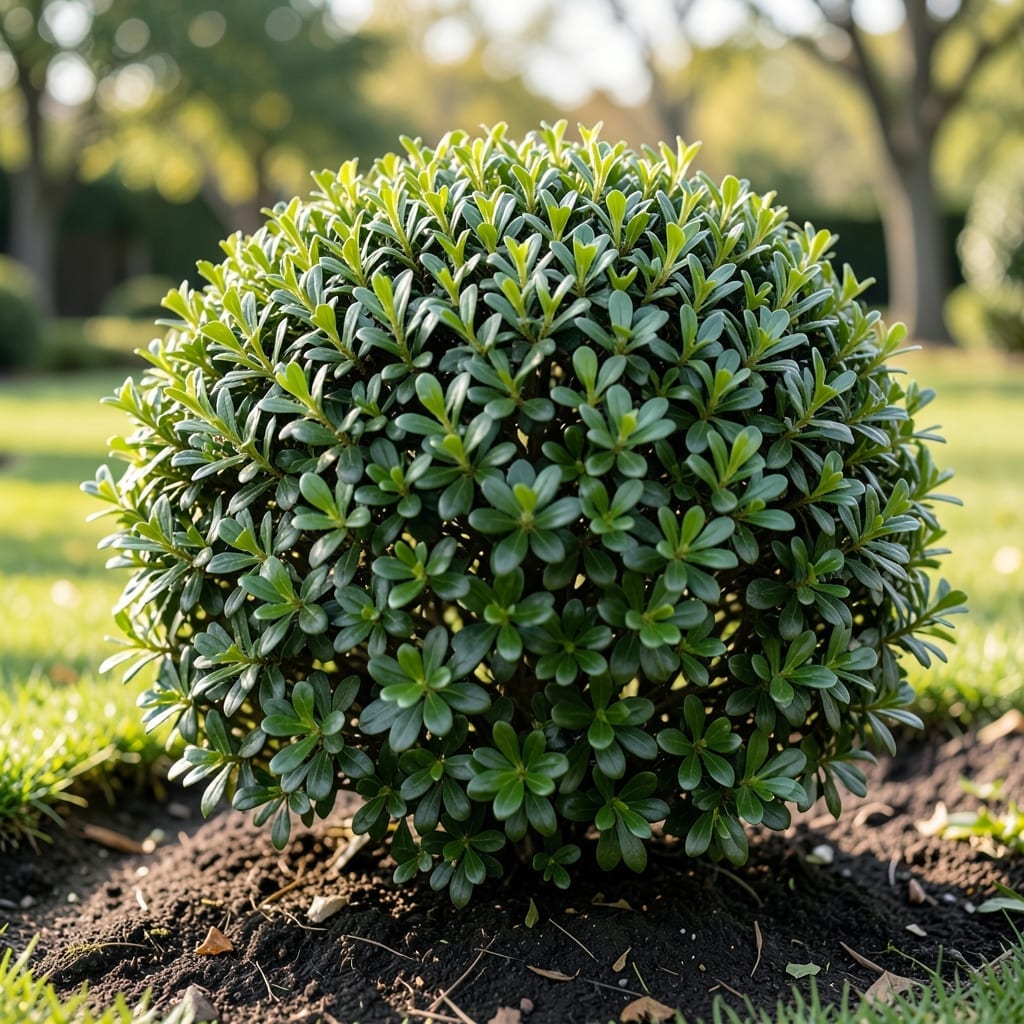
Boxwoods are a gardener’s favorite for their versatility, but their mature height varies dramatically by variety—from compact dwarf shrubs to towering hedges.
Knowing how tall your 🌿 Boxwood will grow is the key to planning the perfect landscape. Whether you’re designing a low border or a privacy screen, size matters.
I’ll break down the typical height ranges for popular varieties and share tips to control growth. Let’s find your ideal match.


Boxwoods come in a surprising range of sizes, making them perfect for everything from low borders to tall privacy screens. The key is knowing which variety fits your space.
I’ve seen dwarf boxwoods stay under 2 feet, while standard types can reach 15 feet if left unpruned. Your choice depends on the look you want.
| Variety | Mature Height | Best For |
|---|---|---|
| Dwarf English | 2-3 ft | Borders, containers |
| Green Velvet | 3-4 ft | Hedges, foundation plantings |
| Winter Gem | 4-6 ft | Mid-height screens |
| American | 8-15 ft | Privacy hedges, tall backdrops |
The Dwarf English boxwood is my go-to for edging pathways. It stays compact and only needs light pruning to maintain its shape.
For a classic hedge, Green Velvet is a popular pick. It reaches about 3-4 feet and has a neat, rounded form without much effort.
If you need more height, Winter Gem grows to 4-6 feet and handles cold climates well. It’s a great middle-ground option.
The American boxwood is the giant of the group, capable of hitting 15 feet. I’ve seen these used as natural fences in older landscapes.
Remember, these are mature heights. Most boxwoods grow 6-12 inches per year, so plan for their future size, not just their current look.
Pruning is your best tool to control height. I recommend annual trimming in late winter or early spring to keep them at your desired size.
Soil and sunlight also play a role. Boxwoods in full sun may grow taller faster, while those in shade stay more compact. Always consider your site conditions.
🌿While genetics set the baseline, several environmental factors can make your boxwood grow taller or stay smaller than expected. I’ve seen the same variety reach different heights in various conditions.
Sunlight exposure is a major player. Boxwoods in full sun often grow faster and taller than those in shade, which tend to stay more compact.
Soil type makes a difference. Boxwoods thrive in loamy, well-drained soil with a slightly acidic to neutral pH. Poor soil can limit growth potential significantly.
Watering practices also impact height. While boxwoods are drought-tolerant once established, consistent watering during the first year helps them reach their full height potential.
I always recommend annual pruning to maintain your desired height. The best time is late winter before new growth starts. This keeps them looking neat while controlling size.
In my experience, container-grown boxwoods stay smaller than those planted in the ground due to root restriction. If you want maximum height, give them room to spread their roots.
Finally, remember that microclimates in your yard can affect growth. A sheltered, sunny spot might produce a taller plant than an exposed, windy location.
🌿