
Beautiful Plants For Your Interior
Beautiful Plants For Your Interior
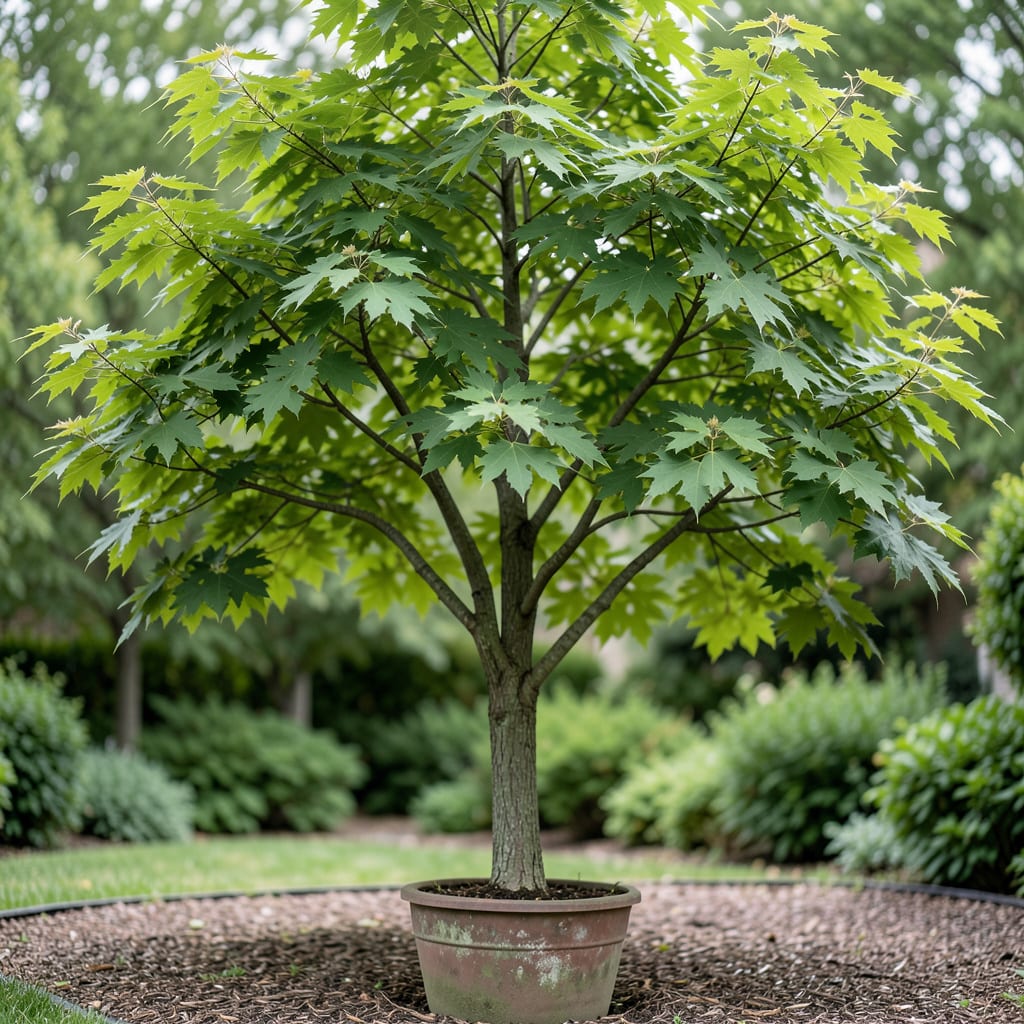
I’ve always been fascinated by the rapid growth of Box Elder trees 🌳. These trees can quickly become a stunning feature in any landscape, but understanding their height potential is crucial for proper planning.
Box Elder trees can grow between 30 to 70 feet tall, making them a significant presence in any environment. Let’s explore what affects their growth and how to care for them.


Box elder trees are known for their rapid growth and adaptability, but several factors influence their maximum height potential. Understanding these factors is crucial for proper landscape planning and tree care 🌳.
The height of box elder trees can be affected by various environmental and genetic factors. Soil quality plays a significant role, as trees growing in nutrient-rich soil tend to grow taller than those in poor soil conditions.
Understanding these factors helps in selecting the right tree for your landscape and managing its growth effectively. Proper care and maintenance can ensure that box elder trees reach their full height potential while remaining healthy and robust 🌿.
Box elder trees typically thrive in a variety of conditions, but optimal growth occurs in environments with adequate moisture and full sun to partial shade. Their adaptability to different soil types and climates makes them a popular choice for many landscapes.
The growth rate of box elder trees is another critical factor to consider. These trees are known for their rapid growth, especially in their early years, with some specimens growing up to 3 feet per year under ideal conditions.
As box elder trees mature, their growth rate slows down, but they continue to add significant height over time. Regular pruning and maintenance can help manage their size and promote a healthy structure.
In addition to environmental factors, the genetic makeup of box elder trees influences their height. Some trees may naturally grow taller than others due to their genetic predisposition.
When planting box elder trees, it’s essential to consider the mature size of the tree and provide enough space for it to grow. This foresight can prevent issues related to overcrowding and ensure the tree has room to reach its full potential.
By understanding the factors that affect box elder tree height growth, you can make informed decisions about tree care and landscape design. This knowledge helps in creating a thriving and balanced outdoor environment 🌳.
Regular monitoring and maintenance are key to managing the height of box elder trees. This includes regular pruning to maintain shape and promote healthy growth.
Overall, box elder trees are a versatile and attractive addition to many landscapes. Their ability to grow rapidly and adapt to various conditions makes them a popular choice for homeowners and landscapers alike.
Box elder trees are known for their impressive height potential, typically growing between 30 to 70 feet tall. Understanding their average and maximum height is essential for landscape planning and tree management 🌳.
The average height of a mature box elder tree is around 50 feet, but some specimens can reach heights of up to 70 feet or more under ideal conditions. Factors such as soil quality, climate, and available space play a significant role in determining the maximum height of these trees.
Box elder trees typically grow between 30 to 70 feet tall, with an average mature height of around 50 feet.
Some box elder trees have been known to reach heights of over 80 feet in optimal conditions.
The growth rate of box elder trees can be influenced by factors such as soil quality, climate conditions, and available space.
Box elder trees are known for their rapid growth, especially in their early years. They can grow up to 3 feet per year under ideal conditions, making them a popular choice for landscaping projects where quick establishment is desired 🌲.
As box elder trees mature, their growth rate slows down, but they continue to add significant height over time. Regular maintenance, including pruning, can help manage their size and promote a healthy structure.
Understanding the average and maximum height of box elder trees is crucial for making informed decisions about tree care and landscape design. This knowledge helps in creating a thriving and balanced outdoor environment 🌳.
By considering the height potential of box elder trees, you can better plan your landscape and ensure that these trees have enough space to grow and thrive.
Regular monitoring and maintenance are key to managing the height of box elder trees. This includes regular inspections to identify any potential issues early on.
Overall, box elder trees are a versatile and attractive addition to many landscapes. Their ability to grow rapidly and adapt to various conditions makes them a popular choice for homeowners and landscapers alike 🌳.
I’ve found that managing the height of box elder trees is crucial for maintaining a balanced landscape 🌳. These trees can grow quite tall, typically reaching heights of 30 to 70 feet, so it’s essential to have strategies in place to manage their size.
One effective way to manage the height of box elder trees is through regular pruning. Pruning helps maintain the tree’s shape and promotes healthy growth. It’s best to prune box elder trees during their dormant season to minimize stress on the tree.
Prune box elder trees during their dormant season to minimize stress and promote healthy growth 🌲.
In addition to pruning, understanding the growth rate of box elder trees can help in managing their height. These trees are known for their rapid growth, especially in their early years, with some specimens growing up to 3 feet per year under ideal conditions.
As box elder trees mature, their growth rate slows down, but they continue to add significant height over time. Regular maintenance, including inspections for disease or pests, can help manage their size and promote a healthy structure 🌿.
When planting box elder trees, it’s essential to consider their mature size and provide enough space for them to grow. This foresight can prevent issues related to overcrowding and ensure the tree has room to reach its full potential.
By understanding the factors that affect box elder tree height and implementing effective management strategies, you can create a thriving and balanced outdoor environment 🌳.
Overall, box elder trees are a versatile and attractive addition to many landscapes. Their ability to grow rapidly and adapt to various conditions makes them a popular choice for homeowners and landscapers alike 🌲.
Box elder trees typically grow between 30 to 70 feet tall, with an average mature height of around 50 feet. Some specimens can reach heights of over 80 feet in optimal conditions. Their height potential makes them a significant presence in any landscape .
Box elder trees are known for their rapid growth, especially in their early years. They can grow up to 3 feet per year under ideal conditions, making them a popular choice for landscaping projects where quick establishment is desired. Their growth rate slows down as they mature, but they continue to add significant height over time .
Several factors influence the maximum height potential of box elder trees, including soil quality, climate conditions, available space, and genetic variation. Understanding these factors helps in selecting the right tree for your landscape and managing its growth effectively. Proper care and maintenance can ensure that box elder trees reach their full height potential while remaining healthy and robust .
Regular pruning is an effective way to manage the height of box elder trees. Pruning helps maintain the tree’s shape and promotes healthy growth. It’s best to prune box elder trees during their dormant season to minimize stress on the tree. Additionally, understanding the tree’s growth rate and providing enough space for it to grow can help in managing its height .
