
Beautiful Plants For Your Interior
Beautiful Plants For Your Interior
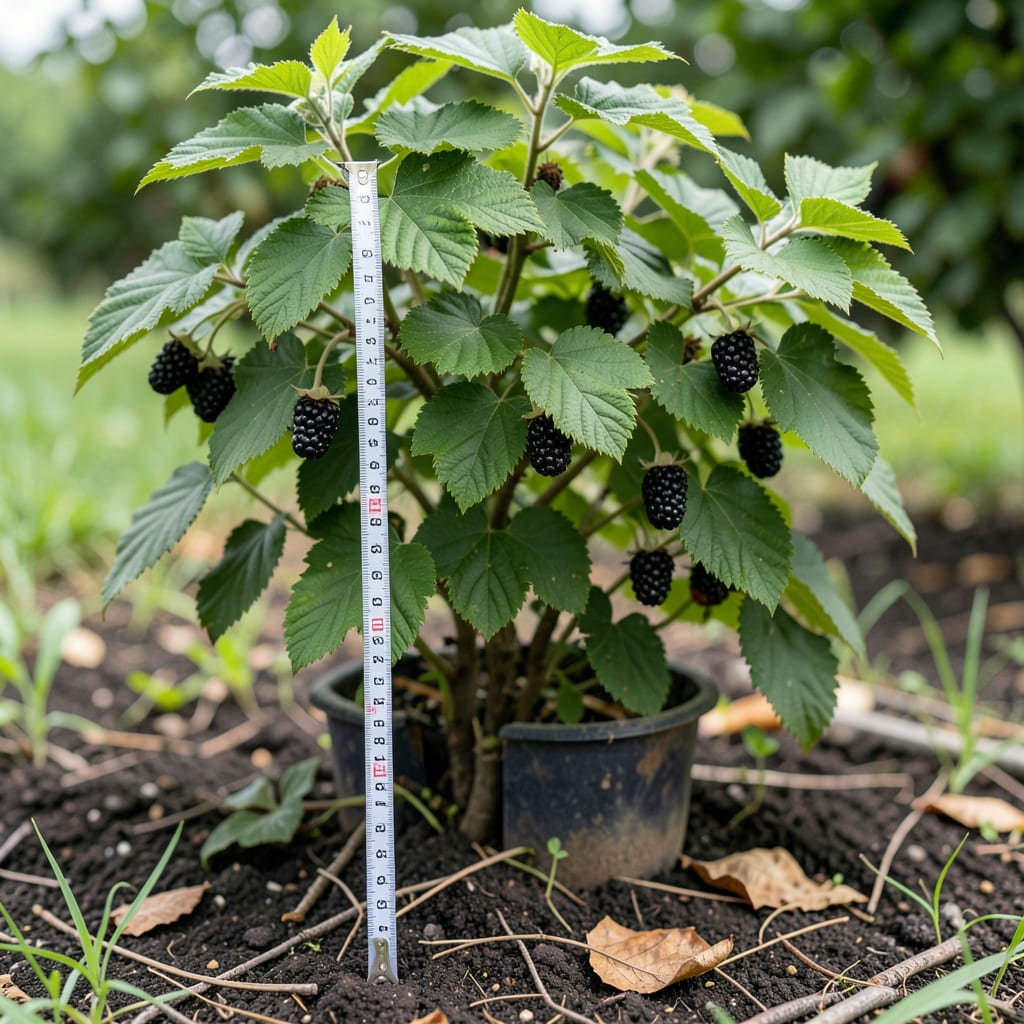
Blackberry bushes 🍇 can transform any garden into a fruitful haven, but have you ever wondered just how tall they can grow? Understanding their growth patterns is crucial for successful cultivation, especially in USDA Zone 6a where they thrive.
Blackberry bushes typically grow between 3 to 8 feet tall, depending on the variety and growing conditions. Proper pruning and training can help manage their height and maximize fruit production – let’s explore the details.

Blackberry bushes are a popular choice for home gardeners due to their delicious fruit and relatively easy maintenance. One of the most common questions about blackberry bushes is how tall they can grow. The height of blackberry bushes varies depending on several factors, including the variety, growing conditions, and pruning practices.
On average, blackberry bushes can grow between 3 to 8 feet tall. Some varieties, such as the trailing type, can grow even taller if not pruned regularly. Understanding the growth habits of your blackberry bushes is crucial for providing the right support and maximizing fruit production.
The variety of blackberry bush plays a significant role in determining its height. Dwarf varieties tend to be more compact, growing between 3 to 4 feet tall, making them ideal for smaller gardens or containers. Semi-dwarf varieties grow slightly taller, typically reaching heights of 4 to 5 feet. Standard varieties are the most vigorous and can grow up to 6 to 8 feet tall.
Growing conditions also significantly impact the height of blackberry bushes. Factors such as soil quality, sunlight exposure, and watering availability can affect how tall a blackberry bush will grow. Well-draining soil rich in organic matter and full sun (at least 6 hours of direct sunlight) are ideal for promoting healthy growth.
Proper watering is also essential for blackberry bush growth. Consistent moisture, especially during the first year after planting, helps establish a strong root system. However, blackberry bushes do not tolerate waterlogged soil, so good drainage is crucial.
In addition to variety and growing conditions, pruning practices play a critical role in managing the height of blackberry bushes. Regular pruning helps control the size of the bush, promotes healthy growth, and maximizes fruit production. Pruning also helps to remove dead or diseased canes, which can otherwise drain the plant’s energy and reduce yields.
Training methods are also important for managing blackberry bush height. Using a trellis or t-post system can help support the canes and keep them upright, making it easier to harvest fruit and maintain the overall health of the plant.
By understanding the factors that influence blackberry bush height and implementing proper care practices, gardeners can enjoy a bountiful harvest of delicious blackberries. Whether you’re growing dwarf, semi-dwarf, or standard varieties, providing the right conditions and care will help your blackberry bushes thrive.
For more detailed information on caring for blackberry bushes, including tips on fertilization and pest management, be sure to check out our comprehensive guide on blackberry bush care 🌿.
Understanding the factors that influence blackberry bush height is crucial for gardeners looking to optimize their crop yield. While variety plays a significant role, other environmental and care-related factors can significantly impact how tall blackberry bushes grow.
The height of blackberry bushes can be affected by several key factors including soil quality, sunlight exposure, watering needs, and fertilization. Let’s explore these factors in more detail to understand their impact on blackberry bush growth.
Blackberry bushes thrive in well-draining soil rich in organic matter. Poor soil quality can limit root development and overall plant height. Amending the soil with compost can improve its structure and fertility, supporting healthier growth 🌿.
Sunlight exposure is another critical factor affecting blackberry bush height. Blackberry bushes require full sun to produce well, so ensuring they receive at least 6 hours of direct sunlight daily is essential. Inadequate sunlight can result in weaker, less vigorous plants that may not reach their full height potential.
Watering needs also play a significant role in determining blackberry bush height. Consistent moisture, particularly during the first year after planting, is vital for establishing a strong root system. However, blackberry bushes are sensitive to waterlogged soil, so maintaining a balance is crucial.
Fertilization is another important aspect of blackberry bush care that can impact height. Using a balanced fertilizer (such as a 10-10-10 NPK formula) during the growing season can provide the necessary nutrients for healthy growth. Fertilizing in early spring and again after harvest can support vigorous growth and fruit production.
By understanding and managing these factors, gardeners can create optimal conditions for their blackberry bushes to grow and thrive. Proper care and attention to these details can help ensure that blackberry bushes reach their full height potential and produce abundant fruit.
For more information on caring for blackberry bushes, including tips on pruning and training, be sure to check out our comprehensive guide on blackberry bush care 📚.
In summary, the height of blackberry bushes is influenced by a combination of variety, growing conditions, and care practices. By optimizing these factors, gardeners can promote healthy growth and maximize their blackberry yield 🌼.
Proper management of blackberry bush height is crucial for maximizing fruit production and maintaining plant health. The right techniques can help control vigorous growth while ensuring abundant harvests.
Effective management involves a combination of pruning techniques, training methods, and support structures. Let’s explore these essential practices for optimal blackberry cultivation.
Remove dead canes and thin out crowded growth to improve air circulation and sunlight penetration. Prune back tall canes to maintain desired height and encourage lateral branching.
Use a T-trellis or post system to support new canes and keep them organized. Train new growth vertically while keeping fruiting canes separate for easier harvesting.
Regularly check and adjust support structures as plants grow. Ensure that canes are properly secured to prevent damage from wind or heavy fruit loads.
By implementing these management techniques, gardeners can effectively control blackberry bush height while maximizing fruit production. Regular maintenance ensures healthy plants and bountiful harvests year after year.
The combination of proper pruning, effective training, and sturdy support creates an ideal growing environment for blackberry bushes. This comprehensive approach helps maintain plant health and optimizes fruit yield.
For more detailed information on blackberry bush care, including additional tips on fertilization and pest management, be sure to explore our comprehensive gardening resources 📚.
Successful blackberry cultivation requires ongoing care and attention to detail. By following these management practices, gardeners can enjoy healthy, productive plants that provide delicious fruit for years to come 🌼.
Blackberry bushes typically grow between 3 to 8 feet tall, depending on the variety and growing conditions. Proper care and pruning can help manage their height. Regular maintenance ensures healthy plants and bountiful harvests.
The variety of blackberry bush significantly impacts its height. Dwarf varieties grow 3-4 feet tall, while standard varieties can reach 6-8 feet. Choosing the right variety helps with garden planning. Consider space and support needs when selecting.
Yes, regular pruning helps control blackberry bush height. Prune back tall canes to maintain desired height and encourage lateral branching. This technique promotes healthy growth and maximizes fruit production. Prune during the dormant season for best results.
Soil quality, sunlight exposure, and watering needs impact blackberry bush height. Well-draining soil and full sun (at least 6 hours of direct sunlight) promote healthy growth. Consistent moisture, especially during the first year, helps establish a strong root system. Proper care creates ideal growing conditions.
