
Beautiful Plants For Your Interior
Beautiful Plants For Your Interior
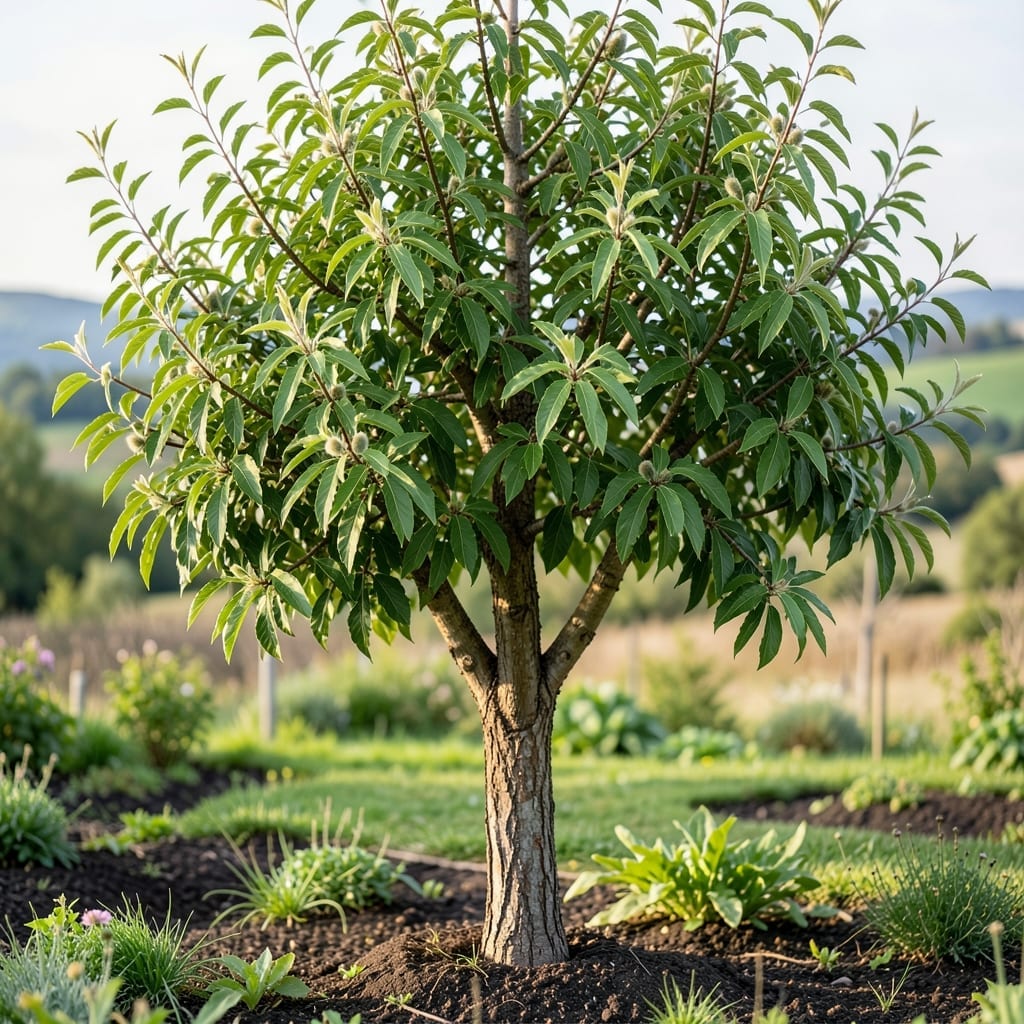
Almond trees can dramatically transform your landscape, but their mature height varies widely by variety. Some stay compact while others tower over 30 feet tall.
Knowing the potential size of your 🌳 Almond Tree is crucial for proper spacing and pruning. Without this knowledge, you might face future headaches in your garden.
Discover how different varieties grow and what factors influence their height. This guide will help you plan and manage your Almond Tree effectively.


If you’re planning to plant an almond tree, knowing its mature height is essential. Standard varieties can reach 20-30 feet, while semi-dwarf types typically grow 12-18 feet tall. This variation impacts spacing and pruning needs significantly.
Climate and growing conditions also play a role in final size. For example, Nonpareil almond trees often hit 25 feet in ideal conditions, while Mission varieties may stay slightly shorter. Dwarf options are perfect for smaller spaces.
| Variety | Mature Height | Type |
|---|---|---|
| Nonpareil | 20-25 ft | Standard |
| Carmel | 20-25 ft | Standard |
| Mission | 18-22 ft | Semi-Dwarf |
| Butte | 20-25 ft | Standard |
| Monterey | 15-20 ft | Semi-Dwarf |
| Garden Prince | 8-12 ft | Dwarf |
For gardeners with limited space, dwarf almond trees like Garden Prince offer a compact solution. These usually max out at 8-12 feet, making them ideal for small yards or even containers.
Semi-dwarf varieties, such as Mission and Monterey, strike a balance. They typically reach 12-18 feet, providing ample almond production without overwhelming your landscape.
Standard almond trees, including Nonpareil and Carmel, are the tallest. These can grow 20-30 feet tall, requiring more space and often more aggressive pruning to manage their size.
I’ve found that soil quality and water availability can influence height. Trees in rich, well-draining soil with consistent moisture tend to grow taller than those in poor conditions.
Pruning practices also affect final height. Regular pruning can keep even standard varieties at a more manageable 15-20 feet, which is great for easier harvesting and maintenance.
If you’re in a region with shorter growing seasons, your almond tree might not reach its maximum potential height. Colder climates or areas with poor soil may result in slightly smaller trees.
For the best results, I recommend selecting a variety that matches your space. If you have a small garden, a dwarf or semi-dwarf almond tree is likely your best bet for a productive yet manageable addition. 🌳
Several key factors influence how tall your almond tree will grow. Soil quality is foundational—rich, well-draining soil encourages stronger root systems and taller growth. Trees in poor soil often stay stunted.
Water availability also plays a major role. Consistent moisture, especially during the first few years, helps almond trees reach their full height potential. Drought conditions can limit growth significantly.
Pruning practices directly control height. Annual pruning can keep even standard varieties at 15-20 feet, making maintenance and harvesting easier. Without pruning, trees may grow taller but with less productivity.
Rootstock selection is another critical factor. Dwarfing rootstocks can reduce the mature height of any almond variety by 30-50%. This is ideal for small gardens where space is limited.
Regional climate differences also matter. Almond trees in warm, Mediterranean-like climates tend to grow taller than those in cooler or shorter growing seasons. Frost can stunt growth or damage young trees.
I always recommend matching your tree variety to your space and climate. For example, in a small yard, a dwarf variety on a dwarfing rootstock will stay manageable while still producing a good harvest. 🌳