
Beautiful Plants For Your Interior
Beautiful Plants For Your Interior
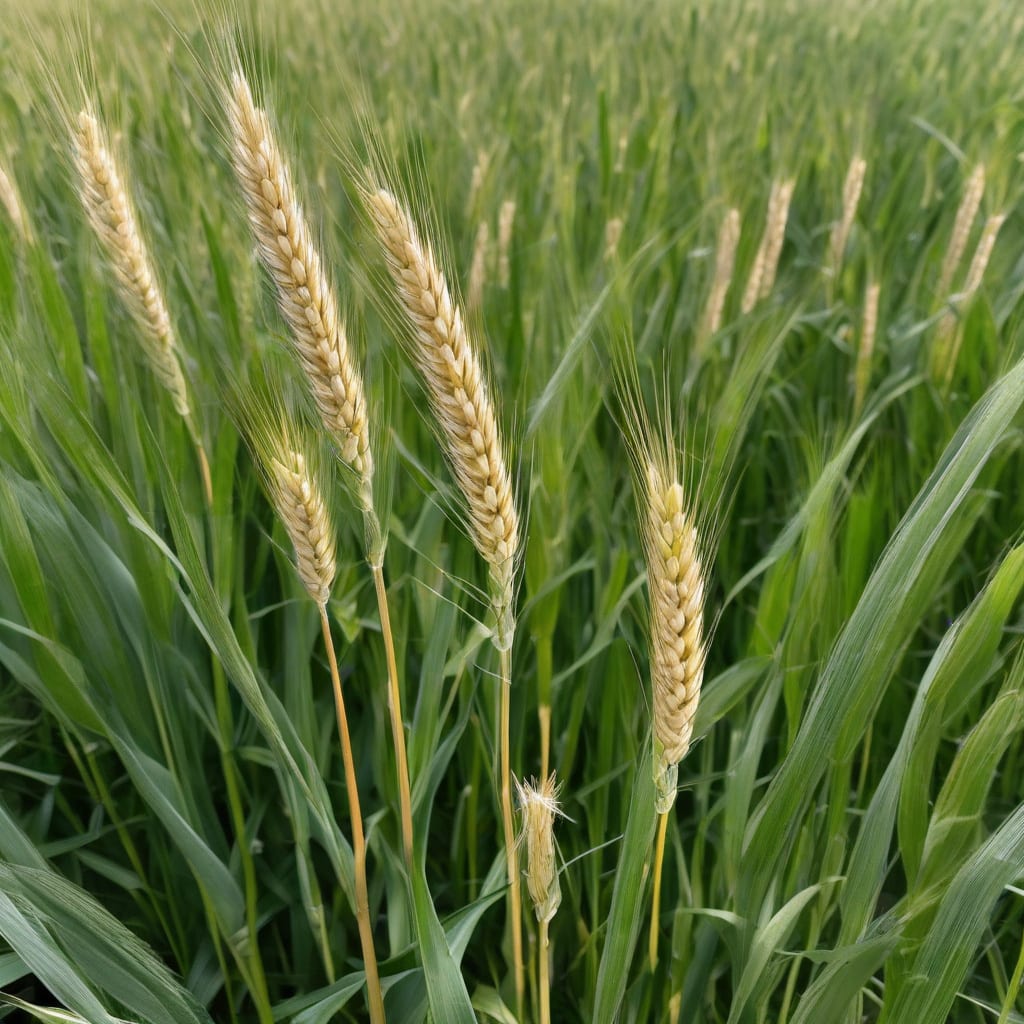
As I stand in a field of 🌾 Wheat, I’m always amazed by its growth potential. The height of Wheat can vary significantly based on factors like variety, soil quality, and growing conditions.
In ideal conditions, Wheat can grow between 2 to 4 feet tall, with some varieties reaching even greater heights. Understanding these factors is crucial for maximizing yields in USDA Zone 6.

Wheat height is influenced by a combination of genetic, environmental, and management factors. Understanding these factors is crucial for optimizing wheat growth and maximizing yields.
The genetic makeup of wheat varieties plays a significant role in determining their height. Modern wheat varieties are often bred for specific characteristics, including dwarfing genes that reduce plant height and improve resistance to lodging.
Environmental conditions, including temperature, moisture, and sunlight, also significantly impact wheat height. Adequate water supply and optimal temperatures during the growing season promote healthy growth and taller plants.
Farming practices, such as seeding rates, fertilizer application, and the use of growth regulators, can also influence wheat height. For example, higher seeding rates can lead to denser stands and potentially taller plants, while growth regulators can help control plant height and prevent lodging.
Understanding the interplay between these factors is essential for farmers and gardeners looking to optimize their wheat crops. By selecting the right variety, managing soil health, and employing appropriate farming practices, growers can influence the height of their wheat plants to achieve better yields and easier harvesting.
The height of wheat plants can vary significantly, typically ranging between 2 to 4 feet tall, depending on the variety and growing conditions. Some modern dwarf varieties are bred to be shorter, around 2 feet, while older or taller varieties can exceed 4 feet. tall. and potentially reach even greater heights.
Different wheat varieties exhibit varying growth characteristics, चाहते to their genetic makeup. Some are bred for dwarf or semi-dwarf traits, resulting in shorter plants, while others may grow taller.
Farmers and gardeners should consider these factors when selecting wheat varieties and planning their cultivation strategies. By understanding how genetics, environment, and management practices influence wheat height, growers can make informed decisions to optimize their wheat crops for better yields and easier management.
Wheat is one of the most widely cultivated crops globally, and understanding its growth potential is crucial for farmers and gardening enthusiasts alike. The height of wheat plants can vary significantly based on factors like variety, soil quality, and growing conditions.
In ideal conditions, wheat can grow between 2 to 4 feet tall, with some varieties reaching even greater heights. The maximum height potential of wheat is influenced by various factors, including genetics, environmental conditions, and farming practices.
The tallest recorded wheat varieties have exceeded 6 feet in height under optimal growing conditions.
Most commercial wheat varieties typically grow between 2 to 4 feet tall, depending on the specific cultivar and growing conditions.
Soil quality, climate, and farming practices all play a role in determining the final height of wheat plants 🌾
Understanding the factors that influence wheat height is essential for optimizing crop yields and managing wheat cultivation effectively. By considering the genetic potential of different wheat varieties and the impact of environmental and management factors, farmers and gardeners can make informed decisions to achieve their desired outcomes.
The height of wheat plants is a critical factor in determining their suitability for different growing conditions and farming practices. Taller varieties may be more prone to lodging, while shorter varieties may be better suited to certain environments.
Overall, the maximum height potential of wheat is an important consideration for anyone involved in wheat cultivation, whether for commercial production or personal gardening projects.
Managing wheat height is crucial for achieving optimal yields and easier harvesting. By understanding how to control wheat height, farmers and gardeners can improve their crop management strategies.
One effective way to optimize wheat height is through proper seeding rates. Higher seeding rates can lead to denser stands, which may result in taller plants. However, overly dense stands can also increase the risk of lodging.
Adjust seeding rates based on soil quality and environmental conditions to achieve optimal wheat height 🌾
Fertilizer application is another critical factor in managing wheat height. Balanced fertilizers can promote healthy growth, but excessive nitrogen can lead to overly tall plants that are prone to lodging.
Using growth regulators is a common practice to control wheat height. These chemicals help prevent lodging by reducing plant height and promoting stronger stem growth.
By combining proper seeding rates, balanced fertilizer application, and the strategic use of growth regulators, farmers and gardeners can optimize wheat height for better yields and easier harvesting.
Optimizing wheat height is a multifaceted approach that requires careful consideration of various factors. By understanding and implementing these strategies, growers can achieve more successful wheat cultivation 🌱.
