
Beautiful Plants For Your Interior
Beautiful Plants For Your Interior
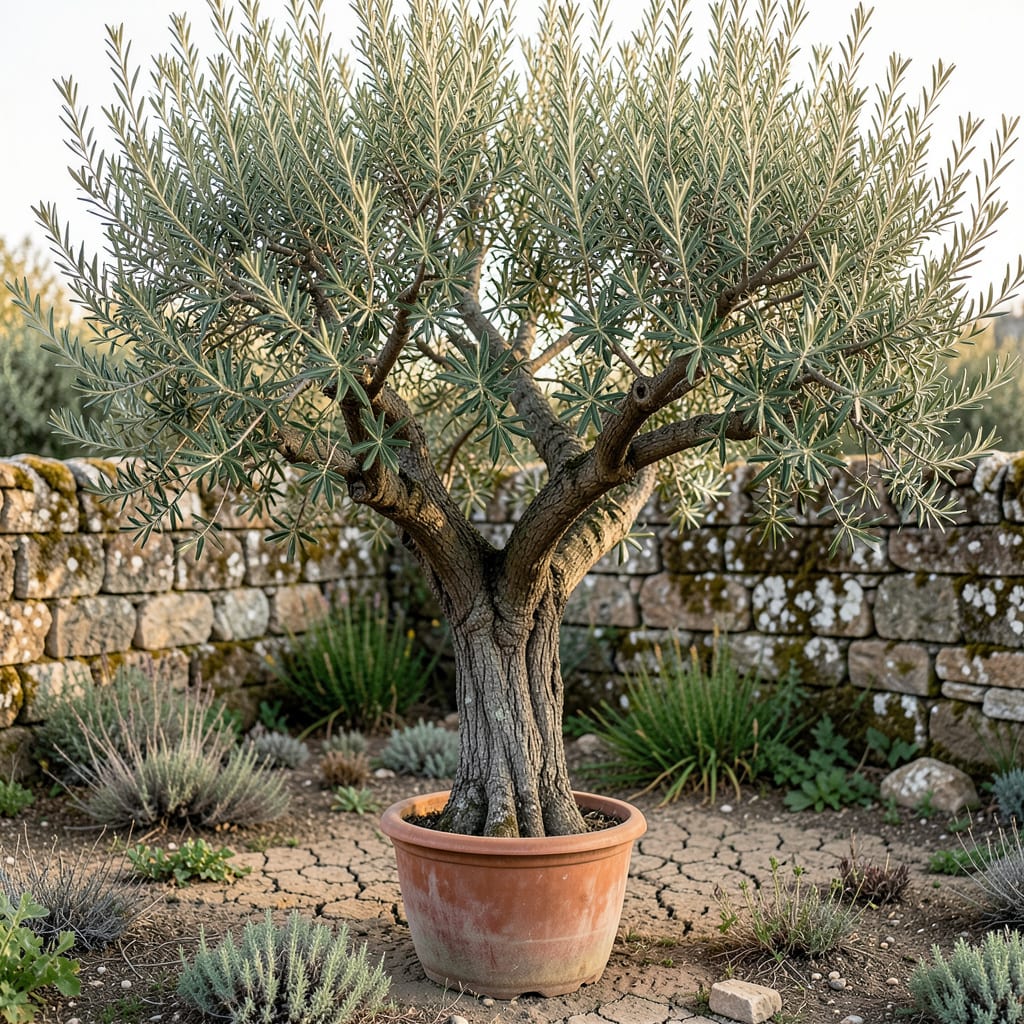
I’ve always been fascinated by the majestic Olive Tree 🌳, with its gnarled branches and silvery leaves. But one question that often comes up is: just how tall can these ancient trees grow? The answer might surprise you.
Olive Trees can reach impressive heights, typically between 15 to 30 feet, depending on factors like variety, climate, and maintenance. Let’s explore what affects their growth and how to manage their size.


I’ve found that olive tree height is influenced by several key factors. Climate plays a crucial role, with optimal growth occurring in regions with mild winters and warm summers. Soil quality is another important consideration, as olive trees prefer well-draining soil with a pH between 6.0 and 8.0 🌳.
The specific variety of olive tree also significantly impacts its potential height. Different cultivars have been bred for various characteristics, including size. Let’s examine these factors more closely using a summary table.
Climate conditions significantly affect olive tree growth. Trees grown in optimal conditions can reach their maximum potential height, while harsh weather can limit their growth. For instance, olive trees in areas with poor soil drainage may experience stunted growth due to root rot.
Understanding these factors is essential for gardeners and farmers to optimize olive tree growth. By recognizing the importance of climate, soil, and variety, growers can make informed decisions about planting and caring for their olive trees. This knowledge can help maximize tree health and productivity.
Olive trees are known for their resilience and adaptability, but they still require specific conditions to thrive. By providing the right environment and care, growers can help their olive trees reach their full potential height. Regular maintenance, including pruning, is also crucial for managing tree size and promoting healthy growth.
The height of olive trees can vary significantly based on the factors mentioned earlier. While some trees may remain relatively small, others can grow quite tall. Understanding these variations is key to successful olive tree cultivation.
In addition to climate and soil, the genetic makeup of the olive tree variety plays a significant role in determining its height. Some cultivars are naturally more compact, while others can grow much taller. This genetic diversity allows growers to choose varieties that suit their specific needs and growing conditions.
By considering these factors and providing appropriate care, growers can help their olive trees achieve optimal growth. This includes ensuring the right nutrient balance and watering schedule to support healthy development. Proper care can also help mitigate potential issues that may arise due to environmental stressors.
Olive trees are a long-term investment, and understanding their growth habits is crucial for long-term success. By recognizing the factors that influence olive tree height, growers can make informed decisions about tree care and management. This knowledge can help optimize tree health and productivity over time.
In conclusion, the height of olive trees is influenced by a combination of factors, including climate, soil quality, variety, and maintenance practices. By understanding and managing these factors, growers can help their olive trees reach their full potential height and thrive.
Olive trees come in various cultivars, each with its own growth characteristics. The height of olive trees can vary significantly depending on the specific variety 🌳.
Let’s explore the different types of olive tree varieties and their maximum heights using a comparison table.
The height of olive trees varies significantly across different varieties. Dwarf varieties are bred for compact growth, making them perfect for small gardens or containers. Semi-dwarf trees offer a balance between size and productivity, while standard varieties can grow quite tall, making them suitable for large orchards 🌳.
When selecting an olive tree variety, it’s essential to consider the available space and the desired level of maintenance. Dwarf and semi-dwarf varieties require less pruning and are generally easier to manage, while standard varieties may need more extensive care.
Understanding the growth potential of different olive tree varieties can help growers make informed decisions about their orchard or garden design. By choosing the right variety for their needs, they can optimize tree health and productivity.
Olive tree varieties also differ in their growth rates and maturity times. Some varieties may grow faster or produce fruit earlier than others. This information can be crucial for growers who want to maximize their yields and plan their harvests accordingly.
In conclusion, the maximum height of olive trees depends on the specific variety, with dwarf, semi-dwarf, and standard types offering different growth potentials. By understanding these differences, growers can choose the best variety for their needs and provide appropriate care to optimize tree health and productivity 🌟.
I’ve found that pruning is a crucial technique for managing the height of olive trees. Regular pruning helps maintain the tree’s shape, promotes healthy growth, and can control its overall size 🌳.
Let’s explore some practical pruning techniques to keep your olive trees at a manageable height using a step-by-step guide.
Start by removing any dead, diseased, or damaged branches to prevent the spread of disease and encourage healthy growth.
Thin out the center of the tree to allow more sunlight to penetrate and reduce the risk of disease.
Cut back the tallest branches to the desired height, making clean cuts just above a growth node.
Shape the tree to maintain its natural form and promote a balanced structure.
Pruning olive trees requires careful consideration of the tree’s growth patterns and needs. By pruning regularly, you can control the tree’s height and promote healthy growth. It’s essential to use the right pruning techniques to avoid damaging the tree 🌟.
When pruning olive trees, it’s crucial to make clean cuts just above a growth node. This helps the tree heal quickly and reduces the risk of disease. Additionally, pruning during the dormant season can help minimize stress on the tree.
By following these pruning techniques, you can effectively manage the height of your olive trees and promote healthy growth. Regular pruning is essential for maintaining the tree’s overall health and productivity 🌱.
Pruning frequency depends on the tree’s age and growth rate. Young trees may require more frequent pruning to establish a strong structure, while mature trees may need less frequent pruning to maintain their shape.
In conclusion, pruning is a vital technique for controlling the height of olive trees. By understanding and applying proper pruning techniques, you can maintain healthy trees that thrive and produce abundant fruit 🌳.
Olive trees typically grow between 15 to 30 feet tall when fully mature. However, some varieties can remain much smaller, while others can exceed this height range. The average mature height is around 20 feet. Factors like climate, soil, and maintenance play a significant role in determining the final height. Proper care can help trees reach their full potential height .
Yes, olive trees can be kept smaller through regular pruning. Pruning helps control the tree’s size and shape. By pruning annually, you can maintain a desired height and promote healthy growth. This is particularly useful for gardeners with limited space or those growing olive trees in containers. Regular pruning also encourages fruiting and improves overall tree health .
Olive trees are slow-growing, and it can take 10 to 20 years or more for them to reach their full height. The growth rate depends on factors like the tree variety, climate, soil quality, and maintenance practices. Dwarf varieties tend to grow faster in the early years but plateau sooner, while standard varieties may take longer to mature. Patience is key when growing olive trees, as they are a long-term investment .
Yes, different olive tree varieties have varying growth potentials. Dwarf varieties typically grow to be 6-10 feet tall, while semi-dwarf trees reach 10-15 feet. Standard varieties can grow much taller, often between 15-30 feet. Choosing the right variety depends on your available space and desired level of maintenance. Understanding these differences helps in selecting the best tree for your needs .
