
Beautiful Plants For Your Interior
Beautiful Plants For Your Interior
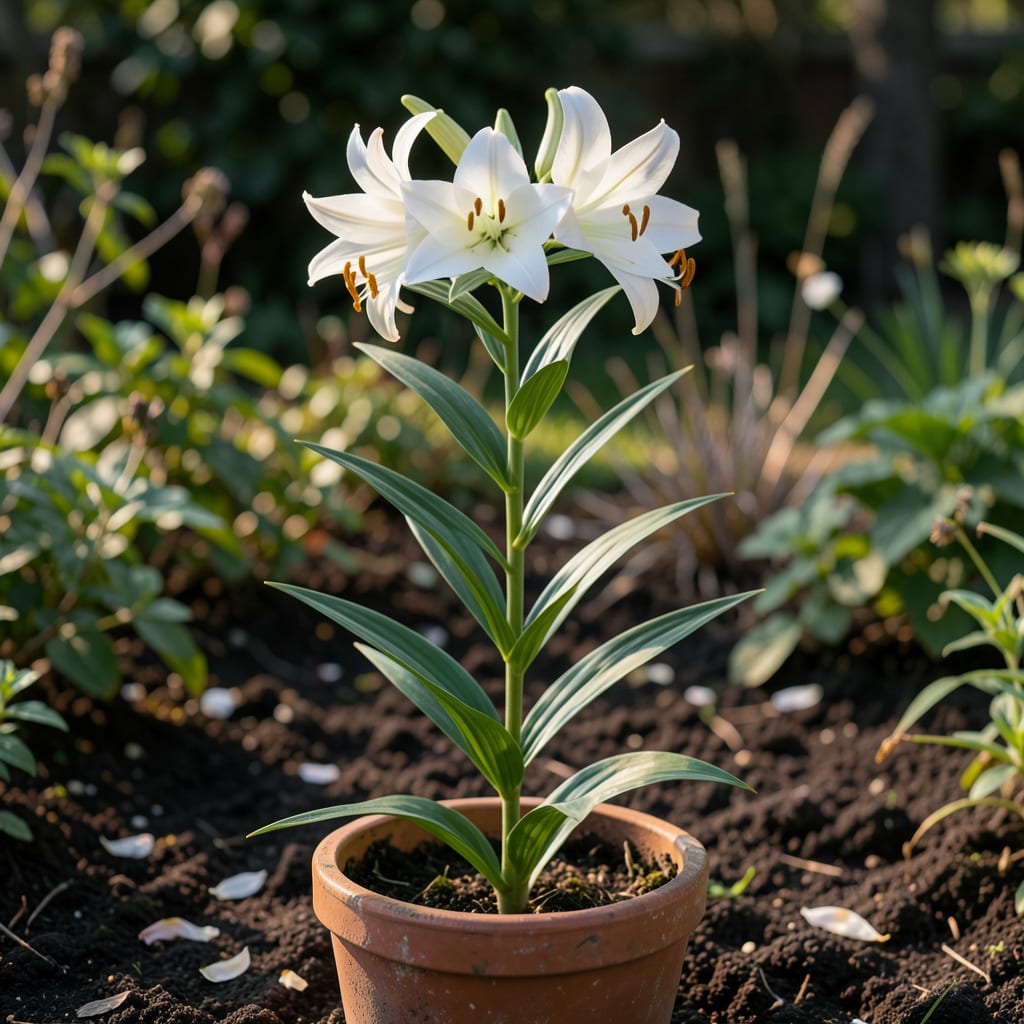
Lilies 🌸 can add dramatic height and elegance to any garden in USDA Zone 6. Their growth potential varies based on factors like soil quality and sunlight exposure.
To maximize their height, it’s essential to understand the ideal conditions for lily growth. I’ll share expert tips on how to care for your lilies to help them reach their full potential – whether that’s 2-5 feet tall.


Lilies are known for their dramatic height, but their growth potential varies based on several factors. Understanding these factors is crucial for maximizing their height and overall health 🌼.
The height of lilies can range from 2 to 5 feet, depending on the variety and growing conditions. Factors such as soil quality, sunlight exposure, and specific lily varieties play a significant role in determining their final height.
Soil quality is a critical factor in lily growth. Lilies thrive in well-draining soil rich in organic matter** and have a slightly acidic to neutral pH. Adding compost or well-rotted manure can improve soil fertility and structure, promoting healthier lily plants 🌱.
Sunlight exposure is another crucial factor. Most lilies require full sun to partial shade, meaning they need at least 6 hours of direct sunlight per day. In USDA Zone 6, lilies can be planted in areas that receive ample sunlight during the spring and early summer months ☀️.
The specific variety of lily also influences its height. Some varieties, like the Oriental lilies, are known for their tall stature and can grow up to 4-6 feet tall in ideal conditions. Other varieties, like the Dwarf lilies, are more compact and typically reach heights of 1-2 feet 🌺.
In addition to these factors, proper care and maintenance are essential for maximizing lily height. This includes regular watering, fertilization, and pruning. By understanding and addressing these factors, gardeners can help their lilies reach their full growth potential 💪.
To further illustrate the impact of these factors, let’s consider some specific examples. For instance, Asiatic lilies are known for their sturdy stems and can grow up to 3-4 feet tall. In contrast, Trumpet lilies can reach heights of 4-6 feet when given the right conditions 📏.
By choosing the right variety and providing optimal growing conditions, gardeners can enjoy tall, healthy lily plants that add beauty and elegance to their gardens 🌸.
It’s also important to note that lilies are generally low-maintenance plants, making them accessible to gardeners of all skill levels. With proper care, lilies can bloom year after year, providing a stunning display of color and height 🌻.
In summary, the height of lilies is influenced by a combination of factors including soil quality, sunlight exposure, and variety. By understanding and optimizing these factors, gardeners can help their lilies reach their maximum height and enjoy a beautiful display of blooms 🌼.
For more information on growing lilies and maximizing their height, consider consulting with local gardening experts or checking out reputable gardening resources online 📚.
To help lilies reach their full height potential, proper care and maintenance are essential. I’ll share expert tips on how to encourage taller lily growth through proper planting, fertilization, and maintenance 🌼.
Lilies can grow to varying heights depending on the variety and growing conditions. By understanding the factors that influence their growth, gardeners can take steps to maximize their height 🌸.
Plant lily bulbs 2-3 times deeper than their height to encourage strong root development and taller stems.
Use a balanced fertilizer (10-10-10 NPK) every 4-6 weeks during the growing season to promote healthy growth.
Tall lily varieties may need staking to prevent them from toppling over in the wind. Use sturdy stakes and tie the stems loosely.
By following these expert tips, gardeners can help their lilies reach their maximum height and enjoy a stunning display of blooms 🌻.
Proper care and maintenance are crucial for maximizing lily height. This includes regular watering, fertilization, and pruning. By understanding and addressing these factors, gardeners can help their lilies reach their full growth potential 💪.
It’s also important to note that different lily varieties have different growth potentials. Some varieties, like Oriental lilies, are known for their tall stature and can grow up to 4-6 feet tall in ideal conditions 🌺.
In summary, maximizing lily height requires a combination of proper planting, fertilization, and maintenance. By following these expert tips, gardeners can enjoy tall, healthy lily plants that add beauty and elegance to their gardens 🌸.
For more information on growing lilies and maximizing their height, consider consulting with local gardening experts or checking out reputable gardening resources online 📚.
When growing lilies, it’s essential to avoid common mistakes that can limit their height and overall health. I’ll discuss potential pitfalls in lily care and provide solutions to common problems 🌱.
Lilies can be sensitive to improper care, which can result in stunted growth or reduced blooming. By understanding these common mistakes, gardeners can take steps to avoid them and promote healthy lily growth 🌼.
Overwatering, poor soil quality, and inadequate sunlight can all negatively impact lily growth. Ensure proper care by avoiding these common mistakes.
One common mistake is overwatering, which can lead to root rot and other problems. Lilies prefer well-draining soil and should be watered regularly, but not excessively 💧.
Another mistake is poor soil quality, which can limit lily growth. Lilies thrive in soil rich in organic matter and with a slightly acidic to neutral pH. Adding compost or well-rotted manure can improve soil fertility and structure 🌿.
Inadequate sunlight is also a common mistake. Most lilies require full sun to partial shade, meaning they need at least 6 hours of direct sunlight per day. In USDA Zone 6, lilies can be planted in areas that receive ample sunlight during the spring and early summer months ☀️.
By avoiding these common mistakes, gardeners can promote healthy lily growth and enjoy a beautiful display of blooms. Proper care and maintenance are crucial for maximizing lily height and overall health 🌻.
In summary, understanding common mistakes in lily care can help gardeners avoid potential pitfalls and promote healthy growth. By providing optimal growing conditions and proper care, lilies can reach their full growth potential and add beauty and elegance to any garden 🌸.
For more information on growing lilies and maximizing their height, consider consulting with local gardening experts or checking out reputable gardening resources online 📚.
Lily heights vary by type: Asiatic lilies grow 3-4 feet tall, Oriental lilies reach 4-6 feet, while Dwarf lilies stay between 1-2 feet. The height depends on the specific cultivar and growing conditions. Proper care can help them reach their maximum potential height .
To promote taller lily growth, plant bulbs 2-3 times deeper than their height, use a balanced fertilizer every 4-6 weeks, and provide support for tall varieties. Regular watering and full sun to partial shade also help maximize their height .
Common mistakes that can limit lily height include overwatering, poor soil quality, and inadequate sunlight. Ensuring well-draining soil, proper fertilization, and sufficient sunlight can help prevent these issues and promote healthy growth .
Yes, lilies can thrive in containers. Choose a container that’s at least 6-8 inches deep and use a well-draining potting mix. With proper care, container-grown lilies can reach similar heights to those grown in the ground, depending on the variety and conditions. Make sure they receive enough sunlight and water .
