
Beautiful Plants For Your Interior
Beautiful Plants For Your Interior
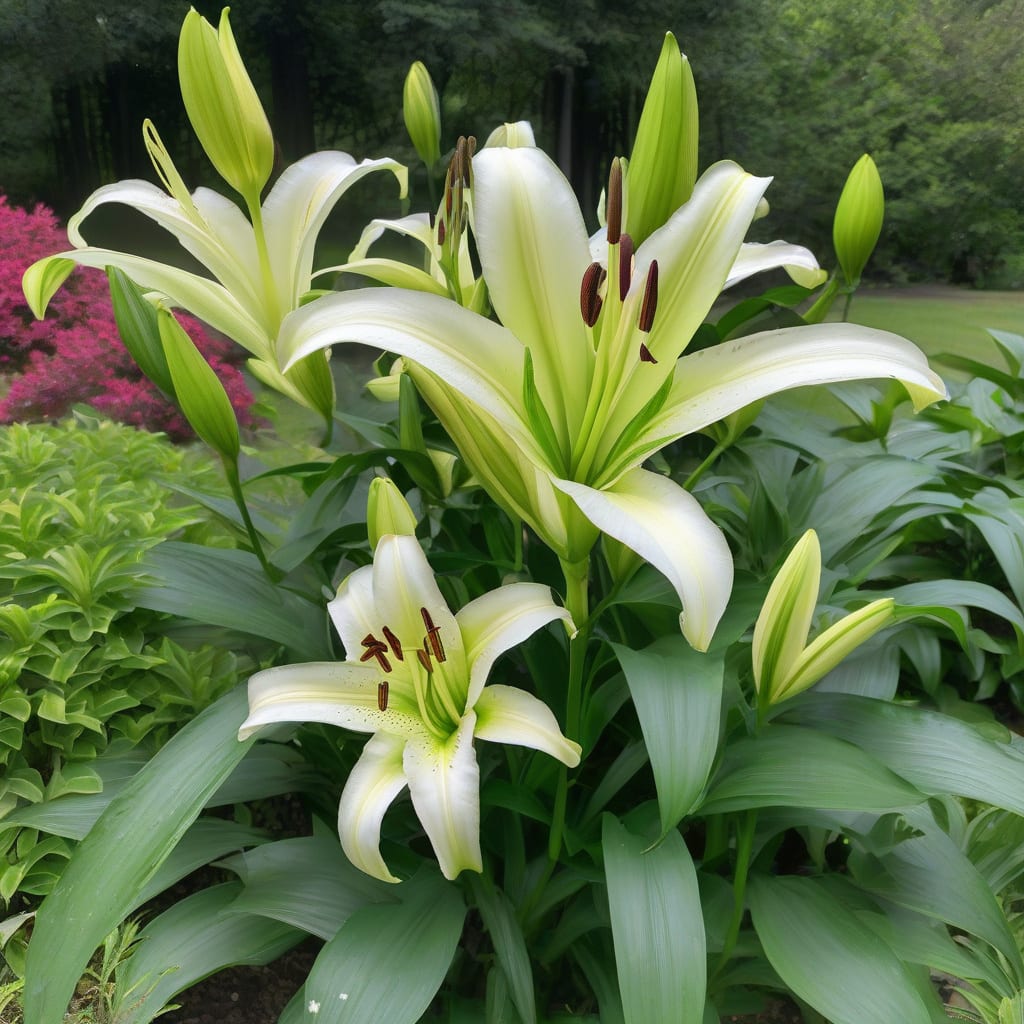
When I think about adding beauty to my garden, I immediately picture Lily 💐 plants swaying gently in the breeze. Their elegant blooms come in various colors and sizes, but one question I often get asked is: how tall do they actually grow?
Lily plants can grow anywhere from 2 to 6 feet tall, depending on the variety and growing conditions in your garden, whether that’s in USDA Zone 6 or another region. Understanding their growth habits is key to placing them perfectly in your outdoor space.


When I consider the height of lily plants, I realize that multiple factors come into play. The variety of lily is a primary consideration, as different types have distinct growth patterns. For instance, Asiatic lilies tend to be shorter than Oriental lilies. 🌼
Growing conditions also significantly impact lily plant height. Factors such as soil quality, sunlight exposure, and watering practices can either promote or hinder growth. Understanding these elements helps in creating optimal conditions for your lilies to thrive.
The combination of these factors determines the ultimate height of your lily plants. By understanding and managing these elements, you can create an environment that supports healthy growth and maximizes their height potential 🌱.
Different lily varieties have unique characteristics that influence their growth. For example, Asiatic lilies are generally more compact, while Oriental lilies can grow taller and more vigorously. Recognizing these differences is crucial for garden planning.
Growing conditions such as climate and soil type also play a significant role. Lilies grown in cooler climates may not reach the same heights as those in warmer regions, assuming other conditions are equal.
Care practices, including pruning and staking, can further influence lily plant height. Proper care ensures that plants reach their full potential without becoming too leggy or weak.
To maximize height, it’s essential to provide lilies with adequate nutrients. A balanced fertilizer that is high in phosphorus can encourage blooming and support stem strength.
Watering consistently is also vital. Lilies prefer consistent moisture, especially during their active growing periods. This helps in developing strong, tall stems.
Finally, understanding the specific needs of your lily variety allows for tailored care. Whether you’re growing dwarf lilies or standard varieties, adjusting your care practices accordingly can make a significant difference in their height and overall health.
By considering these factors and adjusting your gardening practices, you can optimize the growth of your lily plants and enjoy their beautiful blooms at their full height 🌼.
In summary, the height of lily plants is influenced by a combination of variety, growing conditions, and care practices. By understanding and managing these factors, gardeners can create optimal conditions for their lilies to reach their full potential.
When considering lily plants, understanding their potential height is crucial for garden planning. Different lily varieties exhibit distinct growth patterns, and knowing these can help gardeners make informed decisions 🌼.
The height of lily plants varies significantly across different types. For instance, Asiatic lilies typically grow between 2 to 4 feet tall, while Oriental lilies can reach heights of 4 to 6 feet or more. Other varieties, like Tiger lilies, usually fall within the 3 to 5 feet range.
Understanding these height variations is essential for effective garden design. By knowing the expected height of different lily varieties, gardeners can plan their garden layouts more effectively, ensuring that taller plants don’t overshadow smaller ones 🌻.
The height of lily plants is not just about aesthetics; it also has practical implications. Taller lilies may require staking to prevent them from toppling over in the wind. Conversely, shorter varieties might be more suitable for container gardening or border planting.
Growing conditions can also influence the height of lily plants. Factors such as soil quality, sunlight exposure, and watering practices can all impact how tall lilies grow. Providing optimal growing conditions can help lilies reach their full height potential.
In addition to height, the size and color of lily flowers vary across different types. Asiatic lilies often have smaller flowers with a wider range of colors, while Oriental lilies typically have larger, more fragrant blooms.
By understanding the average height range for different lily types, gardeners can make more informed decisions about plant placement and care. This knowledge helps in creating a balanced and visually appealing garden that showcases the unique characteristics of each lily variety 🌼.
When planning your garden, consider the mature height of your lily plants to ensure a harmonious and thriving garden environment.
When it comes to managing the height of lily plants, I’ve found that a combination of proper care techniques and understanding the specific needs of your lily variety can make a significant difference 🌼.
One of the most effective ways to manage lily plant height is through pruning and deadheading. By removing spent flowers, you can encourage the plant to focus its energy on re-growing and storing energy for the next season, rather than seed production.
To prevent lilies from becoming too tall and toppling over, consider staking them early in the growing season. This provides support as they grow and helps maintain their upright position.
Soil management is another critical aspect of managing lily plant height. Ensuring that your soil is well-draining and rich in organic matter can promote healthy growth. Adding compost or well-rotted manure can improve soil fertility and structure, supporting robust plant development.
Understanding the specific needs of your lily variety is also crucial. Some lilies naturally grow taller than others, so knowing what to expect from your particular variety can help you plan your garden more effectively 🌻.
In summary, managing lily plant height effectively involves a combination of proper pruning techniques, staking when necessary, and maintaining optimal soil conditions. By following these tips, you can enjoy healthy, well-proportioned lily plants in your garden.
