
Beautiful Plants For Your Interior
Beautiful Plants For Your Interior
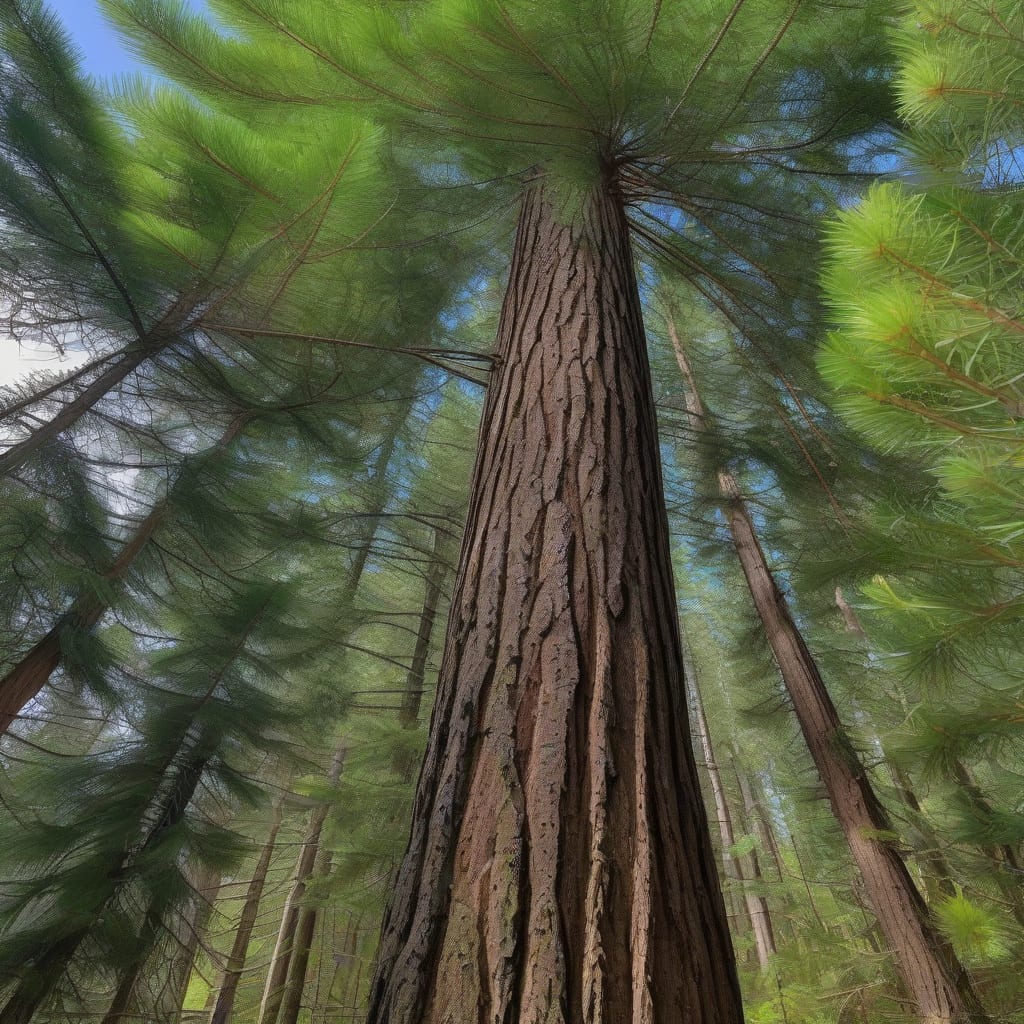
As I stand before a majestic Douglas Fir 🌲, I’m struck by its towering presence. These trees are known for reaching incredible heights, often becoming the centerpiece in any landscape or forest they inhabit.
Understanding how tall Douglas Fir trees can grow is essential for gardeners and forestry enthusiasts alike, especially in regions like USDA Zone 6a. Let’s explore the factors that influence their growth and maximum height potential.


The height of a Douglas Fir tree is influenced by various factors, including environmental conditions and genetic predispositions. Understanding these factors is crucial for gardeners and forestry enthusiasts who want to cultivate these trees to their maximum height potential 🌲.
Environmental factors play a significant role in determining the height of Douglas Fir trees. Climate, soil quality, and available moisture are among the key elements that affect growth. For instance, Douglas Fir trees thrive in cool, moist climates with well-drained soil.
In addition to environmental factors, genetic predispositions also play a crucial role in determining the height of Douglas Fir trees. Some trees are naturally taller due to their genetic makeup, which can influence their growth rate and maximum height.
The
Soil quality is another critical factor that affects the height of Douglas Fir trees. Trees growing in well-drained soil with adequate nutrients tend to grow taller than those in poor soil conditions.
is followed by another paragraph.The genetic makeup of Douglas Fir trees also influences their growth patterns. Some trees are naturally more inclined to grow taller due to their genetic characteristics.
Understanding these factors is essential for anyone looking to cultivate Douglas Fir trees to their maximum height. By providing the right environmental conditions and care, gardeners and forestry enthusiasts can help these trees reach their full potential 🌳.
It’s also worth noting that while genetics play a role, environmental factors can significantly impact the actual height achieved by Douglas Fir trees. Climate change, pollution, and disease can all affect tree growth.
In regions with ideal conditions, Douglas Fir trees can grow to be among the tallest in the forest. Their ability to adapt to different environments also contributes to their impressive height potential.
For those interested in cultivating Douglas Fir trees, understanding the interplay between genetic and environmental factors is key. This knowledge can help in selecting the right trees for specific conditions and providing appropriate care.
By combining the right genetic stock with optimal environmental conditions, it’s possible to grow Douglas Fir trees that are not only tall but also healthy and resilient.
The tallest Douglas Fir trees are often found in areas with mild winters and cool, moist summers. These conditions allow the trees to grow continuously throughout the growing season.
Douglas Fir trees are known for their impressive height, with some specimens reaching extraordinary heights under ideal conditions 🌲.
The maximum height achieved by Douglas Fir trees is a subject of great interest among forestry enthusiasts and researchers. Recorded heights have been documented, providing insight into the potential of these trees.
The tallest known Douglas Fir tree is over 330 feet tall, making it one of the tallest tree species in the world 🌳.
In optimal environments, Douglas Fir trees typically reach heights of 70 to 100 feet, with some stands averaging even higher.
Trees growing in areas with mild winters and cool, moist summers tend to achieve greater heights due to extended growing seasons.
The height potential of Douglas Fir trees is influenced by a combination of genetic and environmental factors. Understanding these factors can help in cultivating trees that achieve their maximum height 🌲.
In regions with ideal conditions, Douglas Fir trees can grow to be among the tallest in the forest. Their ability to adapt to different environments also contributes to their impressive height potential.
For those interested in cultivating Douglas Fir trees, understanding the factors that influence their height is crucial. This knowledge can help in selecting the right trees for specific conditions and providing appropriate care.
By combining the right genetic stock with optimal environmental conditions, it’s possible to grow Douglas Fir trees that are not only tall but also healthy and resilient.
The tallest Douglas Fir trees are often found in areas with mild winters and cool, moist summers. These conditions allow the trees to grow continuously throughout the growing season.
To help Douglas Fir trees achieve their maximum height potential, gardeners and forestry enthusiasts must provide optimal growing conditions 🌳.
Cultivating Douglas Fir trees requires careful consideration of several key factors, including soil quality, watering, and pruning. By understanding and addressing these factors, you can create an environment that supports healthy growth and maximizes height potential.
Plant Douglas Fir trees in well-draining soil with full sun to partial shade for optimal growth.
First, ensure the soil is well-draining and rich in nutrients. Douglas Fir trees thrive in slightly acidic to neutral soil pH, typically between 6.0 and 7.0. Regular soil testing can help determine nutrient levels and pH, allowing for adjustments as necessary.
Second, maintain consistent moisture levels. Douglas Fir trees prefer consistent moisture, especially during their early growth stages. Water them deeply but infrequently to encourage deep root growth, making them more resilient to drought conditions 🌟.
Third, implement a regular pruning schedule to maintain tree health and promote vertical growth. Remove any dead or diseased branches to prevent the spread of disease and encourage the tree to focus its energy on growing taller 🌲.
By following these guidelines and providing the right conditions, you can help your Douglas Fir trees achieve their maximum height potential and enjoy their majestic presence for years to come.
Regular monitoring and maintenance are key to ensuring the health and optimal growth of Douglas Fir trees. This includes watching for signs of disease or pest infestations and taking action promptly if necessary.
With proper care and attention, Douglas Fir trees can become a stunning feature in any landscape, reaching heights that are truly impressive and awe-inspiring 🌳.
