
Beautiful Plants For Your Interior
Beautiful Plants For Your Interior
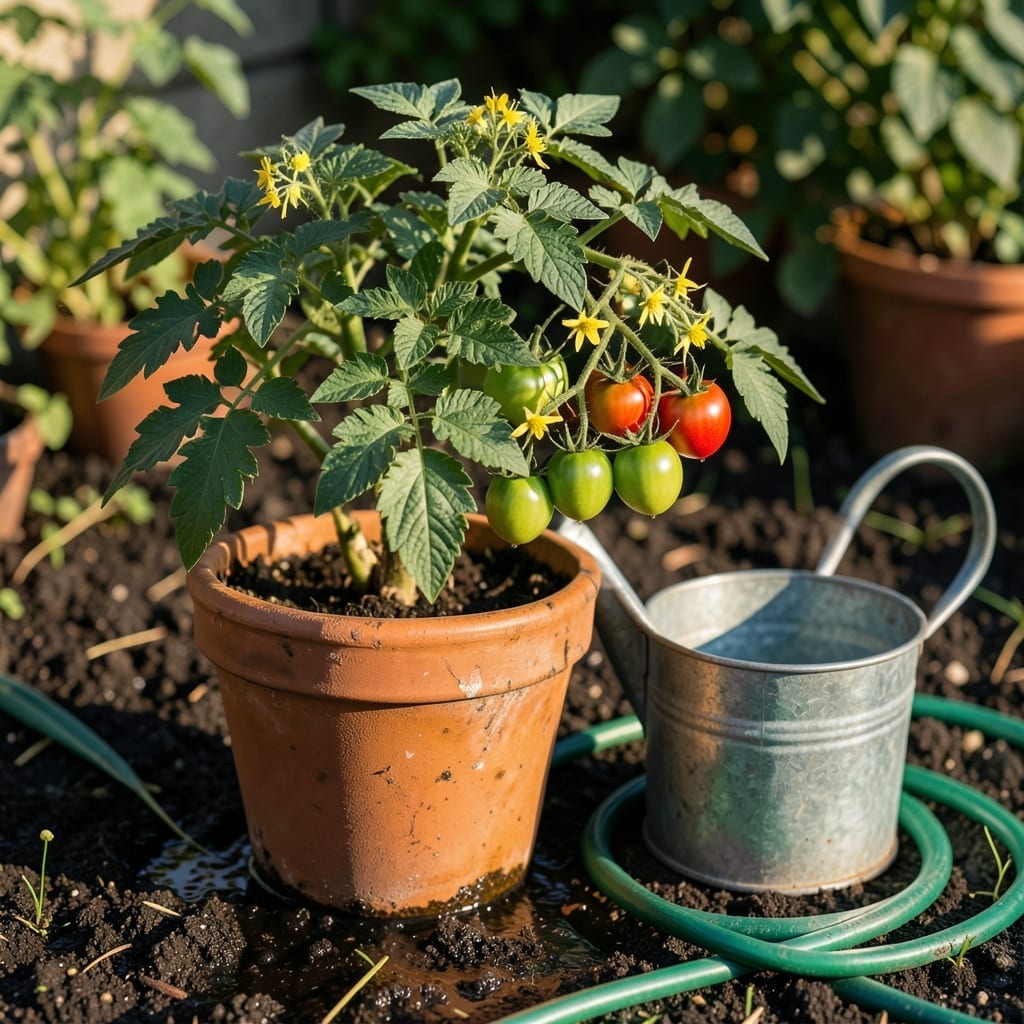
Watering your 🥕 Vegetable Garden seems simple, but get it wrong and you’ll either drown your plants or leave them parched. The truth is, there’s no one-size-fits-all answer.
I’ve seen gardens thrive with 2-3 waterings a week and others that needed daily attention. It all depends on your climate, soil, and what you’re growing in Zone 6.
What if you could take the guesswork out of watering? I’ll show you how to read your garden’s needs like a pro.
Let’s dig into the easiest ways to keep your Vegetable Garden perfectly hydrated without the stress.
Getting your watering schedule right starts with understanding your local climate. What works in arid Arizona won’t fly in humid Florida, and that’s okay. I’ve seen gardens thrive with daily watering in desert climates while others need just once a week in cooler zones.
The key is observing how fast your soil dries out and how your plants respond to heat. Leafy greens like lettuce need more frequent watering than drought-tolerant tomatoes, even in the same garden bed.
| Climate Zone | Watering Frequency | Seasonal Adjustments |
| Arid | Every 1-2 days | Daily in summer, every 2-3 days in spring/fall |
| Temperate | Every 3-4 days | Daily in heatwaves, weekly in cool spells |
| Humid | Every 5-7 days | Monitor rainfall, skip if 1 inch of rain weekly |
| Tropical | Every 2-3 days | Daily in dry season, reduce to every 4 days in wet season |
In arid climates, I recommend drip irrigation to deliver water directly to plant roots and minimize evaporation. This method can cut your water usage by up to 50% compared to overhead sprinkling.
For temperate zones, the “finger test” works wonders. Stick your finger 1-2 inches into the soil—if it’s dry, it’s time to water. This simple trick prevents both overwatering and underwatering.
In humid areas, rainfall often does the job for you. I use a rain gauge to track weekly precipitation. If we get at least 1 inch of rain, I skip supplemental watering unless my tomato plants start showing wilting signs.
Don’t forget soil type plays a huge role too. Sandy soil drains quickly and may need more frequent watering, while clay soil holds moisture longer but can become waterlogged.
I always water my vegetable garden in the early morning. This gives plants time to absorb moisture before the heat of the day and reduces evaporation loss. Evening watering can promote fungal diseases, so I avoid it.
For container gardens, the rules change slightly. Potted plants dry out faster, so I check them daily in summer. A good rule of thumb is water when the top inch of soil feels dry to the touch.
Remember, these are general guidelines. Your garden is unique, so observe your plants closely. Drooping leaves in the afternoon might just be heat stress, but if they’re still droopy in the morning, it’s a sign of underwatering
🌱
I always check my vegetable garden for visual cues before watering. Drooping leaves in the morning often signal thirst, while yellowing foliage can mean too much water. It’s all about observation.
A simple soil moisture test works wonders. Stick your finger 1-2 inches into the soil—if it’s dry, it’s time to water. If it feels soggy, hold off for a day or two.
Overwatering warning: Mushy stems or moldy soil mean you’re giving too much. Wilting in heat doesn’t always mean dryness—check soil first!
The finger test is my go-to for accuracy. I also watch for cracked soil, which indicates extreme dryness, or water pooling on the surface after watering, a sign of poor drainage.
Leaf color tells a story too. Dark green with brown edges often means overwatering, while dull, grayish leaves suggest the plants need a drink.
I’ve learned that early morning is the best time to check for signs. The plants are fresh, and the soil hasn’t been affected by the day’s heat yet.
Finally, remember that newly planted seedlings need more frequent checks. Their shallow roots dry out faster than established plants, so I monitor them daily until they’re settled.