
Beautiful Plants For Your Interior
Beautiful Plants For Your Interior
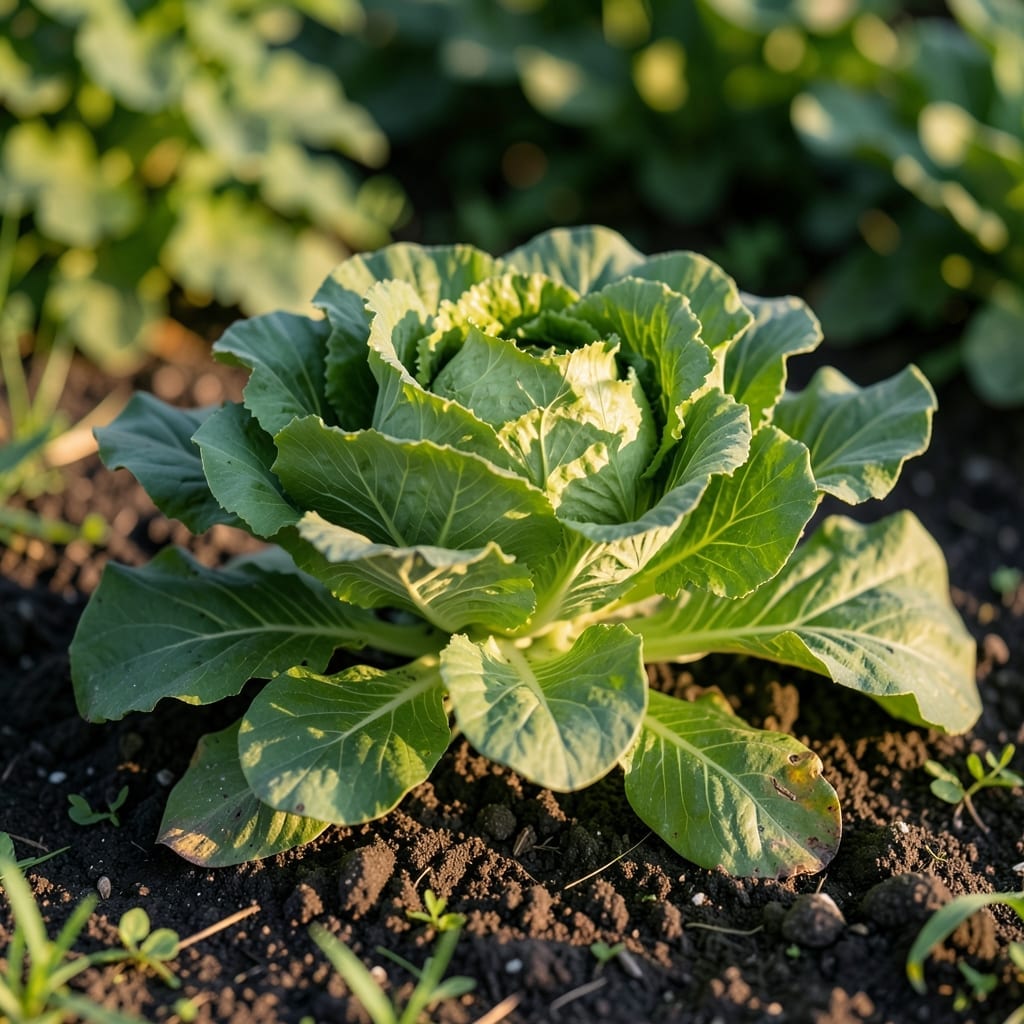
Growing crisp, healthy 🥬 starts with understanding its sunlight needs—too much can scorch the leaves, while too little leads to weak, leggy plants.
I’ve seen gardeners struggle with this balance, but the solution is simpler than you might think. Lettuce thrives with just the right amount of daily light, and I’m here to help you nail it.
Whether you’re planting in spring or extending your growing season, knowing these requirements will set you up for success. Let’s discover how to give your plants the perfect light exposure.
From variety differences to climate adjustments, I’ll share everything you need to grow vibrant, flourishing lettuce in your garden.

Lettuce thrives with the right balance of sunlight, but the ideal amount varies by type. Most varieties need 4-6 hours of direct sun daily to grow crisp, flavorful leaves. However, this can shift based on your climate and the season.
In cooler spring or fall weather, lettuce can handle more sun. But during hot summers, too much direct light can cause bolting or bitter leaves. Understanding these nuances ensures a bountiful harvest.
| Variety | Sunlight Needs | Notes |
|---|---|---|
| Leaf Lettuce | 4-5 hours | Tolerates partial shade well |
| Romaine | 5-6 hours | Needs consistent light for tight heads |
| Butterhead | 4-6 hours | Prefers morning sun in hot areas |
| Crisphead | 6 hours | Requires most sun for dense heads |
Leaf lettuce is the most adaptable, thriving with just 4-5 hours of sunlight. This makes it perfect for shadier spots or container gardens on balconies with limited sun exposure.
Romaine lettuce needs slightly more light, around 5-6 hours daily. This variety forms tighter heads, so consistent sunlight helps it develop properly without becoming leggy.
Butterhead types like Bibb or Boston do well with 4-6 hours of sun. In warmer climates, I recommend providing afternoon shade to prevent premature bolting and keep leaves tender.
Crisphead varieties, including Iceberg, demand the most light at about 6 hours daily. They need this to form their characteristic dense, crisp heads. Without enough sun, they may not mature properly.
In hotter regions, I always use shade cloth during peak afternoon hours. This protects all varieties from sunscald while still allowing them to get their needed light in morning and early afternoon.
For cooler climates, maximizing sunlight exposure is key. I position my lettuce beds to catch morning sun, which is gentler and helps dry dew from leaves, reducing disease risk.
☀️Lettuce plants are goldilocks plants when it comes to sunlight—not too much, not too little. I’ve seen leaf lettuce wilt under scorching midday sun, while butterhead grows leggy and pale in deep shade. Watch for these tells.
If your lettuce leaves turn yellow or brown at the edges, it’s likely getting too much direct sun. In contrast, tall, sparse stems with small leaves signal it’s starving for light. Both are fixable with small adjustments.
⚠️ Sun Stress Alert
For romaine lettuce, bolting (sending up a flower stalk) is a clear sign of heat stress. This often happens when temps exceed 75°F or sunlight is too intense. I move mine to afternoon shade during heatwaves.
With crisphead varieties like iceberg, loose outer leaves can mean insufficient light. These types need consistent 5-6 hours of sun to form tight heads. In my garden, I use shade cloth to filter harsh rays.
Don’t ignore soil temperature either. If the ground feels hot to touch, your lettuce roots are struggling. A mulch layer keeps soil cool and moisture stable, which helps sun-stressed plants recover faster.
Finally, morning sun is gentler than afternoon sun. I’ve found lettuce thrives with east-facing exposure, getting 4-5 hours of mild light. Adjust based on your climate zone and seasonal changes.
Small tweaks make all the difference for healthy, happy lettuce 🌱