
Beautiful Plants For Your Interior
Beautiful Plants For Your Interior
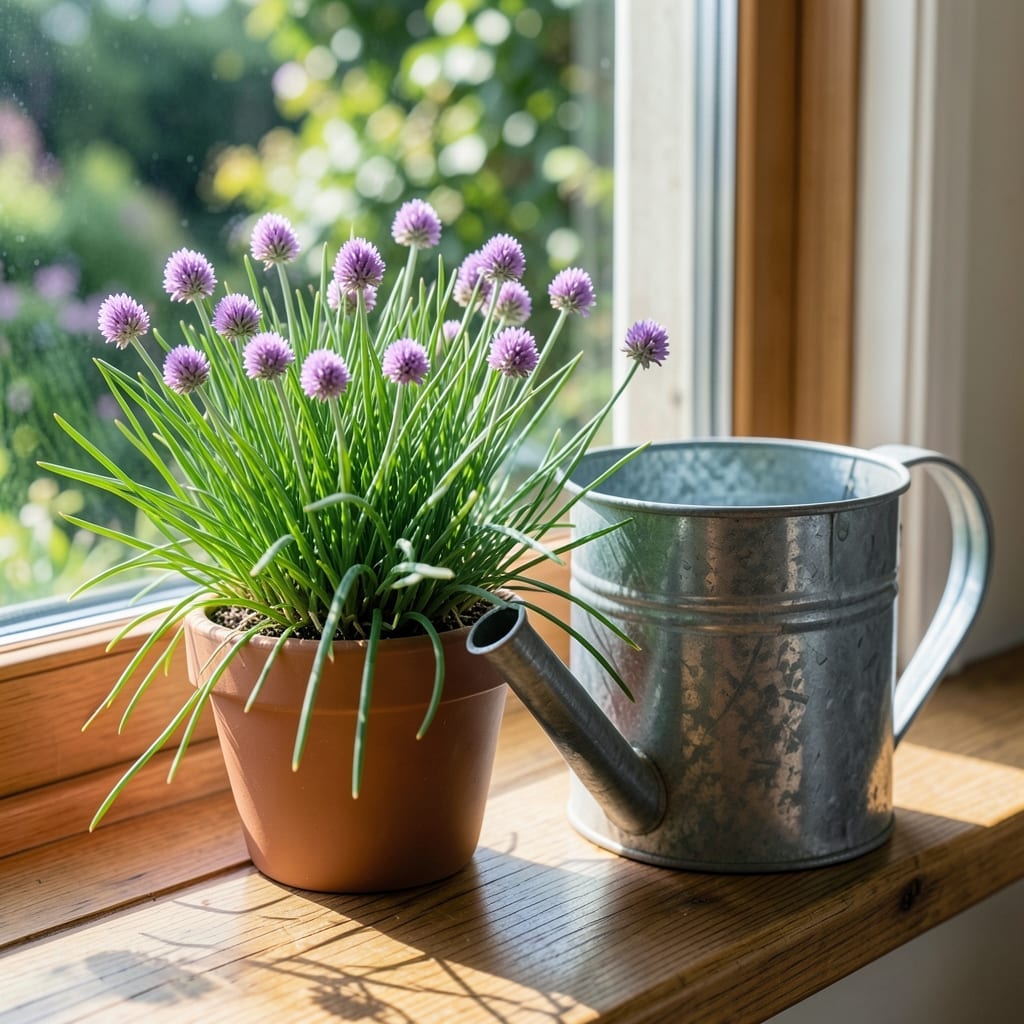
Chives are a hardy, low-maintenance herb, but getting their watering schedule wrong can turn your lush 🌱 patch into a sad, wilted mess.
I learned this the hard way when my first chive plants struggled. The difference between thriving and barely surviving often comes down to how often you water them.
Whether you’re growing Chives in containers or garden beds, the right approach keeps them vibrant without the guesswork. It’s simpler than you might think.
Discover the straightforward method to maintain perfect moisture levels for your Chives, ensuring they stay healthy and productive all season long.
Getting the watering schedule right for chives ensures they stay lush and flavorful. These hardy herbs thrive with consistent moisture but hate soggy roots. I’ll break down the ideal frequency by season and growth stage.
The key is adjusting your approach based on temperature, soil type, and whether your chives are seedlings or mature. Overwatering can rot roots, while underwatering leads to wilted, weak growth. 🌱
In spring, your chives are waking up and need weekly watering to support new growth. If your soil drains quickly, check moisture levels with your finger—top inch should feel dry before watering again.
Summer is when chives need the most attention. The heat dries soil faster, so water every 5-7 days. I always water in the early morning to reduce evaporation and prevent fungal issues.
For container-grown chives, they dry out faster than in-ground plants. Aim for every 5-7 days in warm weather, but always check soil moisture first. Pots need drainage holes to avoid waterlogging.
In fall and winter, chives enter dormancy. Cut back to every 10-14 days, or even less if rainfall is sufficient. Overwatering now can rot the roots before spring returns.
Signs of overwatering include yellowing leaves and a musty smell from the soil. If you see these, hold off watering and let the soil dry out. Underwatered chives will have drooping, brittle leaves.
Remember, well-draining soil is your best defense against overwatering. Mix in compost or sand if your garden soil holds too much moisture. This helps chives thrive with less risk of root rot. 🌿
Finally, mulching around your chives helps retain moisture and keeps roots cool. Use organic mulch like straw or shredded leaves, and you’ll find you can water less often while keeping plants happy. ✂️
Getting chives watering right is simpler than you think. I’ve found that morning watering before 10 AM prevents evaporation and fungal issues. This timing also helps flavor concentration in the leaves.
For container chives, I check soil moisture daily since pots dry out faster. In-ground plants need less frequent watering, about every 10-14 days. Always aim for 1 inch of water per week, including rainfall.
I always use the finger test—stick your finger 1 inch into the soil. If it’s dry, it’s time to water. This simple method prevents both overwatering and underwatering issues.
Mulching is a game-changer for chives. I apply a 2-inch layer of organic mulch to keep roots cool and moist. This also suppresses weeds that compete for water and nutrients.
Remember, chives in containers need more attention. I water mine every 5-7 days in summer, but always check the soil first. Overwatered chives develop yellow leaves and weak stems.
Finally, consistency is key. Chives thrive on regular watering rather than feast-or-famine cycles. This steady approach leads to lush, flavorful growth all season long 🌿