
Beautiful Plants For Your Interior
Beautiful Plants For Your Interior
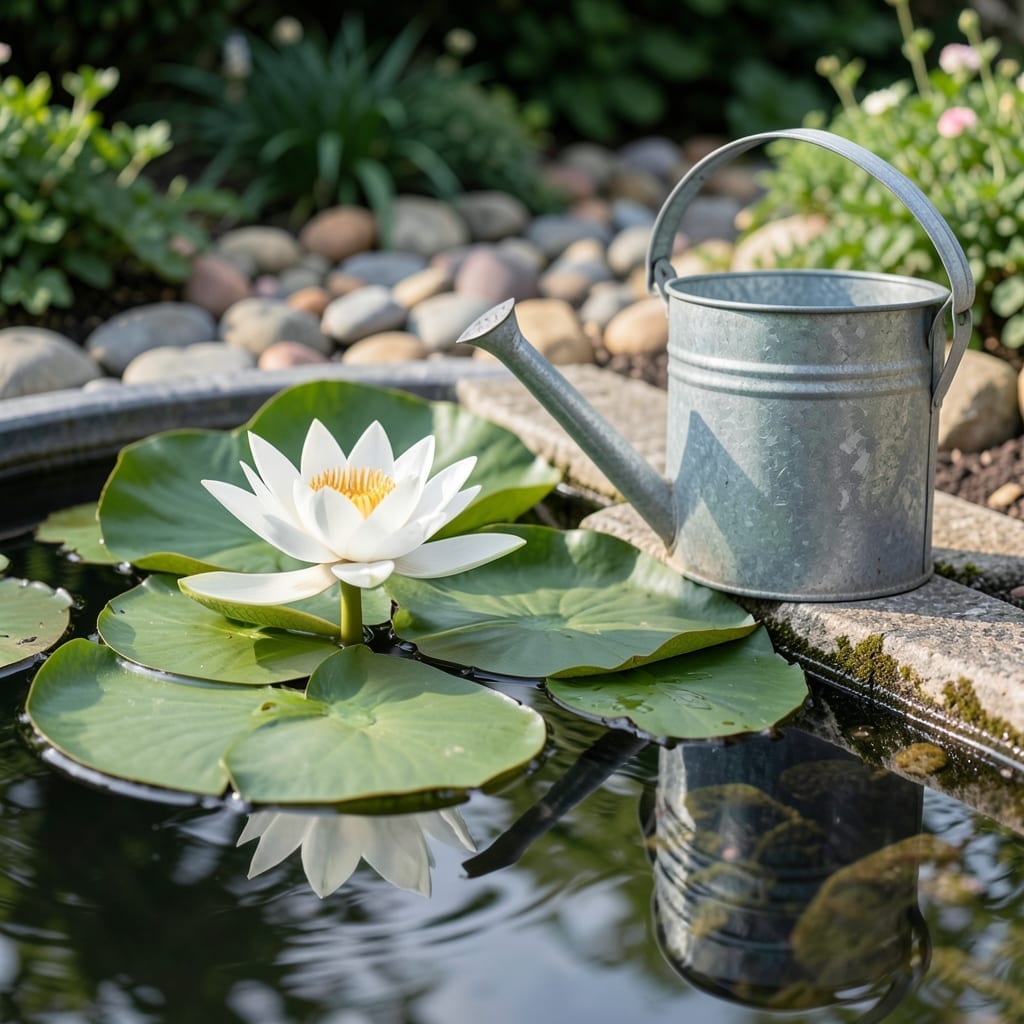
Watering lily plants correctly can mean the difference between wilted leaves and vibrant, show-stopping 🌸 blooms. Get the schedule wrong, and you risk root rot or drought stress.
I’ve seen too many gardeners struggle with their Lily plants because they didn’t understand the simple watering needs. The good news? It’s easier than you think to get it right.
Whether you’re growing them in pots or in the ground, the key is consistency. And I’m about to share exactly how to achieve that perfect balance for your Lilies.
Discover the expert-approved schedule that will keep your plants thriving all season long. Let’s dive into the details that make all the difference.
Getting the watering schedule right is key to healthy lily plants. These beauties need consistent moisture, but too much or too little can spell trouble. I’ve found that growth stage and environmental factors play a huge role in how often you should water. 🌸
For example, newly planted bulbs need more frequent watering to establish roots, while mature lilies can tolerate slightly drier conditions. Climate and soil type also shift the equation. Let’s break it down further.
| Growth Stage | Watering Frequency | Key Notes |
|---|---|---|
| Germination | Every 2-3 days | Keep soil evenly moist for sprouting. |
| Growth | Weekly | 1-2 inches of water per week. |
| Flowering | Every 5-7 days | Increase to 2x weekly in hot climates. |
| Dormancy | Bi-weekly | Reduce water but don’t let soil dry completely. |
During germination, I recommend light daily misting to keep the top inch of soil damp. This encourages root development without waterlogging. Once shoots emerge, you can scale back slightly but stay consistent. ☀️
In the growth phase, deep watering once a week works well for most soil types. If you’re in a sandy area, you may need to water every 4-5 days since sand drains faster. Always check the soil moisture first.
When lilies bloom, they’re thirstier! I’ve seen the best results with 1-2 inches of water weekly. In summer heat, bump it up to twice a week. Morning watering helps prevent fungal diseases by letting foliage dry quickly.
As dormancy approaches, ease up on watering. Bi-weekly deep watering keeps the bulbs hydrated but avoids rot. If your winters are harsh, a mulch layer helps retain moisture without overdoing it. 🌱
Clay soil holds moisture longer, so you might water less frequently. Sandy soil, on the other hand, dries out fast and needs more attention. I always test soil moisture by sticking my finger 2 inches deep—if it’s dry, it’s time to water.
For potted lilies, the rules change slightly. Containers dry out faster, so I check them every 2-3 days in summer. Use pots with drainage holes to prevent root rot. In winter, potted lilies may only need water once a month if dormant.
Finally, rainfall can supplement your watering. If your area gets 1 inch of rain in a week, you can skip your scheduled watering. Always adjust based on weather conditions and plant needs. 💧
Knowing when your lily plants are thirsty or drowning is key. I look for drooping leaves or crispy edges as clear signs they need a drink. Conversely, yellowing leaves often signal too much water.
Another red flag is mold growth on soil or leaves, which screams overwatering. If the soil feels dry an inch down, it’s time to water. These cues help me adjust my watering schedule effectively.
I’ve found that morning watering helps prevent fungal issues. If your lilies are in full sun, they’ll likely need more frequent watering than those in shade. Always check the top inch of soil before watering.
For potted lilies, I water when the soil feels dry to the touch. In-ground lilies can often go longer between waterings, but drought conditions may require extra attention. Adjust based on your climate and soil type.
If you notice stunted growth or fewer blooms, it might be a watering issue. I recommend consistent moisture without waterlogging. A drip irrigation system can help maintain this balance perfectly.
Finally, remember that lily bulbs need less water during dormancy. Overwatering in winter can cause rot. Always let the soil dry out slightly between waterings in cooler months.
With these tips, your lilies will thrive with the right water balance 🌸