
Beautiful Plants For Your Interior
Beautiful Plants For Your Interior
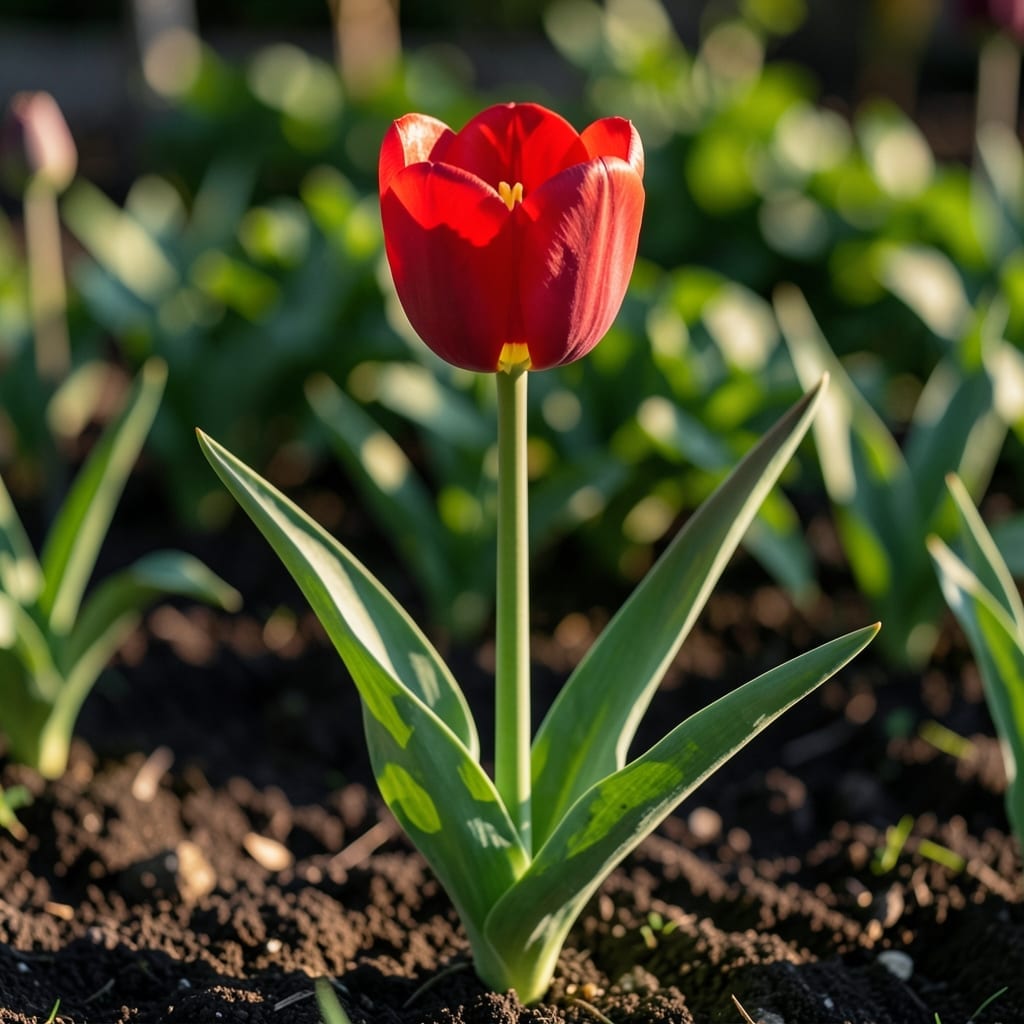
Tulips are a garden favorite, but their blooming cycle often leaves growers wondering when they’ll see those vibrant colors again. I’ve learned that understanding their natural rhythm is the key to maximizing their beauty year after year.
The 🌷 Tulip typically blooms once per year, bursting to life in spring after a fall planting. Yet not all tulips return reliably, and that’s where proper care makes all the difference.
Let me show you how to coax these stunning flowers back season after season with simple, proven strategies. You’ll be amazed at the results.
Most gardeners assume tulips bloom every year, but the reality is more nuanced. In their natural habitat, tulips are perennial plants that return annually under ideal conditions.
However, many hybrid varieties behave as annuals in home gardens, blooming once in spring and then fading. This happens because modern tulips often lack the vigor to store enough energy for future blooms.
| Stage | Timing | Key Details |
|---|---|---|
| Blooming | Spring | March to May, lasts 1-3 weeks |
| Energy Storage | Post-Bloom | Leaves photosynthesize for 6 weeks |
| Dormancy | Summer | Bulbs rest, no growth above soil |
| Root Growth | Fall | New roots form, prepares for spring |
The spring bloom is the most visible phase, but what happens after the flowers fade determines if you’ll see them again. The bulb enters a critical period where it must replenish its energy reserves.
I always remind gardeners that leaving foliage intact for at least 6 weeks post-bloom is non-negotiable. Those green leaves are working overtime to feed the bulb for next year’s show.
Species tulips like Tulipa clusiana or Tulipa fosteriana are more likely to perennialize than modern hybrids. These older varieties have retained their ability to store sufficient energy year after year.
Climate plays a huge role too. Tulips thrive in USDA zones 3-8, where they experience the cold dormancy period they need. In warmer zones, they may need pre-chilling to trigger blooming.
The planting depth also affects longevity. I plant my bulbs 6-8 inches deep, which provides insulation and encourages the bulb to establish a strong root system for future growth.
If your tulips aren’t returning, it might be due to poor soil drainage. Bulbs rot in soggy soil, so I always amend heavy clay with compost or sand before planting.
Finally, nutrient management is key. I apply a low-nitrogen fertilizer in early spring and again in fall to support bulb development without promoting excessive leaf growth.
By understanding these natural cycles and providing the right conditions, you can enjoy annual tulip blooms that get more spectacular each year 🌷
Getting tulips to rebloom annually starts with proper planting. I always plant bulbs 6-8 inches deep in well-draining soil to prevent rot and encourage strong root development.
Sunlight is non-negotiable—6+ hours daily ensures bulbs store enough energy. Without adequate light, tulips may produce weak stems or fail to bloom the following year.
Deadheading is crucial—I remove faded blooms immediately to prevent seed formation, which drains the bulb’s energy. But I never touch the leaves until they’ve turned yellow and wilted.
For fertilizer, I use a 5-10-10 formula in early fall to promote root growth. A second application in early spring gives bulbs a boost as they emerge from dormancy.
Species tulips like Fosteriana or Greigii are my go-to for reliable reblooming. These heritage varieties are hardier and more self-sufficient than modern hybrids.
If your tulips still refuse to return, check for poor drainage or pest damage. Squirrels and voles love tulip bulbs, so I sometimes use chicken wire cages at planting time for protection.
With these simple steps, you’ll enjoy yearly tulip displays that brighten your spring garden 🌷