
Beautiful Plants For Your Interior
Beautiful Plants For Your Interior
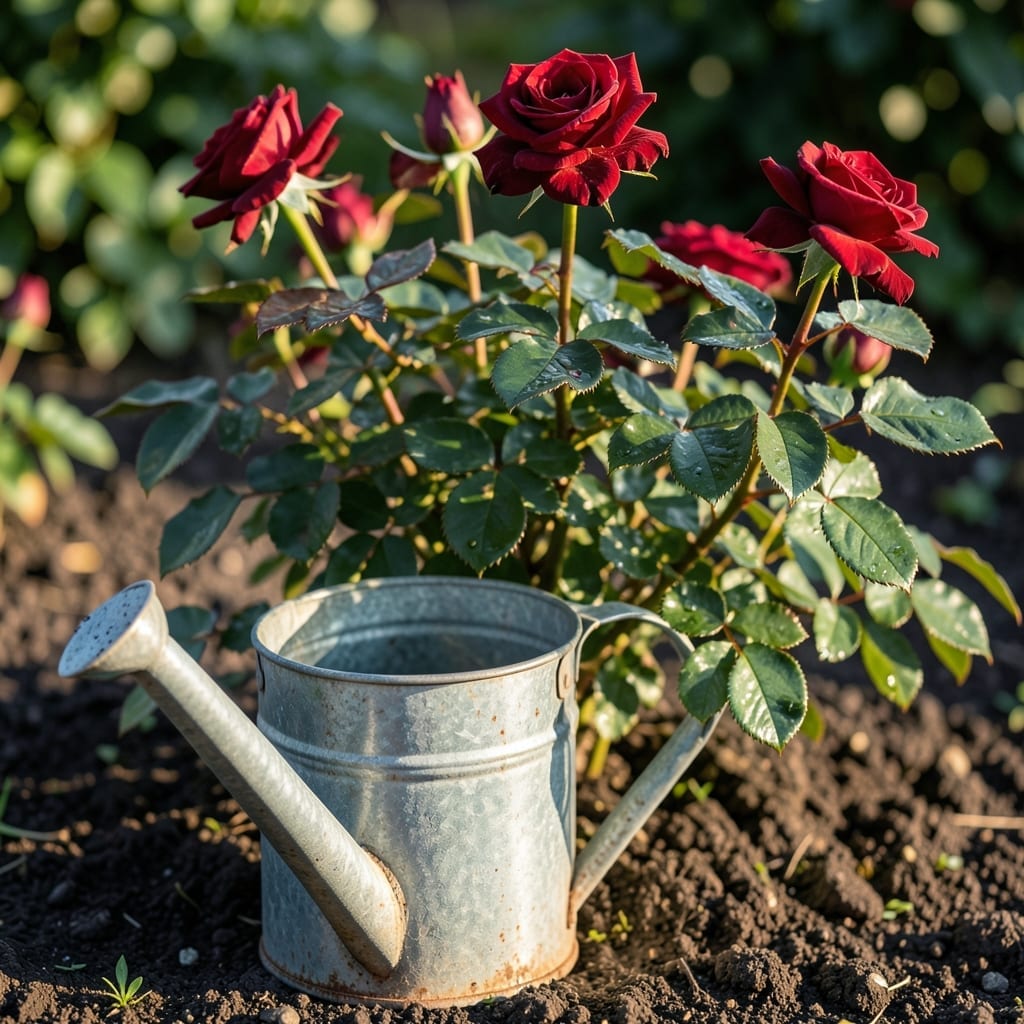
Watering Flowers seems simple, but overdoing it or neglecting their needs can mean the difference between vibrant blooms and a sad, wilted garden.
Getting the balance right is the key to thriving plants all season long. Whether you’re new to gardening or have years of experience, understanding proper hydration makes all the difference.
Let me walk you through how to keep your 🌸 Flowers perfectly watered without the guesswork. You’ll see healthier blooms in no time.
Proper watering is the foundation of healthy flower growth. Annuals, perennials, and bulbs each have unique hydration needs that shift with the seasons.
In spring, most flowers need 1 inch of water weekly, but this can double during hot summer months. Soil type and climate play huge roles in how often you should water.
| Flower Type | Spring | Summer | Fall |
|---|---|---|---|
| Annuals | 1 inch weekly | 1-2 inches 2-3x week | 1 inch weekly |
| Perennials | 1 inch weekly | 1.5 inches 2x week | 1 inch bi-weekly |
| Bulbs | 0.5 inch weekly | 1 inch weekly | 0.5 inch bi-weekly |
Sandy soils drain quickly, so they need more frequent watering. Clay soils hold moisture longer, so I water less often but more deeply to prevent waterlogging.
For potted flowers, check the top inch of soil daily. If it feels dry, it’s time to water. Container plants dry out faster than those in the ground, especially in hot weather.
I always water in the early morning before 10 AM. This gives plants time to absorb moisture before the heat of the day and reduces evaporation loss. 🌿
Drought-tolerant flowers like lavender or coneflowers need less water once established. Meanwhile, water-loving varieties such as impatients or begonias require consistent moisture.
During extreme heat waves, I increase watering frequency by 20-30%. But remember, it’s better to water deeply and less often than shallowly and frequently. This encourages strong root growth.
In fall, as temperatures cool, I gradually reduce watering. Bulbs need minimal water after their foliage dies back. Perennials benefit from a deep watering before winter to help them store energy.
Always use room-temperature water to avoid shocking your plants. And if you’re unsure, stick your finger in the soil—if the top 2-3 inches are dry, it’s time to water. 🌱
Your flowers can’t talk, but they show clear signs when their water needs aren’t met. Learning to read these signals helps prevent damage before it’s too late.
I check my garden daily for visual cues like drooping leaves or color changes. Catching issues early means I can adjust my watering routine before my plants suffer.
The finger test is my go-to for checking soil moisture. I insert my finger 2-3 inches deep—if it feels dry, it’s time to water.
For potted plants, I lift the container to check its weight. A light pot usually means the soil is dry and needs water.
Morning wilting that recovers by noon often means underwatering, while evening wilting that persists suggests overwatering or root issues.
I also pay attention to leaf texture. Soft, limp leaves usually need water, while swollen, squishy leaves have had too much.
Remember, newly planted flowers need more frequent watering until their root systems establish. After that, most flowers prefer deep, infrequent watering to encourage strong roots. 🌸