
Beautiful Plants For Your Interior
Beautiful Plants For Your Interior
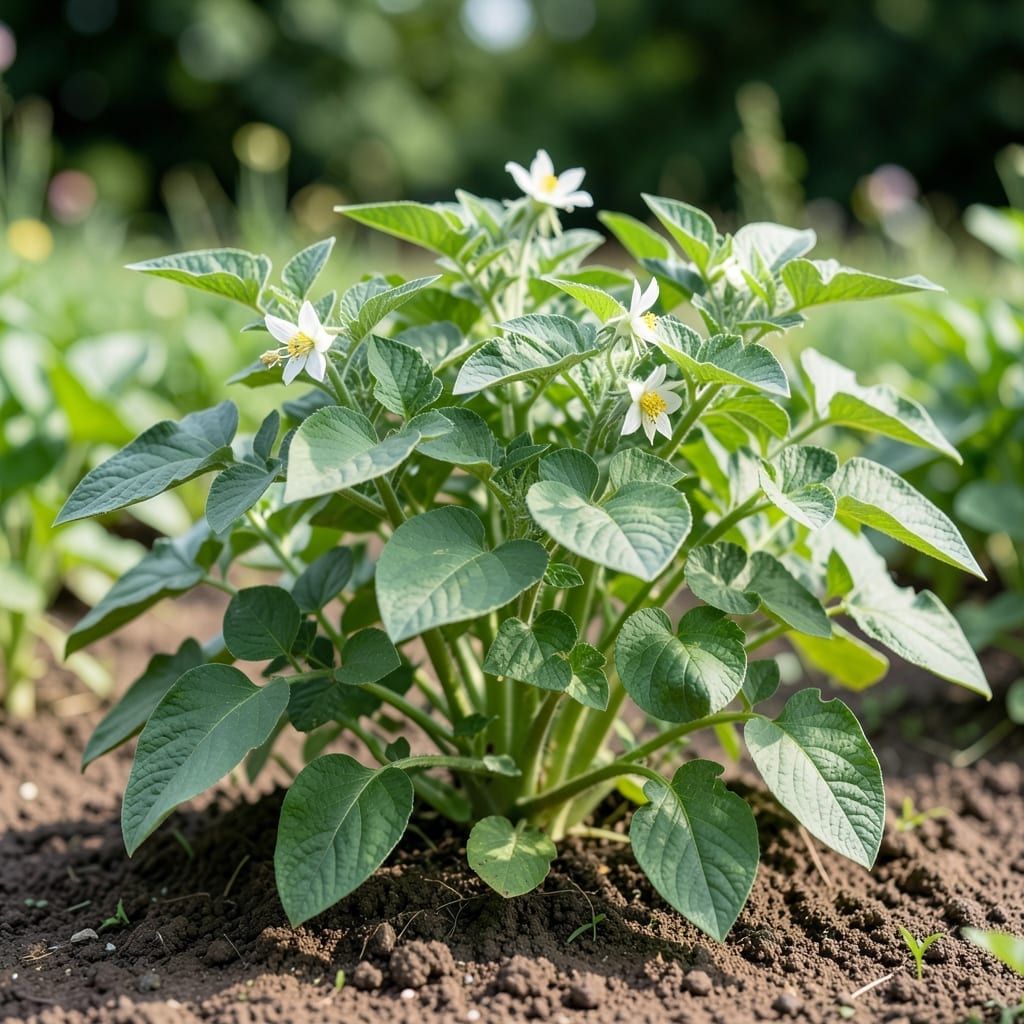
Potatoes are a garden staple, but their sunlight needs often puzzle even experienced growers. Getting the right amount of sun is the key to maximizing your harvest.
The 🥔 Potato thrives with proper light exposure, yet many gardeners unknowingly sabotage their crop by misjudging this crucial factor. In Zone 6, timing and sunlight work hand in hand for success.
Let me show you exactly how to nail the perfect balance. With these insights, you’ll be well on your way to a bumper crop of healthy, sun-kissed potatoes this season.


If you want healthy potato plants and a bumper harvest, sunlight is non-negotiable. I’ve found that 6-8 hours of direct sun daily is the sweet spot for most varieties.
Full sun exposure ensures robust tuber formation and maximizes yield. Without enough light, plants grow leggy and produce smaller spuds.
| Requirement | Specification |
|---|---|
| Daily Sunlight | 6-8 hours direct sun |
| Light Type | Full sun, direct exposure |
| Early Varieties | Tolerate 6 hours |
| Late Varieties | Need 8+ hours |
| Minimum for Growth | 4-6 hours (reduced yield) |
Early-season potatoes can manage with 6 hours of sun, but they’ll thrive with more. I always aim for the higher end to ensure plump, flavorful tubers.
Late-season varieties, like Russets or Yukon Golds, demand 8+ hours. They need that extra energy for their longer growing period.
If your garden falls short, don’t panic. Potatoes can survive on 4-6 hours, but expect smaller yields and slower growth. It’s a trade-off many urban gardeners accept.
I’ve noticed that partial shade often leads to taller, spindly plants with fewer tubers. The plants stretch toward the light, diverting energy from tuber production.
Direct sunlight is critical during the tuber bulking phase. This is when the plant focuses on growing those underground treasures we love to harvest.
In my experience, morning sun is preferable to harsh afternoon rays. It’s gentler on the plants and reduces the risk of heat stress, especially in warmer climates.
If you’re in a hot climate, consider afternoon shade to prevent scorching. A little relief from intense sun can actually improve your harvest in extreme conditions.
Remember, consistent sunlight is key. Fluctuating light conditions can stress the plants, leading to uneven growth and lower yields. ☀️
While potatoes prefer full sun, they can grow in partial shade with some adjustments. I’ve successfully harvested spuds with just 4-6 hours of sunlight daily.
However, expect smaller tubers and lower yields. The plants will focus more on foliage growth than tuber production when light is limited.
To compensate for less sunlight, I recommend rich, well-draining soil and consistent moisture. This helps the plants make the most of available light.
Early varieties like Red Pontiac or Yukon Gold tend to do better in partial shade than late-season types. Their shorter growing period means they need less total light.
In my experience, morning sun is better than afternoon sun for partial shade setups. The cooler morning temperatures reduce stress on the plants.
If you’re container gardening, move pots to follow the sun throughout the day. Even an extra hour of light can significantly boost your harvest.
Remember, leafy greens might outcompete your potatoes in shady spots. Keep the area weed-free to minimize competition for light and nutrients. 🌿