
Beautiful Plants For Your Interior
Beautiful Plants For Your Interior
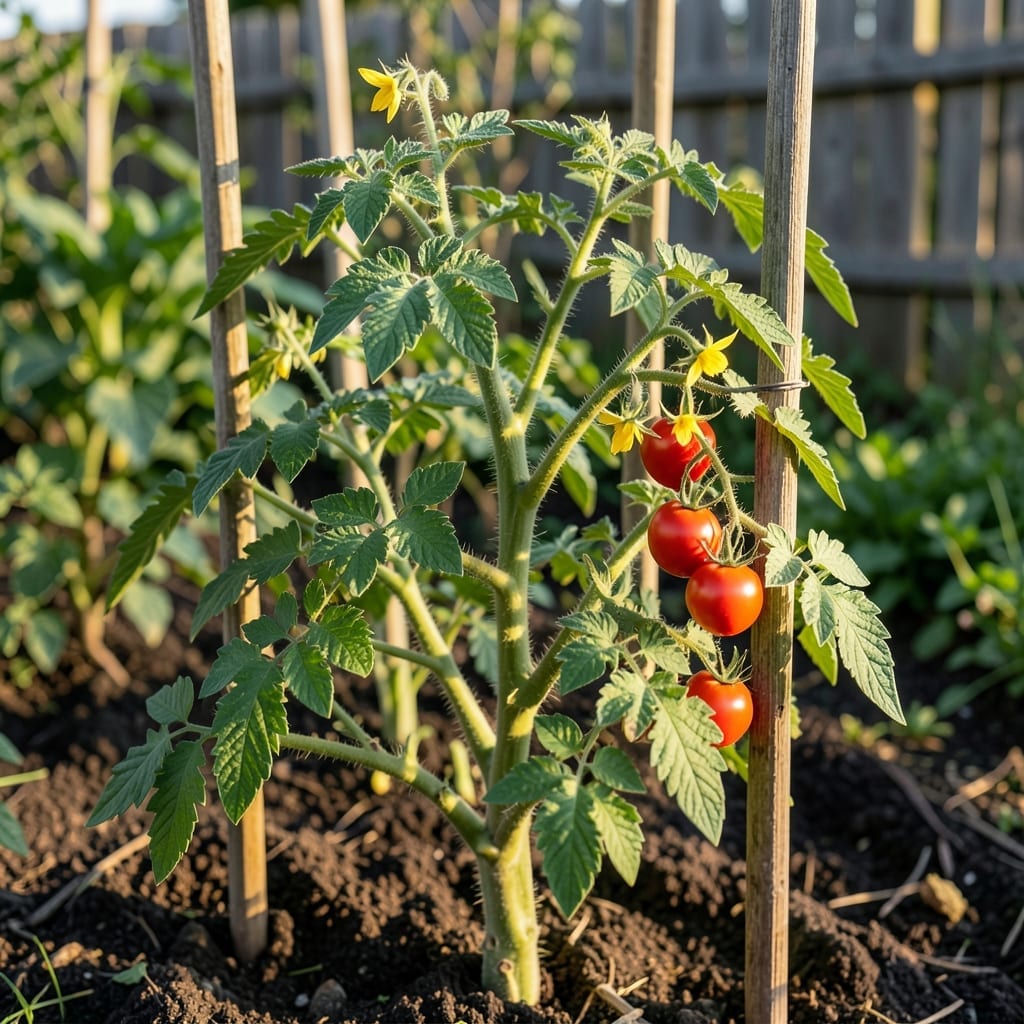
Tomato plants thrive on sunlight, but getting the balance right is key to a bumper crop. Too little light leads to leggy, weak 🍅, while too much can scorch leaves in scorching climates.
I’ve seen firsthand how the right amount of sun transforms a struggling plant into a productive one. Whether you’re growing cherry or beefsteak varieties, understanding their needs makes all the difference.
Discover how to give your Tomato plants the perfect light exposure for healthy growth and maximum yield this season.

Tomato plants are sun-worshippers, but not all varieties have identical needs. I’ve learned that cherry tomatoes often thrive with slightly less sun than beefsteak varieties, though both prefer full exposure. ☀️
The general rule is 6-8 hours of direct sunlight daily, but determinate types may produce well with 6 hours, while indeterminate vines can handle up to 10 hours in cooler climates. 🌱
| Variety | Minimum Sun | Optimal Sun | Climate Notes |
|---|---|---|---|
| Cherry | 6 hours | 8 hours | Tolerates partial shade |
| Beefsteak | 8 hours | 10 hours | Needs full sun |
| Heirloom | 7 hours | 9 hours | Sensitive to heat |
| Determinate | 6 hours | 8 hours | Compact growth |
In my garden, heirloom varieties often need protection from intense afternoon sun, especially in zones with scorching summers. I use 30% shade cloth to prevent leaf burn while maintaining productivity. 🌡️
Indeterminate tomatoes are the sun lovers of the bunch. These vining plants can grow 10+ feet tall in ideal conditions, so I give them the sunniest spot available, often training them up tall trellises to maximize exposure. 🌿
For container gardeners, cherry tomatoes are the most forgiving. I’ve successfully grown them on balconies with 6-7 hours of sun, though they’ll produce more abundantly with 8+ hours of direct light daily. 🪴
Remember that light intensity matters as much as duration. In cloudy climates, I position my plants to catch every possible ray, sometimes using reflective surfaces to bounce additional light onto the foliage. ☀️
If you’re in a hot climate, afternoon shade can actually benefit your plants. I’ve noticed that beefsteak tomatoes in particular appreciate this break from intense heat, which can cause blossom drop if temperatures exceed 90°F. 🌳
For those with limited sun, determinate varieties like ‘Roma’ or ‘Celebrity’ are excellent choices. They’ll produce a good crop with 6-7 hours of sunlight, making them perfect for smaller gardens or patios. ✂️
No matter the variety, consistent sunlight is key. I always track my garden’s sun patterns before planting, using a simple sun calculator app to ensure each plant gets its needed daily dose of light. 💧
Even with the best intentions, tomato plants can suffer from insufficient sunlight. I notice yellowing leaves first, especially on the lower stems, which often signals chlorosis from lack of light. ☀️
Sparse foliage and long, leggy stems are other red flags. When plants stretch toward the light, they’re literally reaching for more sun, which weakens their structure and reduces fruit production. 🌱
⚠️ Warning: Poor fruiting is a classic sign of sun deprivation. If your tomato plants bloom but fail to set fruit, they likely need more direct sunlight to support development.
Another telltale sign is smaller-than-normal tomatoes. I’ve seen cherry tomatoes stay tiny and beefsteaks fail to plump up when they’re not getting enough light. The plant simply can’t photosynthesize enough energy. 🌿
If you spot leaning stems or plants growing toward one direction, they’re phototropically seeking sunlight. This uneven growth can lead to structural weaknesses and make plants more susceptible to disease. ✂️
Quick fixes include relocating potted plants to sunnier spots or pruning nearby trees that cast shadows. I’ve also had success with reflective mulches to bounce extra light onto the foliage. 💧
For in-ground plants, consider thinning surrounding vegetation or using vertical gardening techniques to elevate your tomatoes. Even moving them a few feet can make a significant difference in sun exposure. 🌳