
Beautiful Plants For Your Interior
Beautiful Plants For Your Interior
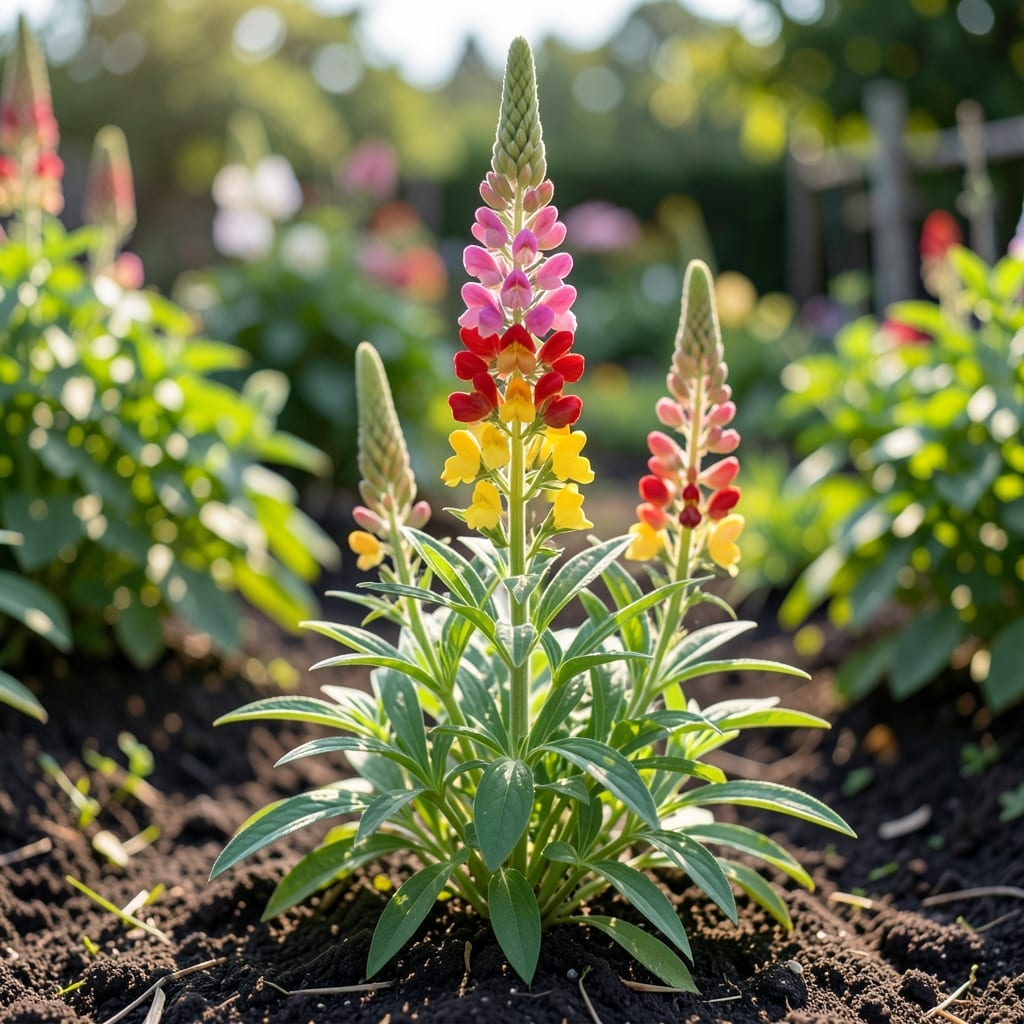
Snapdragons bring vibrant color and vertical interest to any garden, but their sun requirements often confuse even experienced gardeners. Getting the light right is the key to lush blooms and healthy plants.
The 🌸 Snapdragon thrives when given proper sunlight, yet too much or too little can stunt its growth. I’ve seen firsthand how the right balance transforms these beauties from struggling to spectacular.
Let me walk you through exactly what these flowers need to flourish in your garden. You’ll discover simple, practical tips to ensure your Snapdragons get just the right amount of sun.

Snapdragons thrive with 6-8 hours of sunlight daily, making them perfect for full sun locations. In my experience, they perform best when receiving morning sun and some afternoon shade in hotter zones.
These hardy flowers can tolerate partial shade, especially in warmer climates where intense afternoon sun might scorch their leaves. The key is finding that sweet spot of bright, consistent light without overheating.
| Climate Zone | Sunlight Needs | Notes |
|---|---|---|
| Cool (Zones 3-5) | Full sun | 6-8 hours direct light |
| Moderate (Zones 6-8) | Full to partial sun | Afternoon shade in summer |
| Hot (Zones 9-11) | Partial shade | Morning sun, afternoon shade |
In cooler climates, I recommend planting snapdragons where they’ll get maximum sunlight. The extra warmth helps them grow taller and produce more blooms throughout the season.
For moderate zones, a location with morning sun and dappled afternoon shade works wonders. This protects the plants from the hottest part of the day while still giving them enough light.
Gardeners in hotter regions should focus on eastern exposures or spots with filtering shade from trees. This prevents heat stress while maintaining good flower production.
Remember, container-grown snapdragons give you flexibility to move them as the seasons change. I’ve had great success shifting pots to follow the ideal light conditions.
If you’re unsure about your garden’s light, observe it for a day. 6-8 hours of direct sunlight is ideal, but these adaptable flowers will often thrive with slightly less in very hot areas.
Their sunlight needs do change slightly with the seasons. In spring and fall, full sun is usually fine, but in peak summer, some afternoon protection is beneficial.
For the best results, I always recommend testing different spots in your garden. Snapdragons will quickly show you if they’re getting too much or too little light through their growth patterns and bloom quality.
With the right sunlight, you’ll be rewarded with vibrant blooms from early summer until the first frost ☀️
Your snapdragons will tell you if their sun exposure isn’t right. I’ve learned that wilting leaves in the afternoon often signal too much heat, while leggy growth usually means they need more light.
Leaf scorch appears as brown, crispy edges when plants receive excessive direct sun. In contrast, pale or yellowing leaves suggest they’re not getting enough sunlight to photosynthesize properly.
If your snapdragons are not blooming, it’s often because they’re getting insufficient light. These plants need that 6-8 hours of sun to produce their signature flower spikes.
In my garden, I noticed stunted growth when snapdragons were in deep shade. Moving them to a sunnier spot transformed them within weeks, with taller spikes and more abundant flowers.
For container plants, watch for soil drying too quickly in full sun. This indicates the roots may be getting too hot, and the pot might need to be moved to a spot with partial shade.
Remember, morning sun is always gentler than afternoon sun. If you see heat stress, try relocating your snapdragons to an east-facing location where they’ll get that softer light to start their day.
With careful observation, you’ll find the perfect balance for healthy snapdragons that bloom beautifully 🌸