
Beautiful Plants For Your Interior
Beautiful Plants For Your Interior
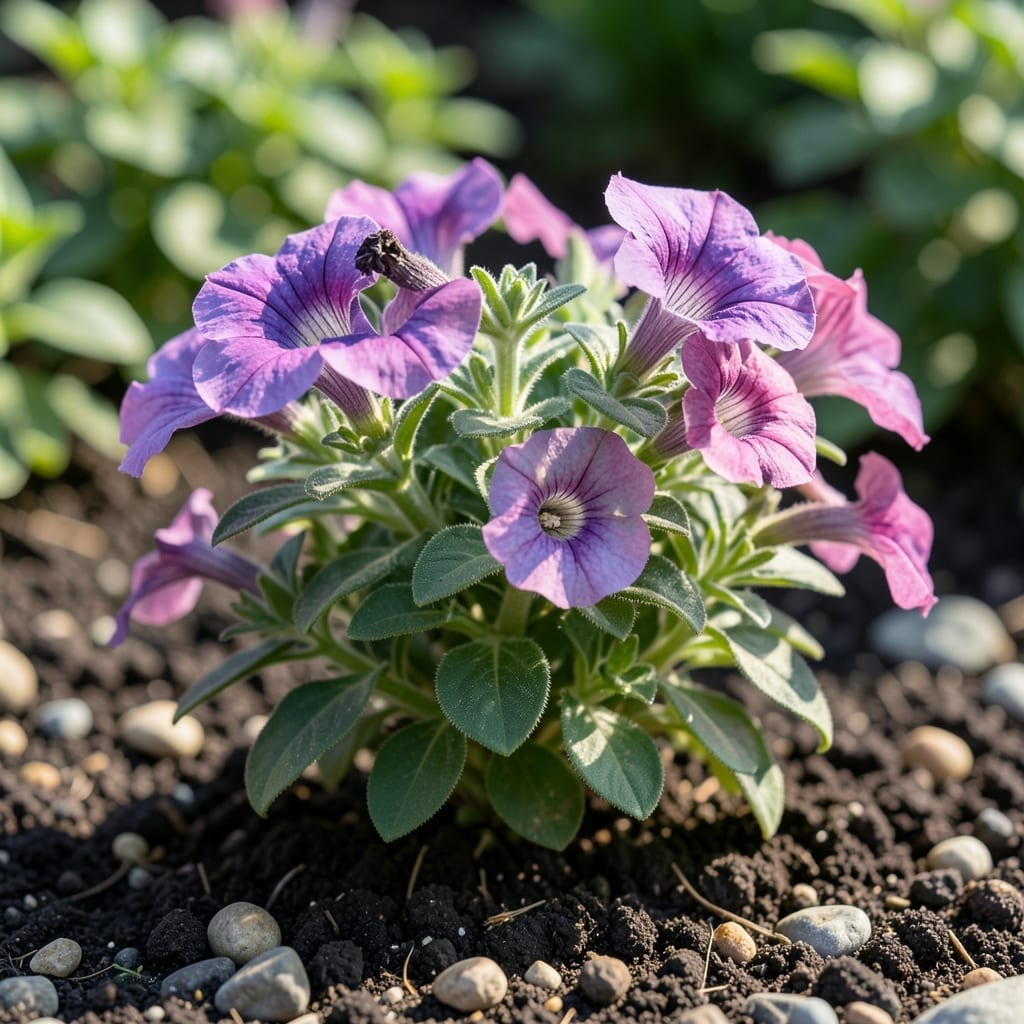
Petunias are beloved for their vibrant 🌸 blooms and easy care, but their sun requirements often puzzle even experienced gardeners. Getting this right means the difference between lackluster plants and a spectacular display.
I’ve seen firsthand how proper sunlight transforms these flowers. The good news? It’s simpler than you think to provide exactly what they need for best results.
Discover the ideal daily exposure that will keep your Petunias thriving from spring through fall. Let me show you how to make it happen.

I’ve grown petunias for years, and I can tell you that sunlight is the make-or-break factor for their performance. Most varieties thrive with 6+ hours of direct sun daily, but the exact needs vary by type.
From grandiflora to wave petunias, each has its own sweet spot for sunlight. Getting this right ensures vibrant blooms and healthy growth all season long. ☀️
| Variety | Minimum Sun | Ideal Sun | Bloom Impact |
|---|---|---|---|
| Grandiflora | 6 hours | 8+ hours | Largest blooms |
| Multiflora | 5 hours | 6-8 hours | Prolific flowers |
| Wave | 4-6 hours | 6+ hours | Trailing habit |
| Milliflora | 5 hours | 6-7 hours | Tiny, abundant blooms |
In my experience, grandiflora petunias demand the most sun to produce those show-stopping 4-5 inch blooms. They’ll tolerate partial shade but won’t perform as spectacularly.
Multiflora varieties are slightly more forgiving. I’ve seen them bloom reasonably well with just 5 hours of sun, though they truly shine with a full day’s exposure.
For wave petunias, the trailing stars of containers, I recommend at least 6 hours of sun. They’re bred for versatility but need consistent light to maintain their vigorous growth habit.
Milliflora petunias, with their delicate 1-inch flowers, are perfect for gardeners with slightly shadier spots. They’ll still produce an abundance of blooms with just 5-6 hours of sunlight.
Remember, these are minimums. For the best results, I always aim for the higher end of the range. More sun typically means more flowers, but we’ll cover the limits in the next section.
In hotter climates, I’ve found that afternoon shade can actually benefit petunias, preventing heat stress while still giving them the light they crave. It’s all about balance.
Don’t forget that container-grown petunias often need more frequent watering in full sun, as pots dry out faster than garden beds 🌱
In my garden, I’ve learned that petunias send clear signals when they’re sun-deprived. The first sign is usually leggy growth, where stems stretch abnormally toward light sources.
Another red flag is sparse blooming. If your plants produce fewer vibrant flowers than expected, they likely need more direct sunlight to fuel their energy. ☀️
⚠️ Warning: Pale leaves and weak stems are classic symptoms of insufficient sunlight. These plants struggle to photosynthesize effectively, leading to poor health and reduced flowering.
I’ve also noticed that petunias in shade often develop smaller blooms with less intense colors. The flowers may appear washed out compared to their sun-kissed counterparts.
If your container petunias are flopping over or growing unevenly, they’re probably reaching for more light. I recommend rotating pots regularly to ensure all sides get equal exposure.
For garden beds, thin out nearby plants that might be casting shade. I’ve had great success with companion planting low-growing herbs that don’t block sunlight.
Remember, even partial shade varieties need some direct sun. I aim for at least 4-5 hours of morning sun, which is gentler than harsh afternoon rays.
When relocating sun-starved petunias, do it gradually over 3-4 days to prevent shock. I’ve saved many plants this way 🌱