
Beautiful Plants For Your Interior
Beautiful Plants For Your Interior
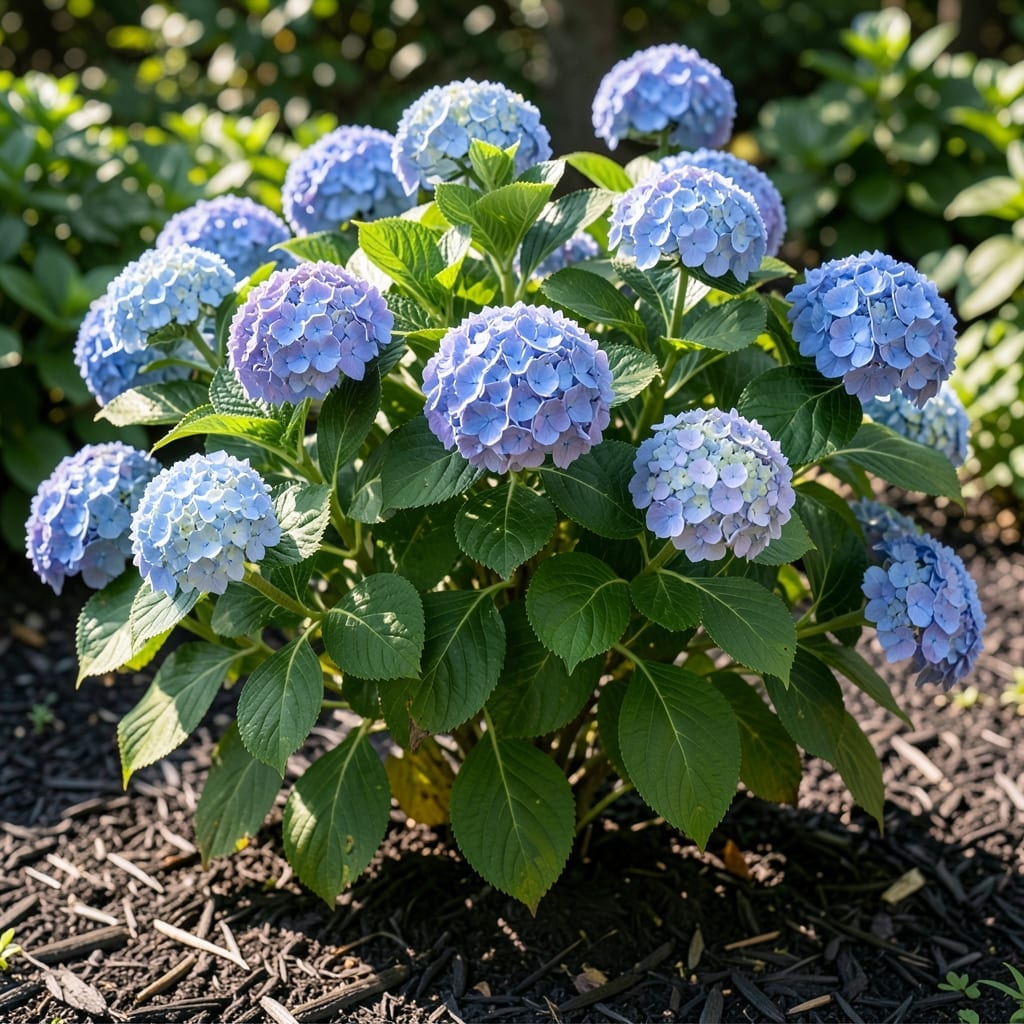
Hydrangeas can transform any garden with their lush, vibrant blooms—but get the sunlight wrong, and you might end up with weak stems or disappointing flowers. The 🌸 Hydrangea thrives when its light needs are met precisely.
I’ve seen gardens where these shrubs struggle in full sun and others where they languish in deep shade. The difference comes down to understanding their unique requirements.
Discover how to provide the ideal balance of light for your Hydrangea, ensuring healthy growth and stunning blooms all season long.

Not all hydrangeas have the same sunlight needs. I’ve learned that the ideal light exposure varies significantly between varieties, directly impacting their blooming success and overall health.
The most common types—bigleaf hydrangeas like mophead and lacecap—prefer partial shade with only 2-6 hours of direct sun, especially in hotter climates. This protects their delicate foliage from scorching.
| Variety | Sunlight Needs | Bloom Impact |
|---|---|---|
| Bigleaf (Mophead/Lacecap) | 2-6 hours morning sun | Best blooms in partial shade |
| Panicle (Pee Wee/Limelight) | 6-8 hours full sun | Thrives in full sun, drought-tolerant |
| Oakleaf | 4-6 hours dappled sun | Prefers shade, fall color enhancement |
| Smooth (Annabelle) | 3-6 hours sun to part shade | Adaptable, large white blooms |
Panicle hydrangeas like ‘Limelight’ are the sun-lovers of the group. They can handle full sun for 6-8 hours daily, especially in cooler climates. Their cone-shaped blooms actually become more vibrant with more sunlight.
Oakleaf hydrangeas prefer dappled sunlight for about 4-6 hours. These native shrubs thrive under tall trees, where they get protection from harsh afternoon rays while still receiving enough light to produce their distinctive oak-shaped leaves.
The smooth hydrangea, known for its large white flower heads, is incredibly adaptable. It performs well with 3-6 hours of sun but can tolerate full sun in northern gardens. I find these particularly forgiving for beginners.
In my experience, morning sun is always best for hydrangeas. The gentle rays help dry dew from leaves, reducing disease risk. Afternoon shade becomes crucial in warmer zones, where intense sun can scorch leaves and wilt blooms.
For northern gardens, most hydrangeas can handle more sun. But in southern climates, even sun-loving varieties benefit from afternoon shade. I always recommend observing your garden’s microclimates to find the perfect spot.
Remember that soil moisture affects sun tolerance too. Hydrangeas in well-draining soil can handle more sun than those in heavy clay. Consistent moisture helps them cope with brighter conditions.
If you’re unsure about your variety, watch how your plant responds. Healthy hydrangeas have deep green leaves and sturdy stems. Adjust their position if you notice leaf scorch or weak growth.
With the right sunlight balance, you’ll be rewarded with lush foliage and abundant blooms season after season ☀️🌸
Even with the best intentions, hydrangeas can show signs of sunlight stress. I’ve learned to watch for specific symptoms that indicate whether my plants are getting too much or too little light.
The most obvious sign of too much sun is leaf scorch, where edges turn brown and crispy. This typically appears on the most exposed leaves first, especially during hot afternoons in summer.
⚠️ Sun Stress Warning
Brown leaf edges = too much sun. Yellow leaves = too little light. Adjust exposure immediately to prevent permanent damage.
Wilting flowers that recover at night often signal heat stress. While some afternoon wilting is normal in extreme heat, persistent drooping means your hydrangea needs more shade or consistent moisture.
On the other end, too little sun shows as poor flowering or small, sparse blooms. Your hydrangea might produce lots of green foliage but few flowers, or the blooms may appear pale and undersized.
Leggy growth with long stems and widely spaced leaves is another red flag. This happens when plants stretch toward light, resulting in weak, floppy stems that can’t support their blooms.
For bigleaf hydrangeas, insufficient light often causes color fading in blooms. Those vibrant blues or pinks you love may turn pale or greenish without enough sunlight.
If you notice these signs, try moving potted hydrangeas or using shade cloth for those in ground. Even small adjustments can make a big difference in your plant’s health and flowering ☀️🌸