
Beautiful Plants For Your Interior
Beautiful Plants For Your Interior
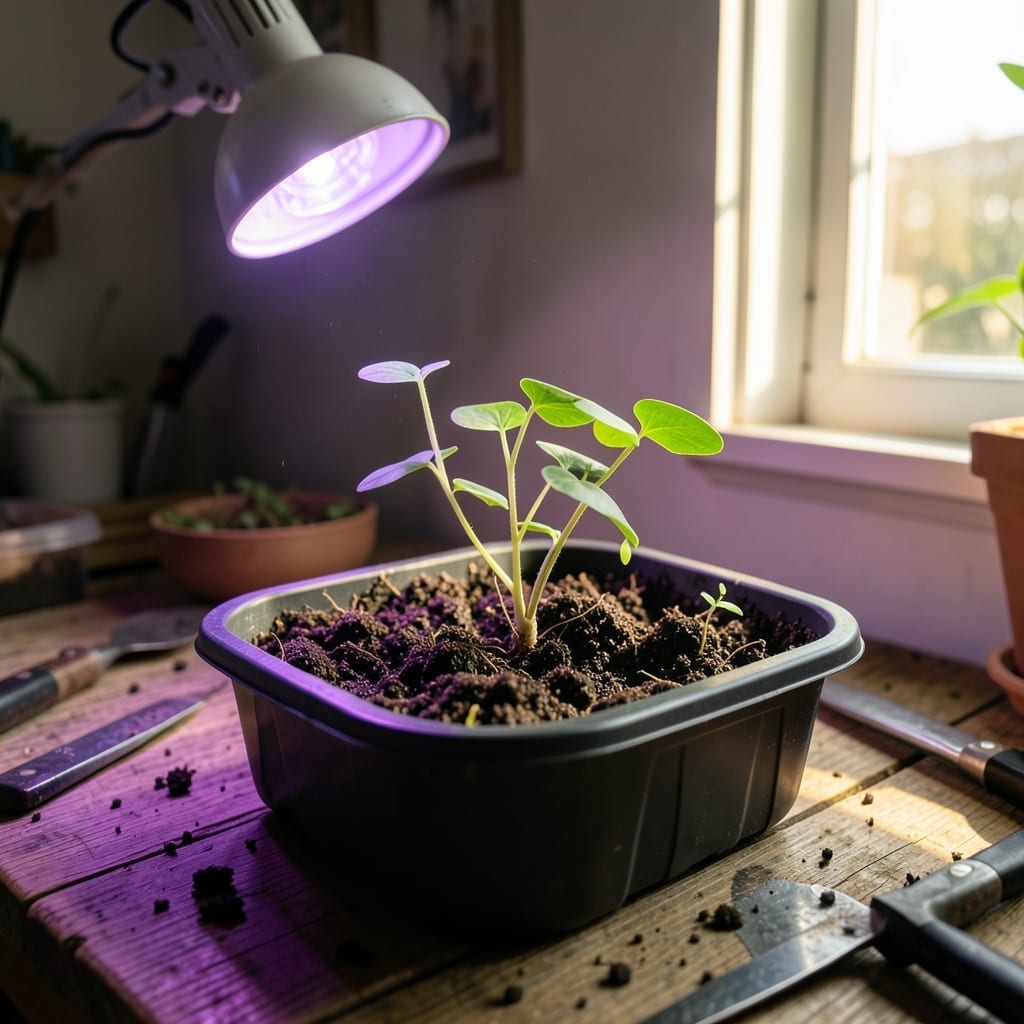
Proper lighting is the key between spindly, weak 🌱 seedlings and strong, thriving plants ready for transplanting. Get the daily light requirements wrong, and your seedlings may stretch, pale, or even die before maturity.
I’ve seen firsthand how the right amount of light transforms struggling starts into vibrant, healthy plants. Whether you’re working with a sunny windowsill or grow lights, the difference is dramatic.
Discover how to provide the ideal light conditions for your seedlings. Let’s explore what it takes to give them the best start possible.

Getting the light requirements right is crucial for healthy seedling development. Most vegetable and flower seedlings need 12-16 hours of light daily to grow strong and sturdy.
I’ve found that cool-season crops like lettuce and spinach can thrive with slightly less light, while warm-season plants like tomatoes and peppers demand the full 14-16 hours for optimal growth.
| Plant Type | Daily Light Needs | Light Intensity |
|---|---|---|
| Tomatoes, Peppers | 14-16 hours | High |
| Lettuce, Spinach | 12-14 hours | Medium |
| Herbs (Basil, Parsley) | 12-16 hours | Medium-High |
| Flowers (Marigolds, Zinnias) | 12-14 hours | Medium |
Natural sunlight from a south-facing window can work, but I recommend supplementing with full-spectrum LED grow lights for consistent results, especially in winter.
For indoor setups, place lights 2-4 inches above seedlings and adjust as they grow. This prevents leggy growth and ensures even exposure.
Full-spectrum LEDs are my top choice because they provide the blue and red wavelengths seedlings need for both vegetative growth and flowering later on.
If using fluorescent lights, opt for T5 or T8 bulbs and keep them on for 14-16 hours daily. These are budget-friendly but less efficient than LEDs.
For cool-season crops, you can get away with 12 hours of light, but don’t go below this or you’ll risk weak, spindly seedlings that struggle to thrive.
Remember, light intensity matters just as much as duration. Seedlings under weak light will stretch toward the source, leading to poor stem strength and instability.
I always use a timer to automate light cycles. This ensures seedlings get consistent exposure without me having to manually turn lights on and off each day.
With the right setup, you’ll see compact, green seedlings ready for transplanting in no time. ☀️
The first sign of insufficient light is leggy seedlings—tall, thin stems with sparse leaves. This happens when plants stretch toward any available light source, weakening their structure.
Another red flag is pale or yellowing leaves, which indicate the seedling isn’t producing enough chlorophyll due to low light. Slow growth is also a common symptom that often goes unnoticed until it’s too late.
Leggy growth and weak stems are clear signs your seedlings need more light immediately.
Move them closer to a bright window or add grow lights to prevent permanent damage. 🌱
If your seedlings are leaning toward the light, rotate your trays daily to ensure even exposure. This simple step prevents uneven growth and strengthens stems.
For indoor setups, I recommend lowering your grow lights to 2-4 inches above the seedlings. This increases intensity and stops the stretching.
If natural light is limited, supplement with 14-16 hours of artificial light. I’ve seen dramatic improvements in just 3-4 days after making this adjustment.
Finally, avoid overcrowding trays. Thin seedlings early to give each plant enough space to access light. This prevents competition and promotes healthier growth.
With these fixes, your seedlings will develop strong stems and vibrant green leaves in no time. ☀️