
Beautiful Plants For Your Interior
Beautiful Plants For Your Interior
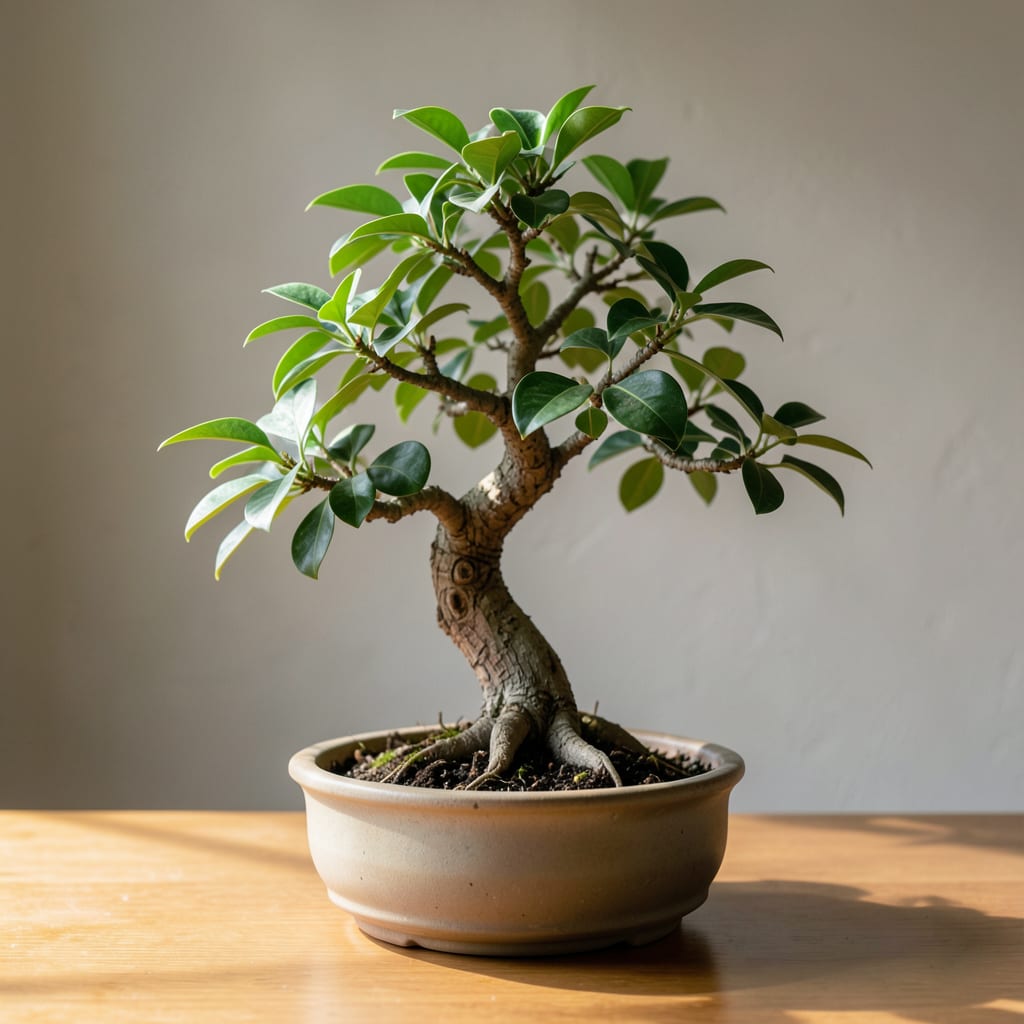
As I care for my Bonsai Tree 🌳, I’ve learned that light is crucial for its health and beauty. Too little or too much can be harmful, so understanding its needs is key.
In this guide, I’ll share what I’ve discovered about the right amount of light for your Bonsai Tree, helping you create the perfect conditions for it to thrive in your home or garden.


Understanding the light requirements of different bonsai species is crucial for their health and growth. Various types of bonsai plants have unique needs based on their natural habitats.
Different bonsai species originate from diverse environments, ranging from tropical forests to temperate zones and desert landscapes. Each environment dictates specific light requirements for optimal growth.
Tropical bonsai species, such as Ficus and Schefflera, require bright, indirect light. They thrive in east- or west-facing windows where they receive 4-6 hours of filtered sunlight 🌞.
Temperate bonsai trees, including Maple and Elm, prefer direct morning sun and partial afternoon shade. This balance helps maintain their health and promotes proper growth 🌱.
Desert bonsai, like Juniper and some Pine species, need full sun exposure. They require 6 or more hours of direct sunlight daily to thrive ☀️.
To meet these light requirements, you can adjust the placement of your bonsai plant according to its species. For example, placing tropical bonsai near an east-facing window can provide the necessary bright, indirect light 🌿.
It’s also important to monitor the light intensity and duration for your bonsai. Using a light meter can help ensure your plant receives the appropriate amount of light 🔍.
Adjusting the light exposure according to the season is another key factor. During summer months, some bonsai may need protection from intense sunlight to prevent leaf scorch 🌻.
In contrast, during winter months, bonsai may require more light due to shorter days. Using grow lights can supplement natural light and maintain optimal conditions ❄️.
By understanding and meeting the specific light needs of your bonsai, you can promote healthy growth and enjoy the beauty of your miniature tree for years to come 🌳.
Regularly observing your bonsai’s response to light and making necessary adjustments will help maintain its health and aesthetic appeal 🔥.
To ensure your bonsai plant thrives, it’s essential to provide the right amount of light. Different species have different light requirements, so understanding these needs is crucial.
I recommend starting by assessing the natural light available in your home or garden. Most bonsai plants prefer bright, indirect light, which can be achieved by placing them near east- or west-facing windows 🌞.
For optimal light, rotate your bonsai plant every 1-2 weeks to ensure even growth and prevent leaning towards the light source 🔄.
If natural light is insufficient, consider using grow lights to supplement the lighting. LED grow lights are a popular choice as they provide the necessary spectrum for plant growth without generating excessive heat 💡.
When using grow lights, maintain a distance of 6-12 inches between the light source and your bonsai. This helps prevent overheating and ensures the plants receive the right intensity of light 🔍.
Adjusting the duration of light exposure is also important. Most bonsai plants benefit from 12-14 hours of light per day. You can use a timer to automate the lighting schedule and maintain consistency ⏰.
Seasonal changes affect the light requirements of your bonsai. During summer, some species may need protection from intense sunlight to prevent leaf scorch. Consider using shear curtains or moving the plant to a shadier location 🌻.
In winter, when days are shorter, your bonsai may require more light. This is where grow lights can be particularly useful, helping to maintain the necessary light levels ❄️.
Regularly monitoring your bonsai’s response to light and making necessary adjustments will help maintain its health and aesthetic appeal. Look for signs such as leaf color and growth patterns to determine if the lighting is optimal 🔥.
By providing the right amount of light and making seasonal adjustments, you can create an ideal environment for your bonsai plant to thrive 🌿.
Understanding the signs of improper lighting is crucial for maintaining your bonsai plant’s health. Both excessive and insufficient light can cause significant damage 🌱.
Too much light can lead to leaf scorch, where leaves become discolored and develop brown patches. This is particularly common in bonsai plants placed in direct sunlight for extended periods ☀️.
On the other hand, too little light can result in weak growth and leggy branches. Bonsai plants that don’t receive enough light may also exhibit pale or yellowing leaves 🌿.
To address lighting issues, you can adjust the placement of your bonsai. If it’s receiving too much light, consider moving it to a spot with filtered sunlight or using a sheer curtain to diffuse the light 🌻.
If your bonsai is not getting enough light, relocating it to a brighter area or supplementing with grow lights can help. LED grow lights are particularly effective as they provide the necessary spectrum without generating excessive heat 💡.
Regularly monitoring your bonsai’s response to light and making necessary adjustments is key to maintaining its health and aesthetic appeal 🔍.
By being aware of the signs of improper lighting and taking corrective action, you can ensure your bonsai plant thrives and continues to be a beautiful addition to your home or garden 🌳.
Adjusting your bonsai’s light exposure according to the season is also important. During summer, some species may need protection from intense sunlight, while in winter, they may require more light due to shorter days ❄️.
By understanding and addressing the light needs of your bonsai, you can promote healthy growth and enjoy the beauty of your miniature tree for years to come 🔥.
Most bonsai plants benefit from 12-14 hours of light per day. You can use a timer to automate the lighting schedule and maintain consistency. This duration helps promote healthy growth and development.
Yes, grow lights can be used to supplement natural light, especially during winter months or in low-light environments. LED grow lights are a popular choice as they provide the necessary spectrum for plant growth without generating excessive heat.
Watch for signs like leaf scorch from too much light or weak growth and leggy branches from insufficient light. Adjust the placement or lighting accordingly to maintain optimal conditions.
Rotate your bonsai plant every 1-2 weeks to ensure even growth and prevent leaning towards the light source. This simple practice helps maintain the plant’s aesthetic appeal.
